
Workshop
Operation Mato Grosso: with 100 Volunteer Missions in Latin America, ‘Anyone Can Take the Opportunity to Help Others’

Operation Mato Grosso is working on over 100 missions across Brazil, Peru, Ecuador, and Bolivia, all rooted in education, hard work, and solidarity. Jacopo Manara, who has been a volunteer for years, tells us their story.
For over half a century the organisation has undertaken exceptional voluntary work in numerous countries across Latin America. Jacopo Manara, who has been a volunteer with Operation Mato Grosso for years, tells us their truly extraordinary story. We would like to thank Jacopo for helping us capture both the essence and details of OMG’s history. Together, we started from the top.
Jacopo, how did it all begin?
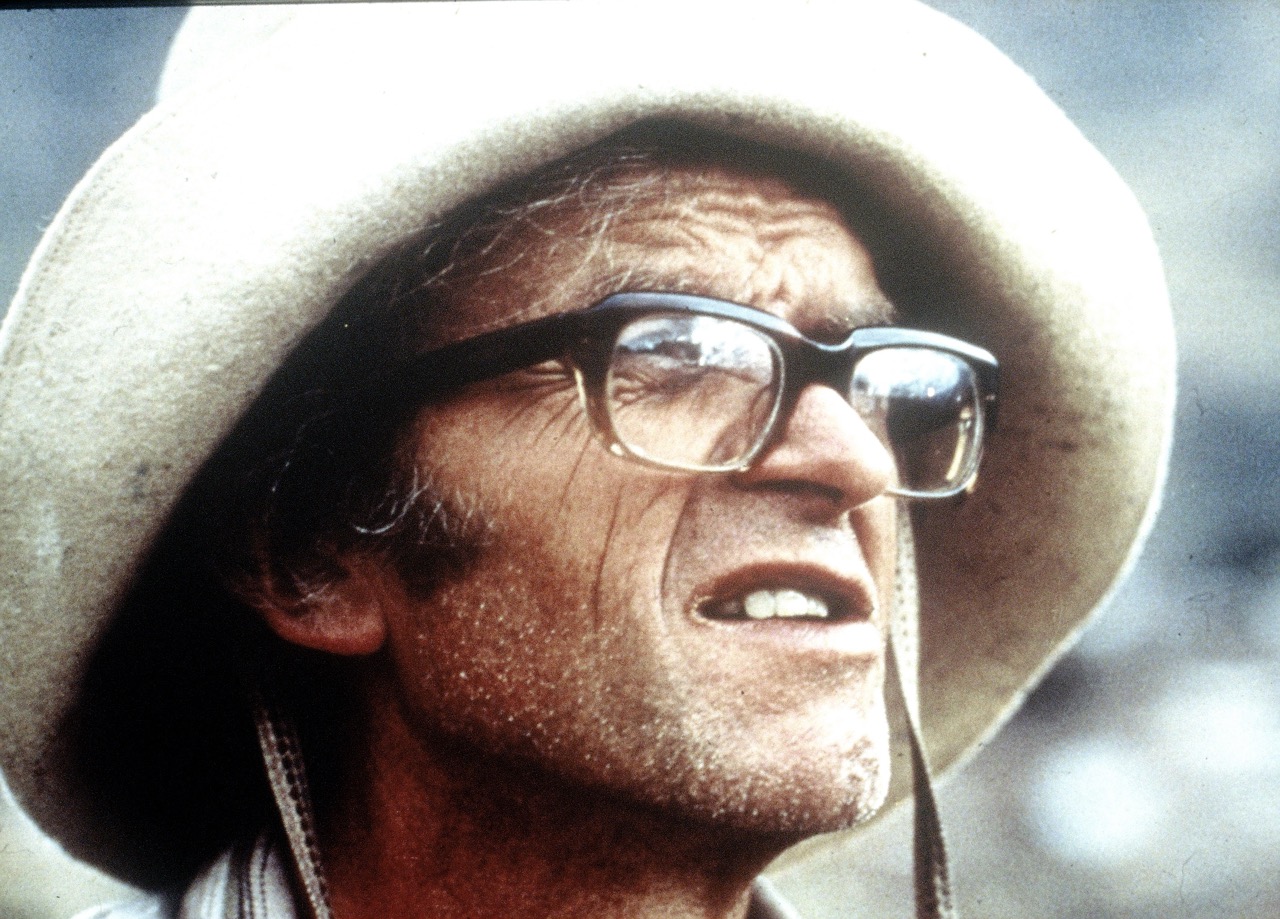
Operation Mato Grosso was born in 1967, without a particular project in mind. That year Father Ugo De Censi, a Salesian priest and the founder of several oratories in northern Italy, suggested a few young people go on an adventure in Poxoréu, Mato Grosso. A friend of his, and fellow priest, was on a mission in the area building houses.
The eve of ’68
It was the start of the youth protests, and Father Ugo realised that religious words were having less of an impact on young people. This prompted the idea of providing something concrete to the poorest people in the heart of Brazil. He would often say that ‘it was like throwing a match into a barrel of petrol’: there was an explosion of enthusiasm.
The spark…
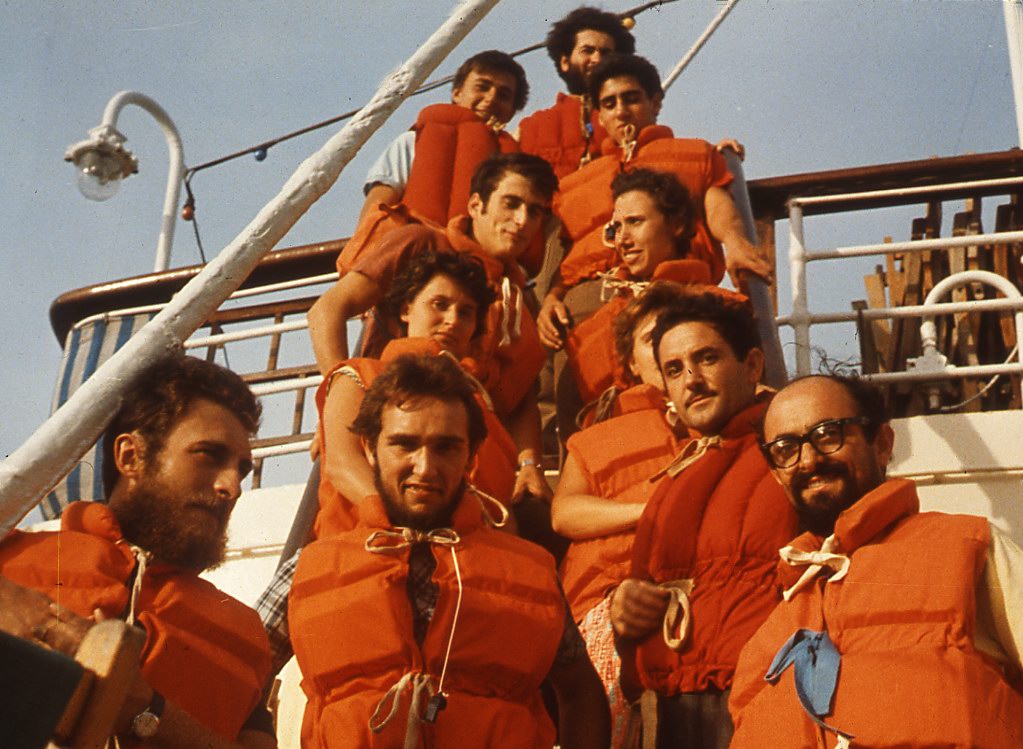
Exactly. It was an adventure in all senses, right from the boat trip the teenagers would take to get there. We are talking about almost sixty years ago. Some stayed to help with other work, and others came back to Italy, having agreed to raise more funds. This small network laid the foundations for the huge network Mato Grosso has today. Those young volunteers became adults, often families, and even elderly people, yet they still dedicate their free time to raising funds for OMG.
What kinds of activities does that involve?
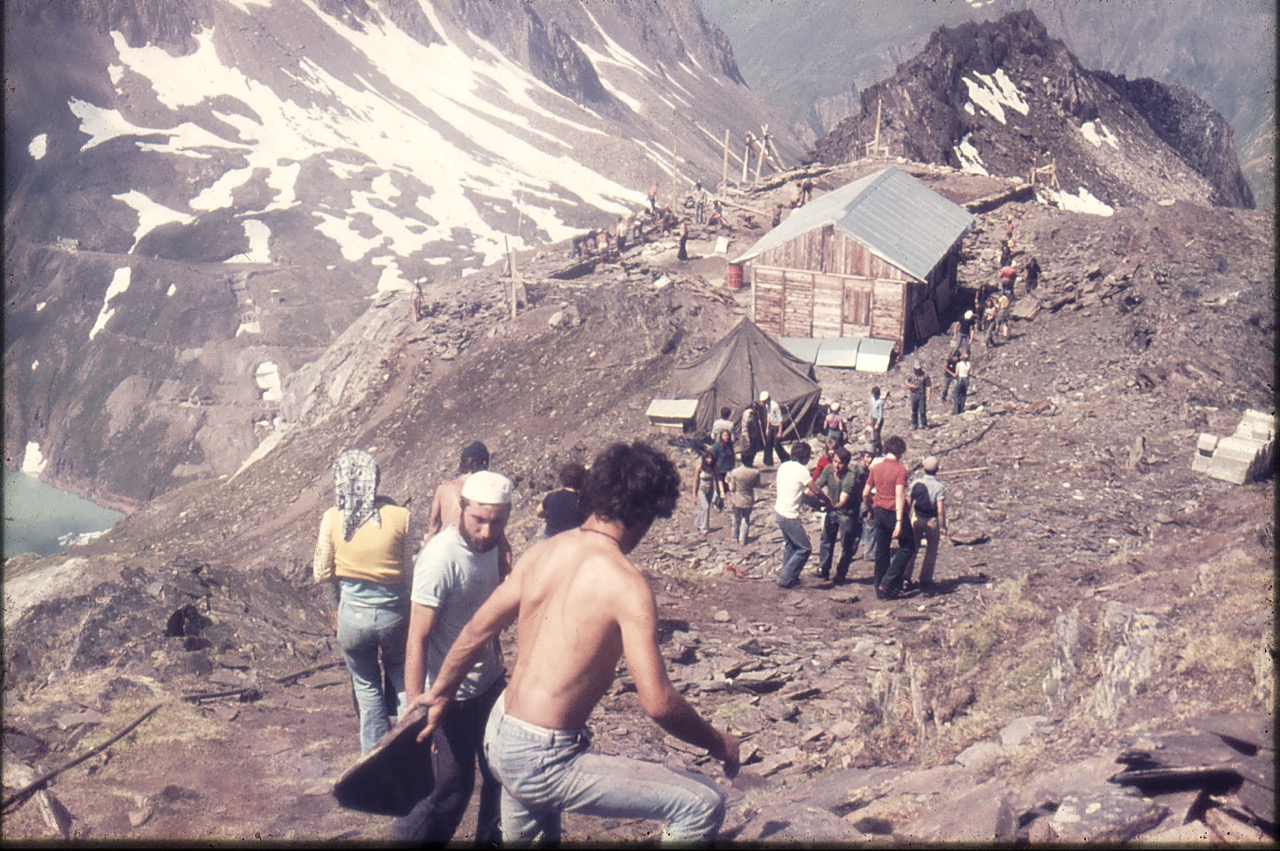
Catering, running shelters, organising flea markets, to name only a few. These activities all exist to raise funds for the organisation’s missions. From constructing homes to entire buildings, OMG is now involved in over 100 missions in South America, scattered across Brazil, Ecuador, Bolivia, and Peru.
Does the organisation still operate under a dual-pillar structure, with one pillar in South America and the other in Italy?
Absolutely. It has just grown a lot. Between priests, laypeople, and families, there are around 300 volunteers on missions, and thousands in Italy. However, the numbers are not very accurate in either case, as Operation Mato Grosso has always chosen not to formally establish itself, wishing to remain a youth movement open to all, where anyone can join, leave, or take part.
How is the work organised?
Young people play a central role both in Italy and in South America, where missions have been rooted in education for decades now: in schools, in the oratories we run, generally in the social work we do.
Do you have any particular stories about the buildings constructed in South America?
I could give so many examples. In Poxoréu we built a school immediately, followed by a kind of infirmary. Now we manage two hospitals: one in Chacas, Peru, and another in Sumbaua, Ecuador. While we are continuing to work on providing healthcare wherever it is needed – especially in the Andes, where people have no access at all – we are also running shelters for the elderly and for people with disabilities and terminal illnesses. Up until the nineties we were also involved in the construction of aqueducts. Now, from that perspective, South American governments appear to be more organised.
What is your relationship with local institutions?
That is a big topic, because each country we work in is different, each has a unique political history. In Peru, over the years, four of our missionaries have been killed. Two in the nineties, which was a turbulent time due to the rise in terrorism. Giulio Rocca, a layperson, and Father Daniele Badiali. They were both targeted because terrorists considered our missionary work numbing the conscience.
I do not think that is accurate…
It was never our intention, which we have demonstrated through our commitment to the educational and formative aspects of our work. We have never discouraged people’s love for earth and for their homelands. In the nineties in Peru, where I myself lived for two years, Father Ugo De Censi became a role model. Even in political spheres, he was regarded very highly, all the way to the top. That has helped us carry out our missions, while in other countries, where he did not live and work directly, it is harder to operate.
Could Father Ugo be considered the founder of Operation Mato Grosso?
He was the spirit, the person who always supported OMG and its young volunteers, keeping track of their progress. But I do not like to describe him as the founder, because our primary focus has always been teamwork. Father Ugo was not the organisational mind, he was the heart.
An influential figure
Absolutely. I remember one particular task that OMG was given directly by the President of Peru, thanks to Father Ugo’s status. We took on one of the largest welfare projects in the capital, Lima: the Puericulturio orphanage, which was originally founded by the state at the beginning of the twentieth century. Father Ugo, in the last year of his life, took on this complex task: the great challenge of facing the reality that, today, there are more than 300 children at the centre, all with stories of homelessness and abandonment.
How is the work organised in Italy?
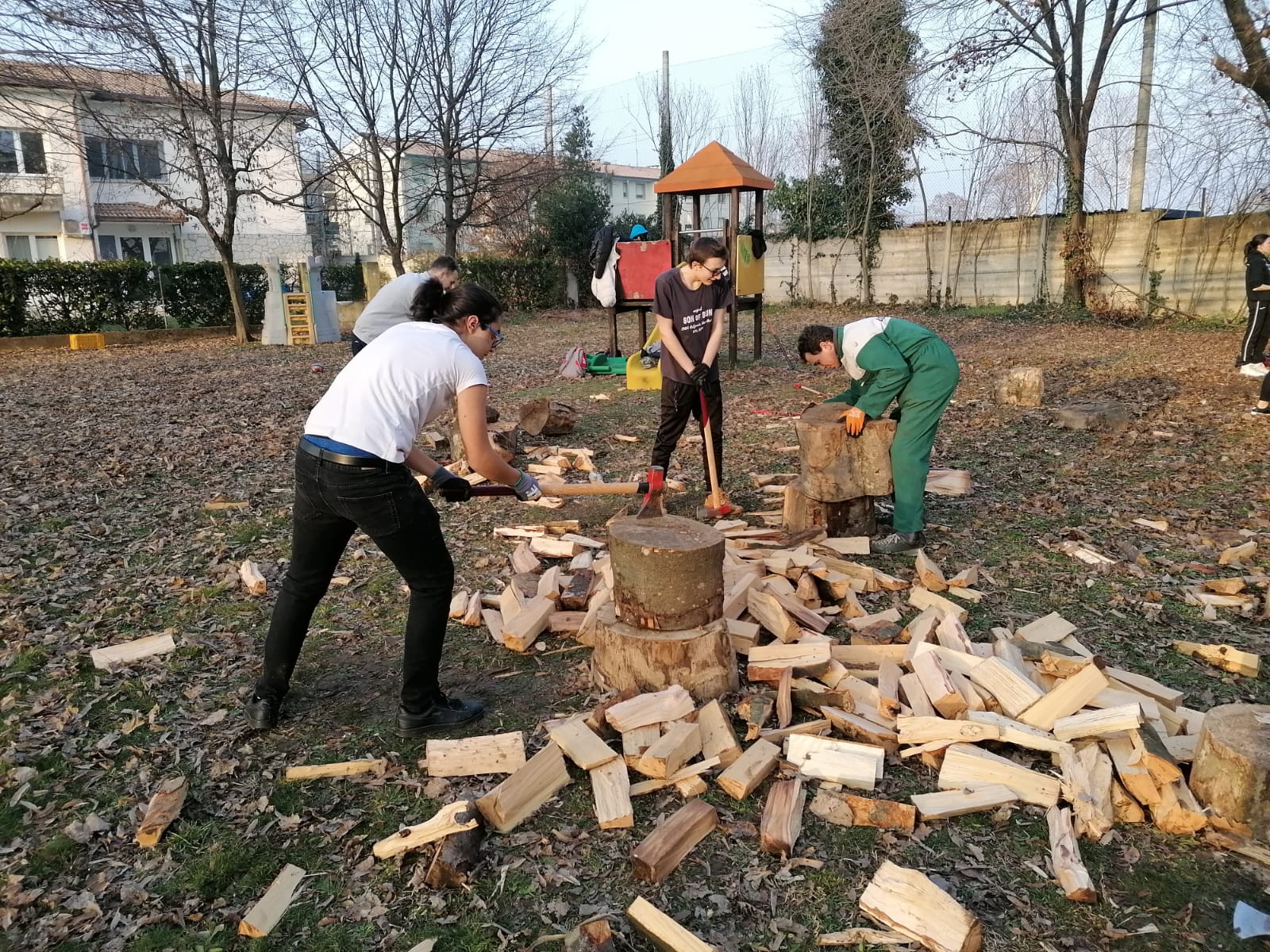
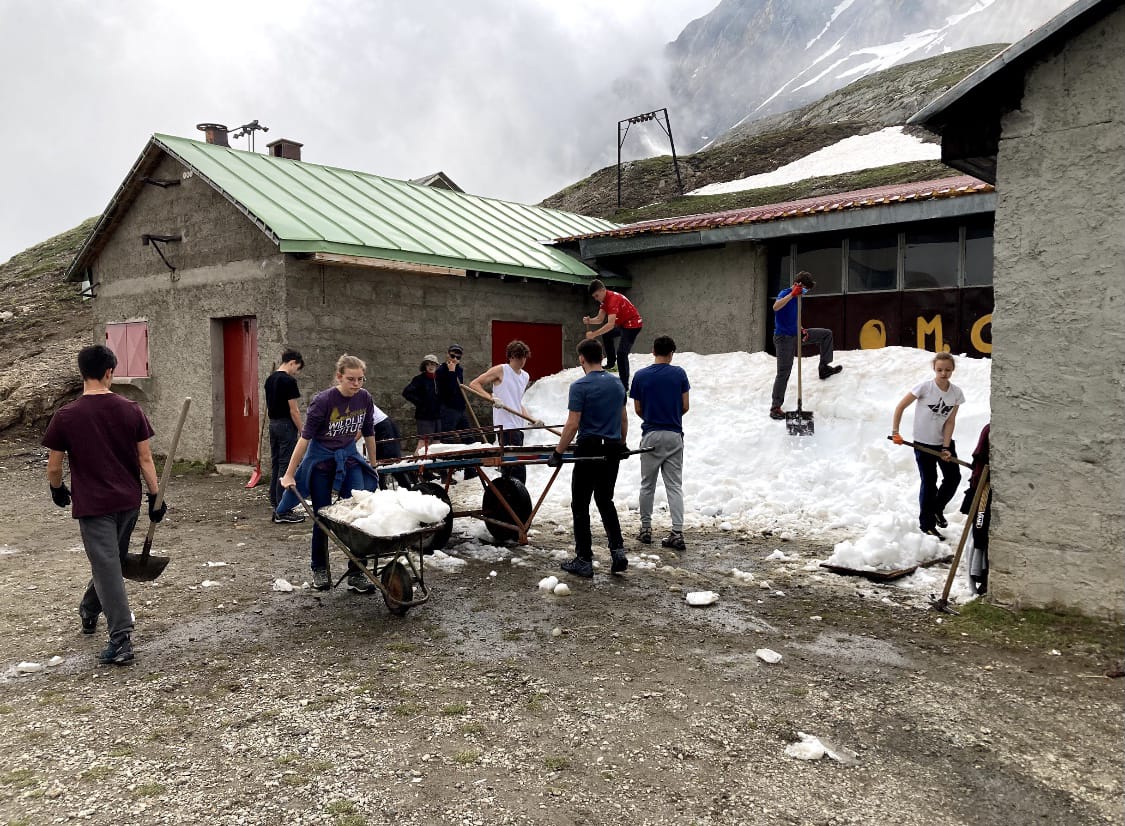
One department – responsible for the catering, flea markets, and shelters – is run by adults. But, important as it may be, this is not the kind of work that draws young people to OMG. For that, we primarily rely on the ‘Mato Grosso groups’, which can be found all over Italy and have around 20 people in each, all between the ages of 15 and 25. These kids come together in their spare time to do all kinds of manual labour: gardening, decorating, clearing out cellars, small house moves. All the proceeds from these simple tasks go to charity. That is the heart of OMG in Italy. Many of those who later go on missions were introduced to the organisation through these groups. The teenagers form relationships – and not superficial ones – founded on shared ideals.
Then they make a choice?
Some choose to go on a mission, some choose to stay in Italy, and, even as adults, some choose to give up their free time to help with the catering, flea markets, or shelters in the Alps – which we manage or, in some cases, even build ourselves. There is never strict separation between teenagers and adults, but exchange, dialogue, synergy.
Then there are places like Lanuvio, near Rome, where you yourself work. Can you tell us about that?
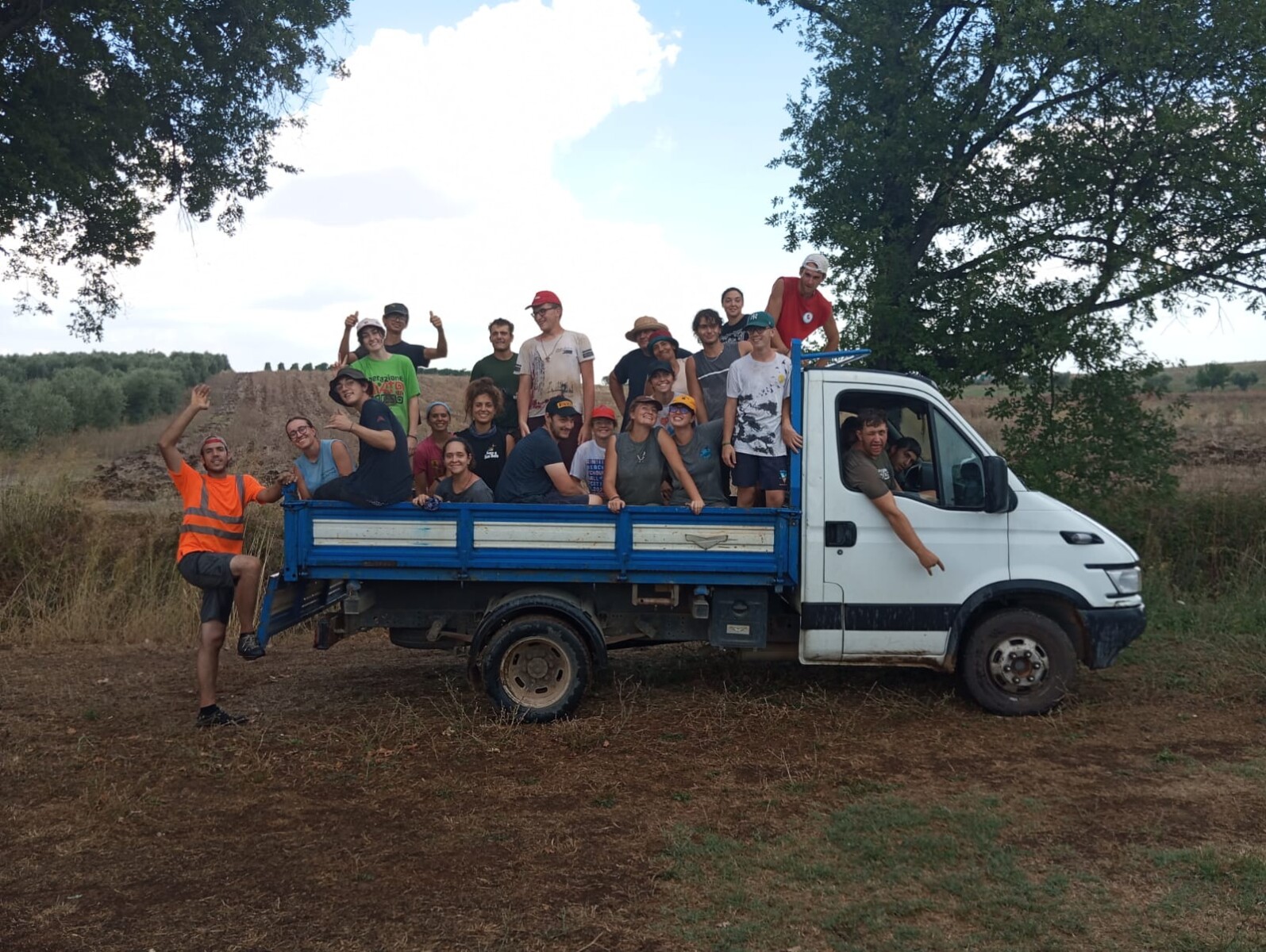
Lanuvio is just like the many other centres in Italy that have been part of OMG’s work over the past decade. We like to call them ‘Service Houses’. Sometimes they are donated by parishes, but in the case of Lanuvio, a private individual who knew OMG personally made the donation. Places in these houses are offered to young people who want to do their part by devoting a chapter of their lives to working full-time on missions. We call it the ‘Year of Service’. Usually we have young people who have just finished secondary school getting involved, taking it as a kind of sabbatical year, spent entirely immersed in community life.
Are all these ‘Houses’ the same?
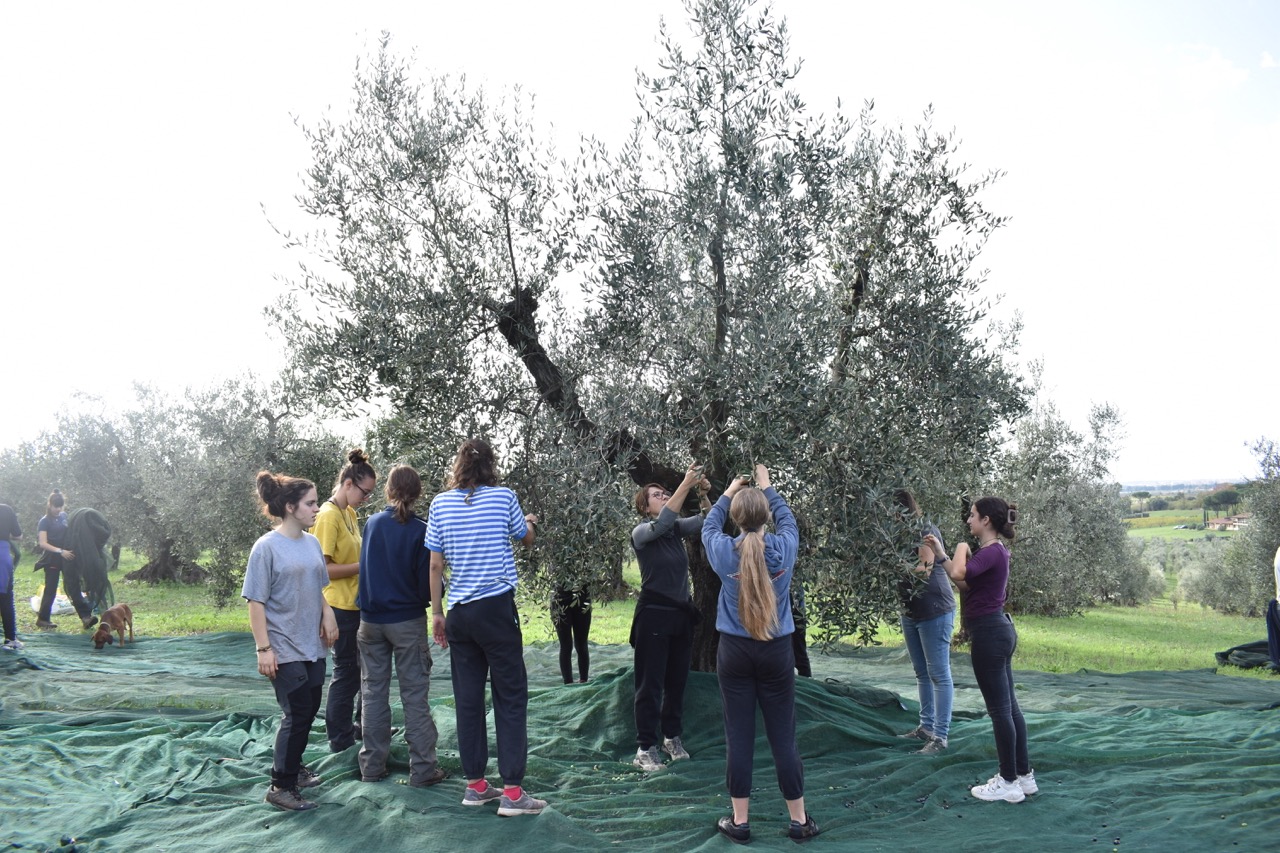
They are all different: some have a priest, who also acts as a spiritual touchstone. My wife and I live in the house in Lanuvio, a beautiful property nestled within a farm, but the real heart is still the teenagers. There are around fifteen now. They can stay the whole year, just part of it, or decide to stay longer. Always while helping others.
What specifically is your role in Lanuvio?
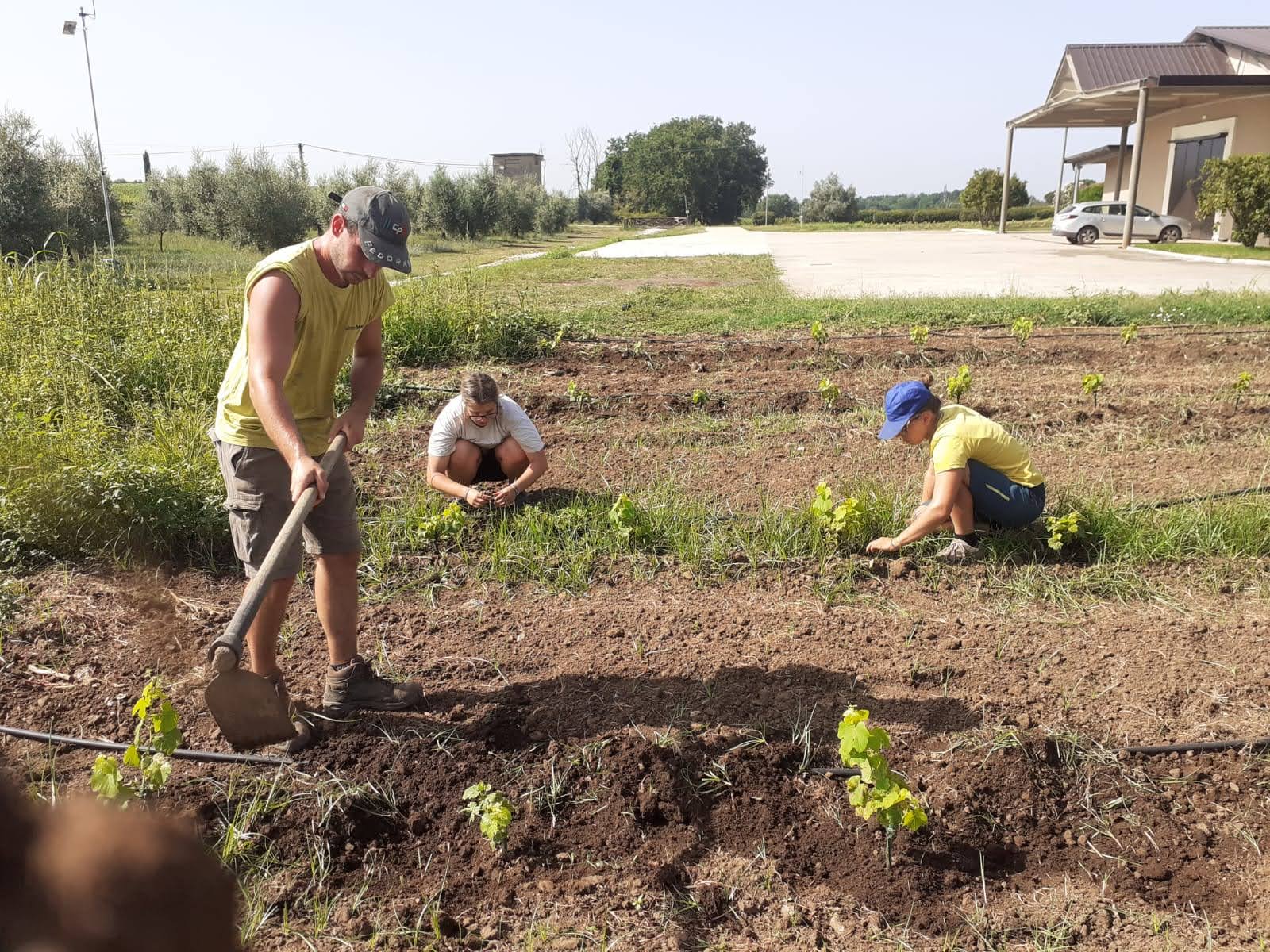
We are responsible for around 100 acres of land, which we do not directly manage, just work on.
How does OMG approach faith, the church, and being Christian? How open is it, on the other hand, to secular solidarity?
Just as we do not have a statute or membership to sign, or rules that are too rigid to stay within – something that has brought me much closer to this experience – we define ourselves as non-denominational. It is a highly debated term at OMG, precisely because everyone interprets it differently. Personally, I see it as: anyone can do good for others. Believer or non-believer, agnostic or atheist. With us, anyone can take the opportunity to get their hands dirty and help others. In order to appeal to young people, especially in Italy, I think it is important to be non-denominational.
Which does not preclude spirituality, I suppose…
A path opens up from there, and Father Ugo has certainly planted a seed of spirituality in OMG’s story. Non-denominationalism does not mean indifference to religion. The further you go on your journey, the more you need the truth, and the path to finding that can also be spiritual.
What is your relationship with Italian institutions? Are you recognised for the great work you do?
Given our long history, there has been some recognition and support. For example, in Chacas, Peru – where Father Ugo was involved in many projects – there is the story of the immense hydroelectric power plant. Thanks to the help we received from the Italian government and Enel, we were able to bring energy through cables and pylons to neighbouring villages in the Andes.
In Italy?
We have very good relationships with many institutions here as well, but it is all a bit more complicated. It is quite challenging to work with young people and volunteers, given the complexity of current laws and bureaucratic, administrative, legal, and insurance issues. Occupational safety is fundamental, of course, but getting everything in order, especially in relation to volunteering, requires a lot of energy.
Can we view them as new challenges in a growing movement?
They are necessary challenges that we cannot avoid. There are a number of people within OMG who take these tasks on professionally and proficiently, despite being volunteers. I thank them, because it is a very different – yet complementary – way of doing missionary work. In my opinion, it is the most complicated work, and so I am grateful for their service.
To conclude, could we say that OMG’s highly curated educational approach, which has already been established in South America, also exists in Italy, in the form of youth training?
I think the educational work we do on our missions is becoming increasingly similar to the work we do in Italy. The poverty we see in South America is increasingly moral, social, and ethical: a very similar crisis to what we are seeing in Italy. Poverty is becoming an increasingly prevalent issue in both places.
Article translated into English by Becca Webley
Related news
 ‘Victories in the field of human rights happen when people at the bottom mobilise’; interview with Riccardo Noury from Amnesty International
 ‘I met people with whom I formed a bond that goes beyond distance’ – Meeting Lorenza Mancini, a Volunteer at MilONGa
 MediterArtFestival2025: Art as a Bridge Between Cultures Across the Mediterranean
Top stories
 Historic Crisis of Violence in Mexico: ‘Synergy for Peace’ as a Collective Response
 The Med25 Bel Espoir’s Journey: Eight Months and Two Hundred Young People in Mediterranean Waters
 ‘Sound of Freedom’ – Not turning the back on evil