
Workshop
School of Interfaith Dialogue 2025: ‘It Is Not Just Theory, but a Way of Life Capable of Transforming Society’

By United World Communities
Bringing together people of different faiths and cultures, the School of Interfaith Dialogue 2025 sparked a message of hope: only dialogue can transform the world into a shared home for all humankind.
The Community of Dialogue and Interculturality during Genfest 2024 left many young people with an indelible mark, after experiencing an authentic encounter with the other – specifically, with people of different faiths. In this atmosphere of trust and friendship, these young people developed a desire to continue on this path.
On 19, 20, and 21 September 2025, at Mariapolis Ginetta (São Paolo, Brazil), this desire materialised with the School of Interfaith Dialogue for Young People. The theme was ‘Unity of God and Unity in God: a path of encounter and listening’.
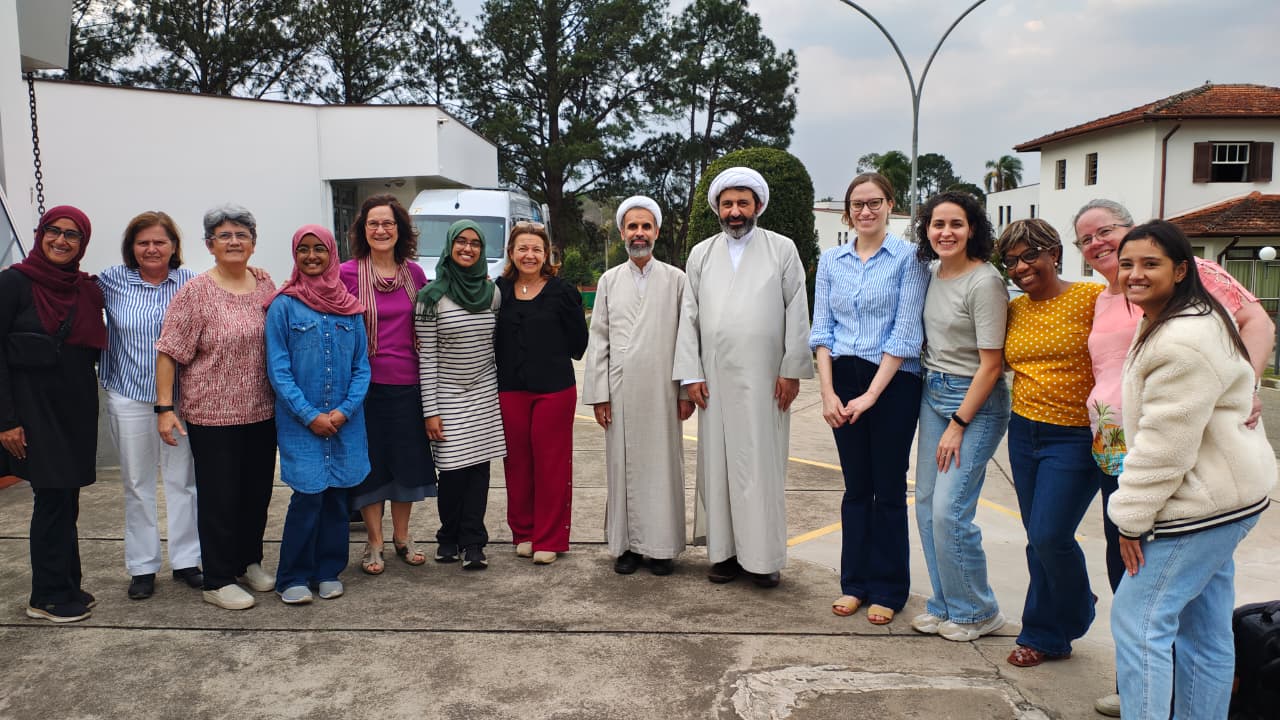
The meeting was organised by the Focolare Movement and the Ali dell’Unità group, who are together celebrating nine years of dialogue between Muslims and Catholics.
Around 50 people attended, both children and adults, among whom were Dr Mohammad Ali Shomali and his delegation of eleven. Shomali is an internationally renowned philosopher, founder of the International Institute of Islamic Studies and the Risalat International Institute, and a strong advocate of interfaith dialogue.
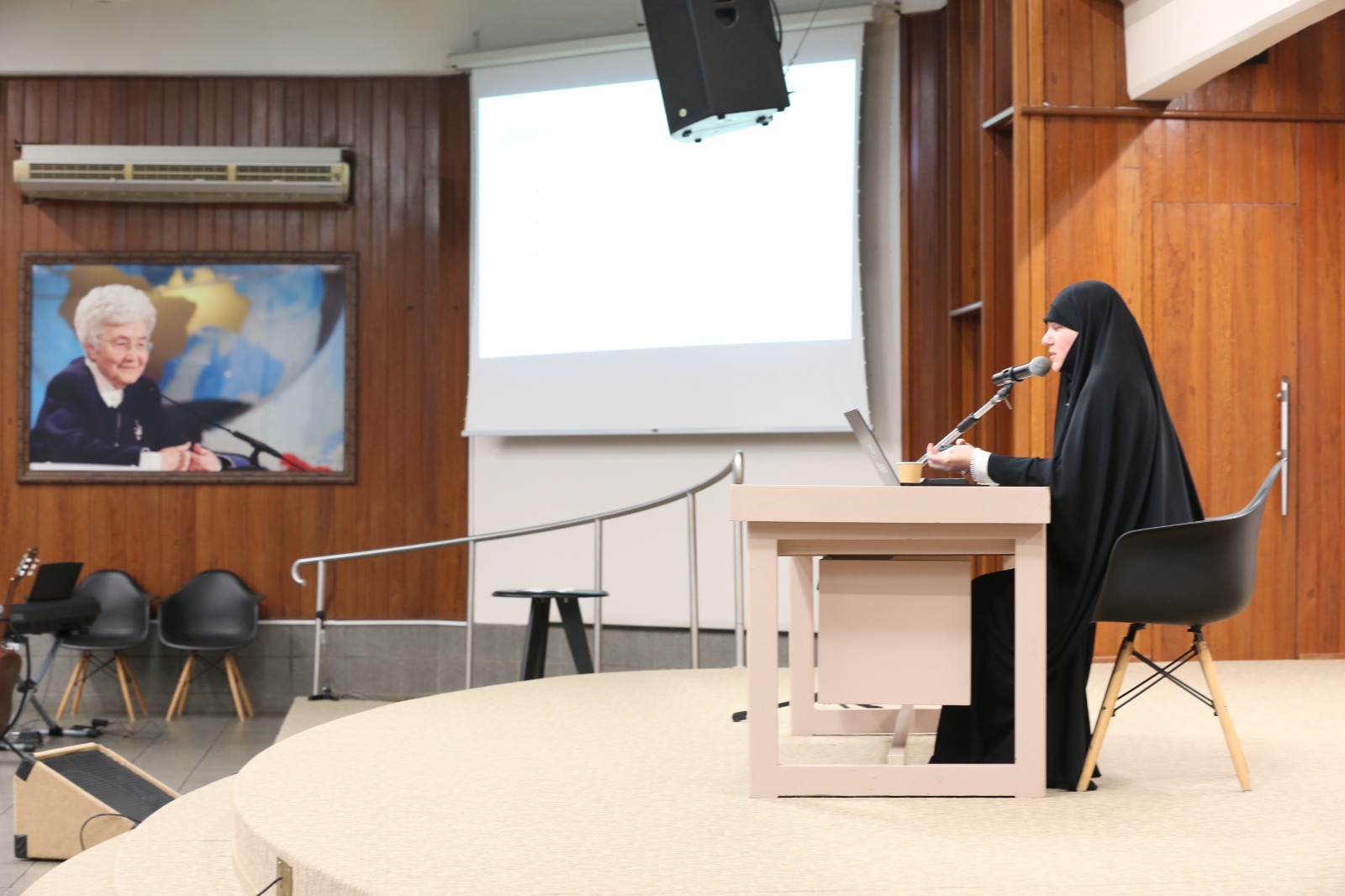
Various guests and speakers also took part in the meeting, all of whom enriched the dialogue by offering their own unique perspectives. Among those in attendance was Israa Safieddine, educational consultant for Islamic teaching; Mgr José Bizon, point person for ecumenism and interfaith dialogue at the Archdiocese of São Paulo; Prof. Atilla Kus, general secretary of the Islamic Centre and the Centre for Interfaith Dialogue; and Prof. Bennie Callebaut, full professor at the Sophia University Institute and editor in chief of the international journal New Humanity.
At the School we studied religions and spirituality, took part in discussions, and experienced community living and typical prayers from every tradition.
We tackled subjects such as the spirituality of unity; introduction to Islam; the Document on Human Fraternity, signed by Pope Francis and the Grand Imam of al-Azhar, Ahmed el-Tayeb; and the Nostra Aetate declaration, which this year celebrated the sixtieth anniversary of its promulgation in the Second Vatican Council.
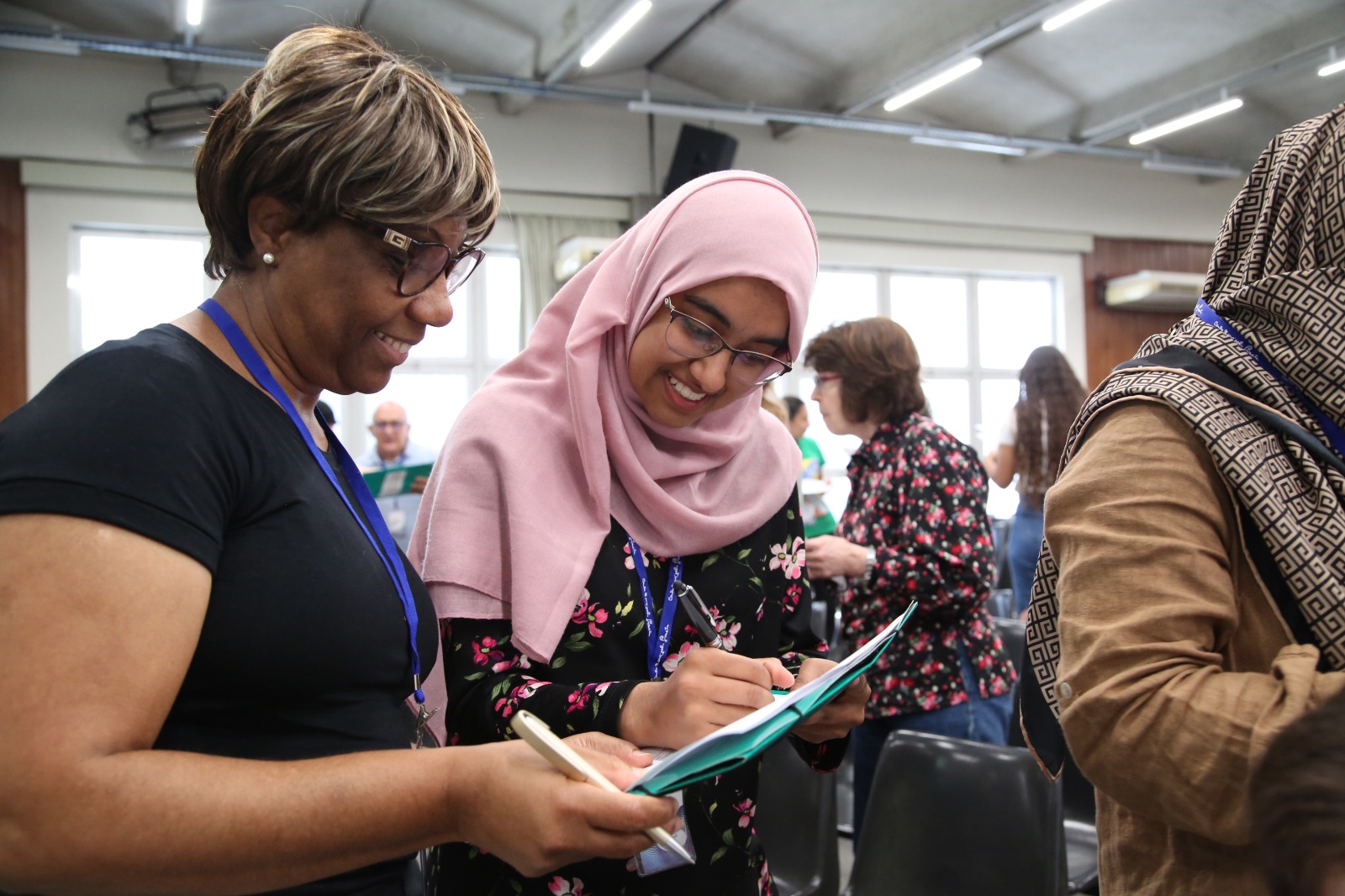
Following the appointment of new ambassadors for peace, we have also become familiar with the Ali dell’Unità – Wings of Unity – project, as well as initiatives like Living Peace and Interfaith Dice of Peace.
The spontaneous sharing at the three-day event demonstrated that, despite our differences, we have common ground in our faith, hope, and search for God, which we all experience with simplicity and joy. During the School, we strongly felt the presence of God between us, and grew through listening, mutual respect for our different traditions, and recognising what unites us.
In the end we developed a desire, together, to write a manifesto for peace, especially for war-torn countries, and more specifically for the conflict in Gaza. We wanted to reaffirm our commitment to remain faithful to the call to be builders of dialogue, peace, and unity.
The experience truly enabled us to recognise the fact that, at our core, we are one family in God – and that interfaith dialogue is not just theory, but a way of life capable of transforming relationships and society as a whole.
Article translated into English by Becca Webley