
Workshop
In Nairobi: Young ‘Peace Influencers’
By Daniela Ropelato, Mario Bruno
From Nairobi, at the heart of Africa—a continent of 54 rapidly growing nations, where people under 30 account for about 70% of the population—comes a comprehensive proposal for global engagement. It positions younger generations to lead transformative processes, guided by a humanistic, community-oriented vision grounded in reciprocity and shared responsibility.
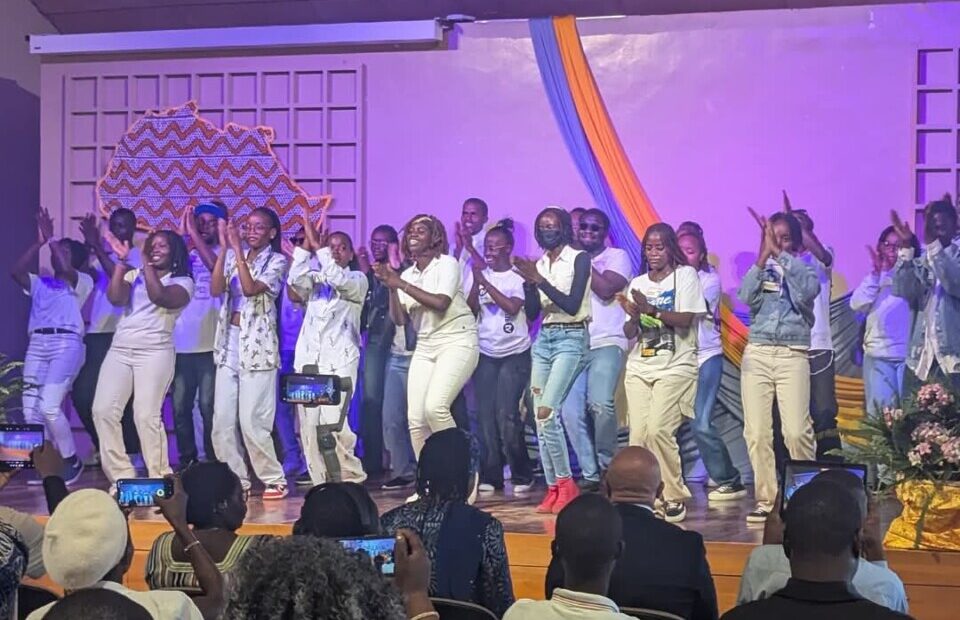
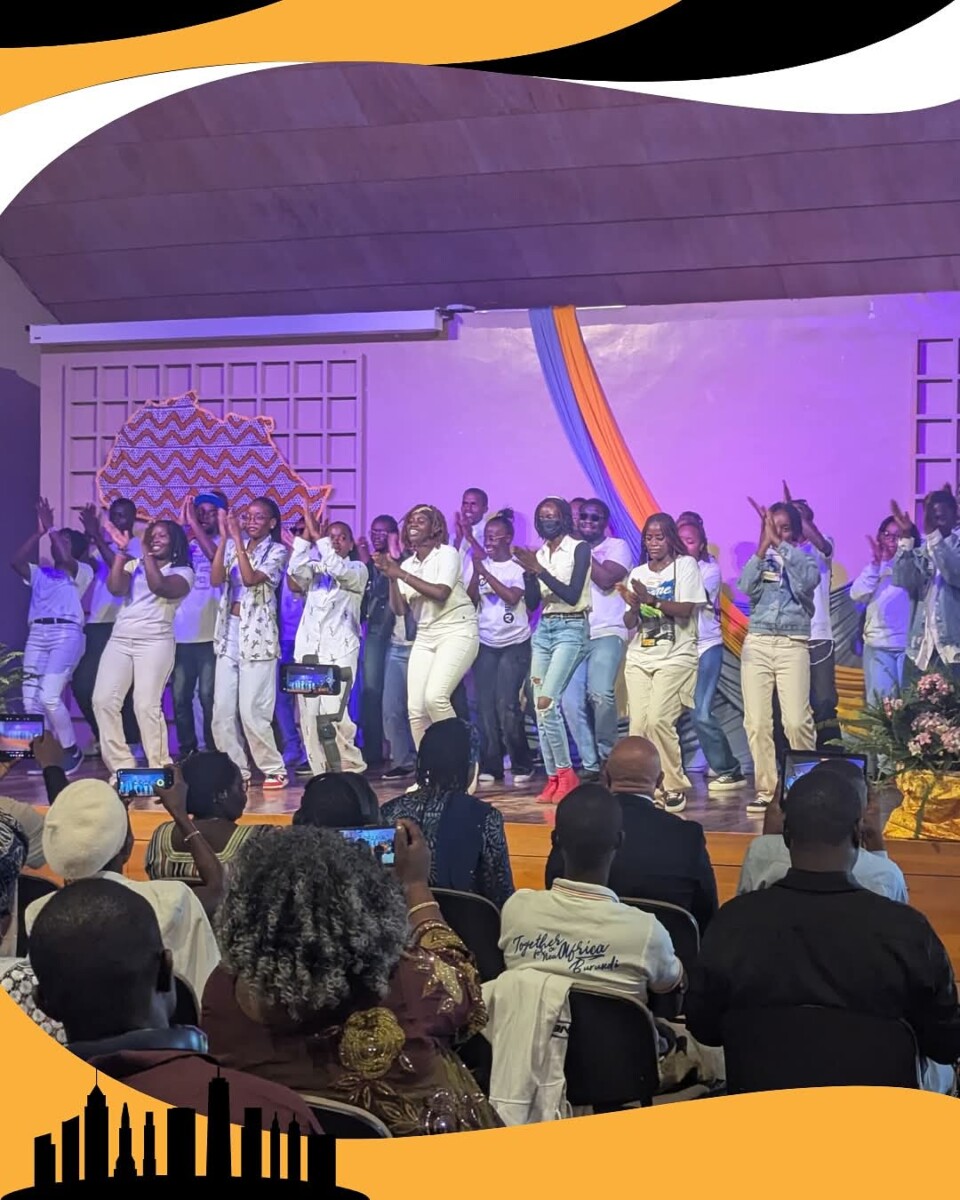
Nairobi, Kenya – 10–12 November 2025. The final act of the international conference “Cities, Communities, Care. Youth in Action for Sustaining Peace” was the approval—at the Mariapoli Piero auditorium, which hosted the event—of the “Charter of Commitments Nairobi 2025”. The document not only sets out a series of strong appeals but also outlines the commitments made by young people from Africa and around the world, whether attending in person or online, developed through a structured participatory process that brought together their reflections and exchanges.
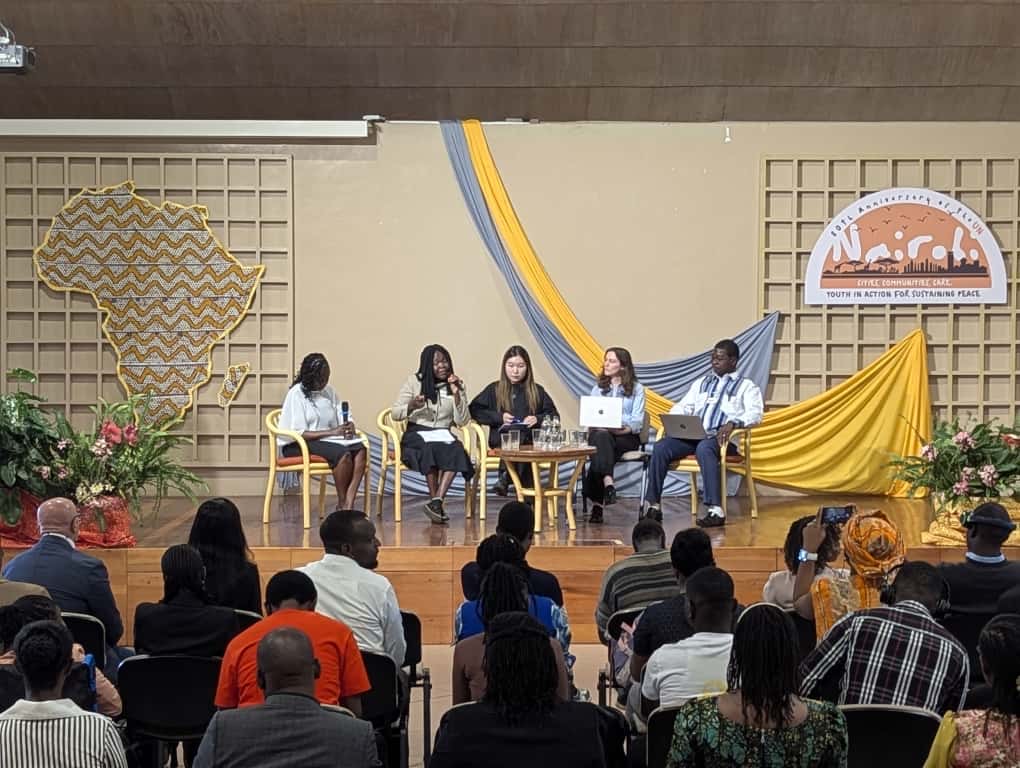
Promoted by New Humanity, the NGO of the Focolare Movement, as part of the UN’s 80th anniversary, the initiative required over a year of reflection and operational planning. It took on the challenge of focusing on the complex ecosystems of contemporary cities, where many of today’s most pressing global issues converge under the urgent horizon of peace. The outcome included eight roundtables, more than thirty speakers, and eight live or pre-recorded connections with cities across five continents. Giving priority to dialogue with young people, the conference drew on testimonies and in-depth contributions to explore urban growth and co-governance, development and environmental care, and the building of peace as safeguarded today by the United Nations system.
Numerous organizations joined the initiative, including Greening Africa Together, Living Peace International, the Africa Interfaith Youth Network, the International Sociological Association (Thematic Group on Solidarity and Social Love), Laudato Si’ Movement Africa, and the ASCES University Center in Caruaru, Brazil. “Working in synergy was one of the most interesting aspects of our work, and we feel the experiment was a success,” said Catalina Hinojosa, a young Ecuadorian and vice president of New Humanity.
At a time when, in many political decision-making arenas, nationalism is not just a strategy but a worldview; it was far from certain that the initiative would achieve its goals. How, for example, should the UN’s 80th anniversary be addressed? The assembly reaffirmed its grounding in international law while also calling for an institutional framework capable of meeting the peoples’ demand for peace—rooted in a vision of humanity and the planet that takes precedence over individual interests and positions. This entails bottom-up multilateralism, shared responsibility among continental institutions, and dialogue at all costs.
Throughout the sessions and working groups, it was the young participants who assumed the role of change-makers and “peace influencers.” They called for urban models to be integrated with the values of a genuinely community-based social life, which in Africa, for example, is reflected in the life of village communities. They envisioned community, educational, social, and artistic programs, as well as youth entrepreneurship initiatives. Above all, they asked to be allowed to lead the transformation toward a sustainable, reconciled planet, supported by borderless networks. They emphasized that this vision can be realized “by creating permanent mechanisms for collaboration—both local and international—and ensuring that young people are involved in decision-making processes.”
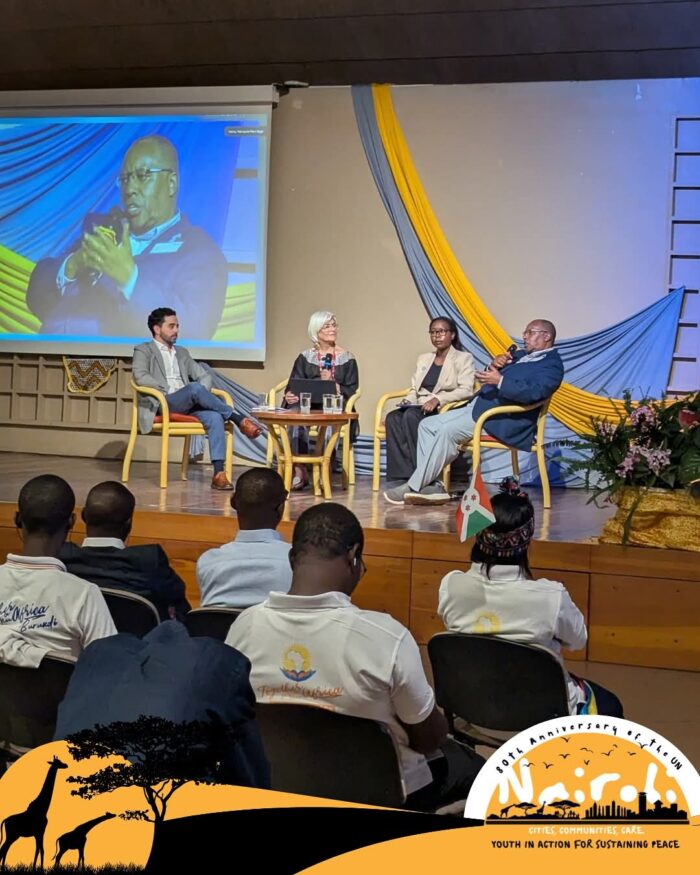
The conference was opened with video messages from Felipe Paullier, Assistant to the UN Secretary-General for Youth, and Margaret Karram, President of the Focolare Movement. Paullier, after noting that Nairobi is one of the UN’s three main regional offices, stated that “every war is a defeat for humanity, a failure of dialogue and compassion. Young people are not only victims of today’s crises: they are creators, leaders, and peacebuilders.” He emphasized that more than two billion young people are “ready to be equal partners in building our shared future.” A clear message for everyone: by relying on a generation that “resists hatred, rejects indifference, and chooses peace as a daily responsibility,” cities and communities can be strengthened, because it is “in neighborhoods, schools, places of worship, and local communities that cooperation becomes tangible.”
To highlight the urgent shift called for by the conference, Margaret Karram recalled the decade-long initiative to foster communion-based leadership, launched by the Sophia University Institute and the Political Movement for Unity through the program “Together for a New Africa.” In its latest three-year cycle, the program engaged 140 young people from 14 African countries, together with tutors and instructors, who in the days preceding the conference held their annual Summer School in a hybrid format to review and discuss the outcomes of their local actions. Karram also mentioned the program “One Humanity, One Planet: Synodal Leadership,” which has for the past year brought together 150 young people from 60 countries, active in politics and civil society. These are young people “who are training and working to implement good policies and create social impact, guided by a vision of solidarity inspired by the culture of unity.”
These perspectives define the commitment of the entire Focolare Movement, which “culminated in the Together To Care document, delivered to the UN a year ago,” explained the president, “drawing on initiatives like Living Peace, which involves over 2 million young people worldwide,” and, together with “AMU, with nearly 900 cooperation projects, demonstrates a concrete and widespread commitment.” Within this framework, she appreciated the effort “to design a shared path for redefining urban life, enhancing and strengthening social bonds,” adding, “How much African cultures can teach us about this important aspect.”
She also delivered a strong call to rediscover, at the heart of cities, “communities of solidarity and reconciliation,” “imperceptible to the human eye”: “Invisible cities that, in their small daily actions, help build a global network of peace and show that another world is possible.” Finally, she highlighted the idea of reciprocity as a key to change, recalling how Chiara Lubich had already emphasized it in 1997 during a seminar at the UN Headquarters in New York: “Reciprocity,” she concluded, “is a goal that can bring us closer, help us grow, and can become reality when we take the first step toward another person—whoever they are and whatever their beliefs—in order to understand their reasons, seek a connection, and establish a relationship.”
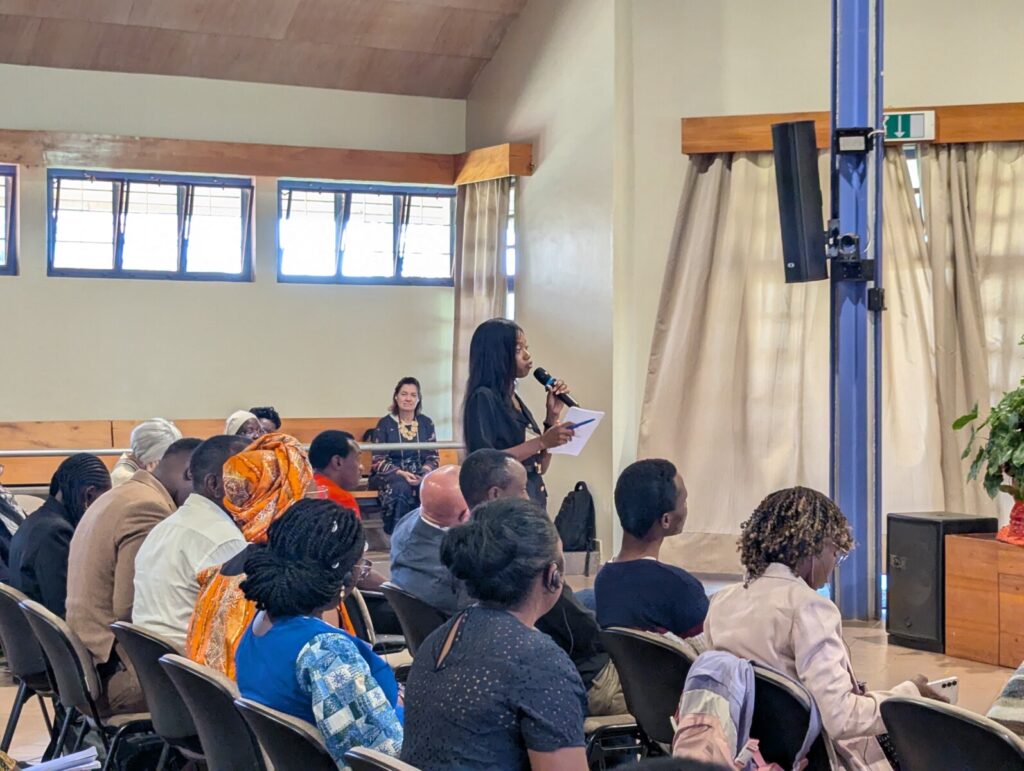
Among the speakers, Christelle Lahoud from UN-Habitat in Nairobi highlighted that in Africa—the youngest continent, experiencing rapid urbanization—we are facing both an urgent challenge and a major opportunity. “Peacebuilding is strengthened when young people have a seat at every decision-making table,” she stated. “Inequalities are growing; today, more than 120 million people worldwide have been forced to leave their homes—the highest number ever recorded. Floods, extreme heat, and environmental deficits are pushing people into already overstretched urban areas.” This pressure increases competition for resources and undermines social inclusion. Her message was clear: “Peacebuilding does not progress by isolating young people at a youth-only table; rather, it is strengthened when young people have a place at every table.” Young people, Lahoud continued, “assess risks, gather data, influence local budgets, and redesign neglected areas, transforming them into spaces for connection and inclusion. Through participatory governance, they work alongside mayors and local authorities to create safe and inclusive urban spaces.”
Once again, it is a matter of changing the narrative—a significant choice that can act as a catalyst. In this direction, citizen groups of different ages and social backgrounds, from cities of varying sizes—including Manila, Kinshasa, Medellín, Beirut, Koper, Trento, Bethlehem, and Pajule—shared their experiences. Beyond enhancing the international dimension of the event, they were able to highlight the potential of conscious collaboration between civil society and institutions. Among the many testimonies were those of Agnes Aloyotoo, a young candidate in the upcoming elections in Uganda, and Jonathan Masuta, who chairs one of the youth federations of the African Union: the new generations are not waiting; their action is happening now.
After all, this is what has happened countless times when young people have stood up and spoken out. Their ideals are the reality of the future. From schools to universities, they have repeatedly prepared and shaped change, even driving political turning points.
For all these reasons, Nairobi has set off again with renewed determination, full of ideas and tangible actions. Not by chance, the title of the final session was: “Moving Forward: Alliances, Tools, Networks.” The wisdom of African cultures guides us along the paths ahead: “If you want to go fast, go alone. If you want to go far, go together.

Related news



Top stories
 Historic Crisis of Violence in Mexico: ‘Synergy for Peace’ as a Collective Response
 The Med25 Bel Espoir’s Journey: Eight Months and Two Hundred Young People in Mediterranean Waters
 Young African Leadership: The T4NA Project to Strengthen Democracy on the Continent