

 EN
EN
Newsletter Editorial 21-2026
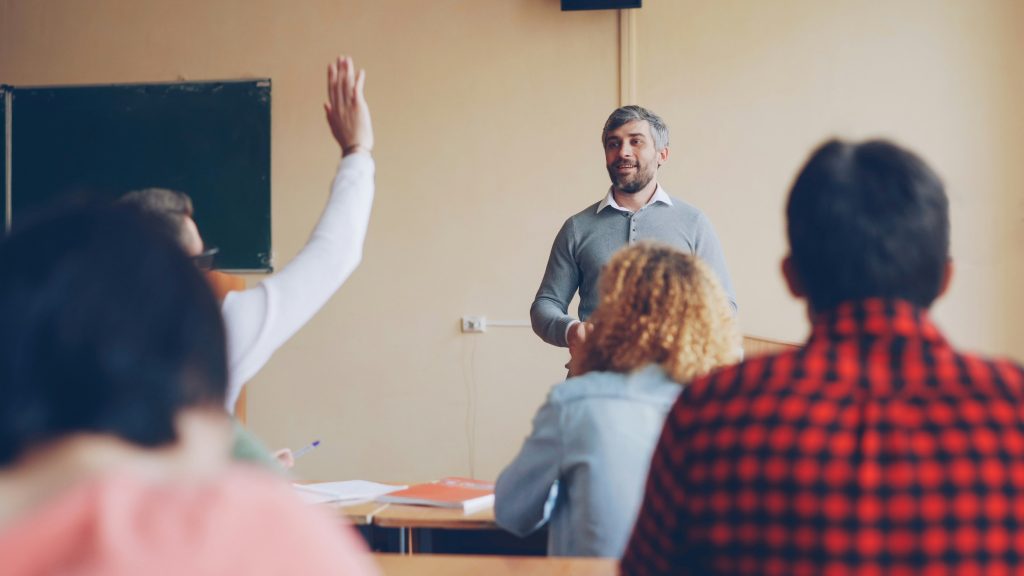
Education and peace: allies for the good of the world
There is no instant, day, week, month, or year at United World Project in which work is not carried out for peace in a comprehensive way. Even in the month of March, dedicated to the theme of education and research, the word peace is closely connected with these two concepts.
Education for peace is at the heart of the interview conducted by Mariela Torrioba Hennigen with Lisiane Mazzurana, a student who, in her doctoral research project, worked on teaching peace in schools: she reflected on how to make this possible and on what kind of training is necessary for the teachers who are meant to implement it. The study carried out by the researcher uses the Living Peace International project as its main element of analysis, and the dialogue between Mariela and Lisiane in the interview is truly engaging.
Peace is also central to a second interview conducted in March on the theme of education, featuring Anna Granata, a professor of Pedagogy at the Department of Human Sciences at the University of Milano Bicocca. With her notable experience in issues of cultural, social, and gender diversity as educational resources, as well as in equity and creativity in education, Anna Granata provides numerous outstanding insights to reflect on the relationship between school and peace. Her interview is truly valuable.
Then there is the interview with the comic artist, painter, and prominent figure in superhero art, Gabriele Dell’Otto. In the powerful testimony he shared, he spoke about superheroes as figures through which to work on peace—from Spider-Man to Iron Man, from Captain America to Superman, also drawing on the great lesson of Dante Alighieri.
The article “Education and Social Change: Three Projects Where the Street and Academia Meet” analyzes three interesting projects: one in Italy, Doposcuola Romero; one in Colombia, the University of the Street; and the third, Exploring Polarities, in the Netherlands. All three, in their own way, can be seen as practical tools for overcoming polarization, breaking down walls, and building shared responsibility: three actions that are certainly essential for building peace.
Peace is built through dialogue. For this reason, United World Project launches #ChooseToDialogue: the global invitation for United World Week 2026. It is a proposal to create spaces for encounter and to share impactful stories through a powerful and necessary tool: dialogue.