

 EN
EN
How Toronto lives the World Cup: culture, identity and politics beyond the pitch
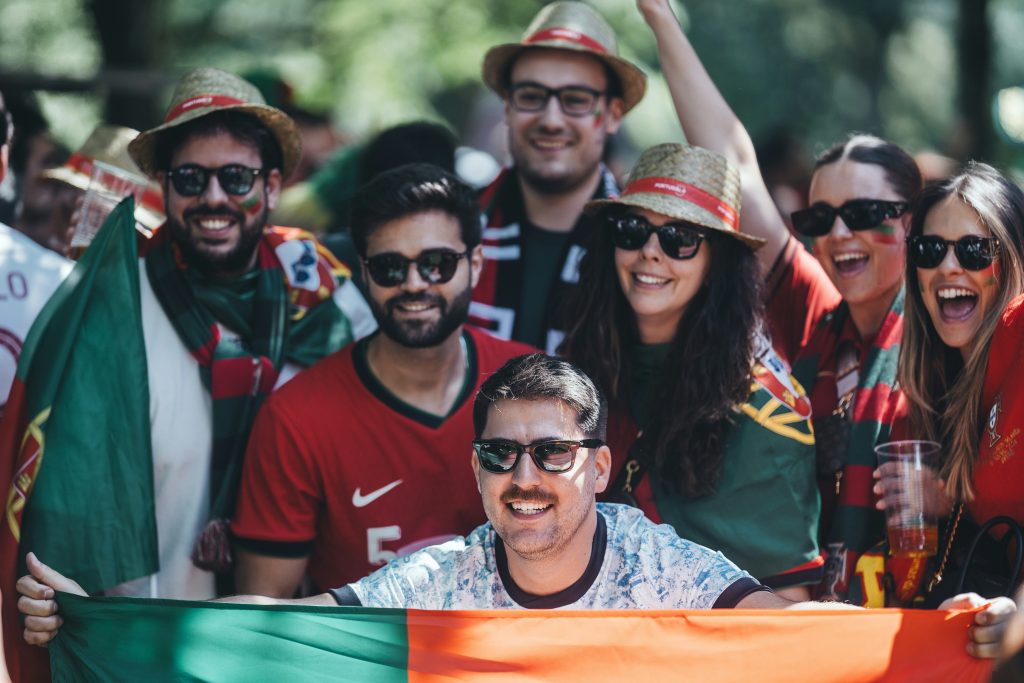
From Cape Verde’s dreams to Iran’s realities, Toronto lives the World Cup through its multicultural diaspora. Diverse local voices share how this sports spectacle intersects with their own roots, identity, and politics far beyond the pitch.
Football (or soccer) has been on the world stage for the past weeks. The 2026 FIFA World Cup was hosted across the United States, Mexico, and Canada. With only a week left in the tournament and the final match nearing on July 19, people from different countries each lived this sports spectacle in their own way.
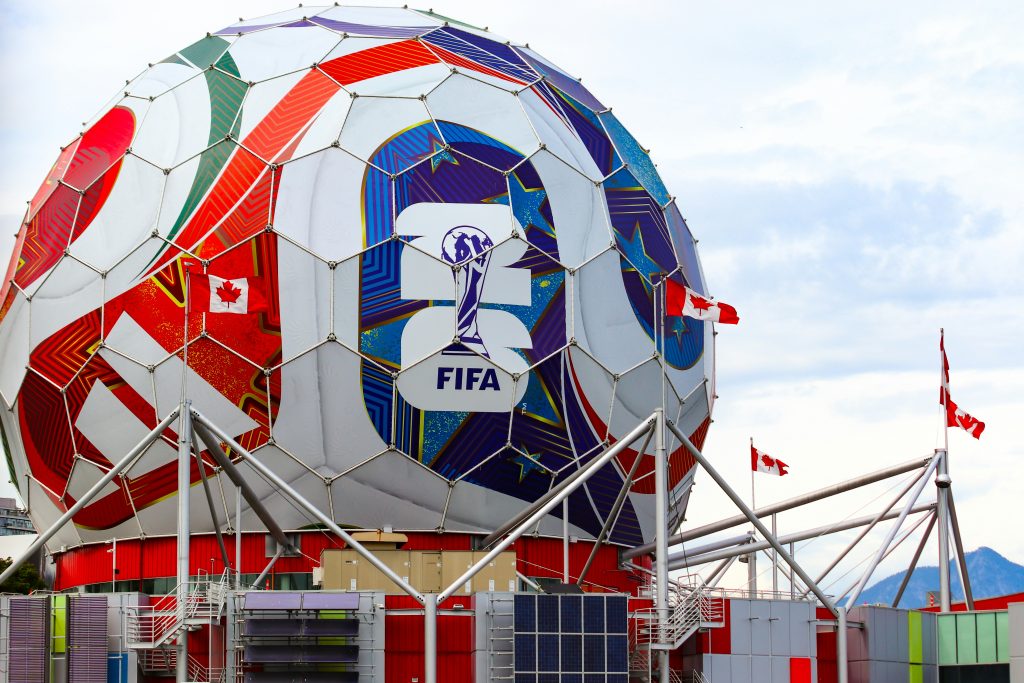
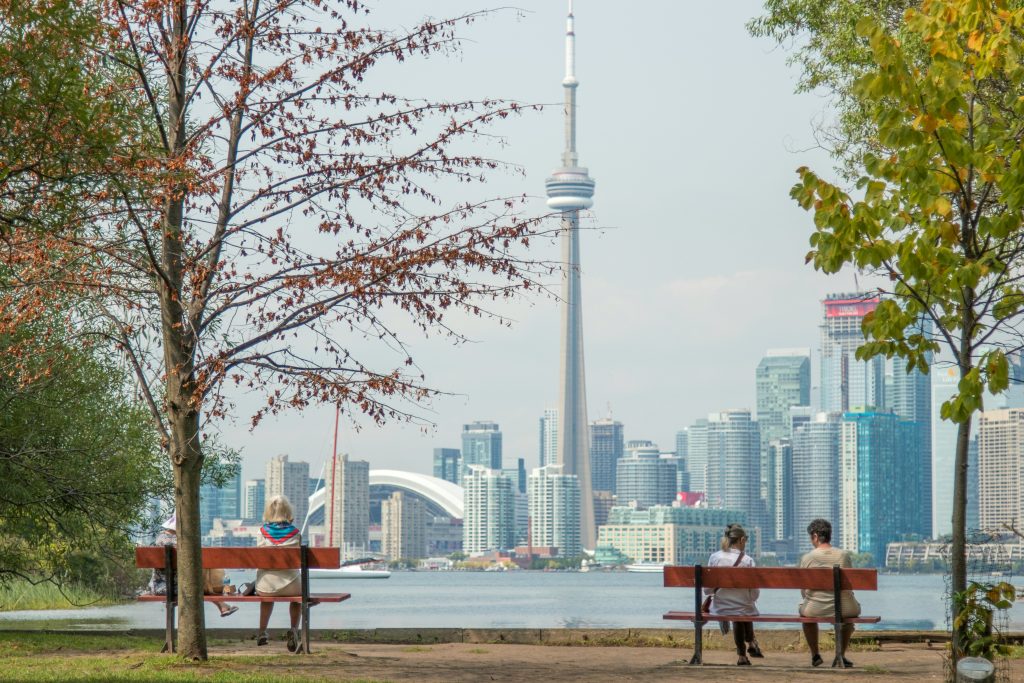
Toronto, Canada, is experiencing this celebration firsthand as one of the tournament’s main host cities. As an epicenter of cultural diversity, the World Cup atmosphere is felt in its streets not only through the event itself, but through the eyes of its migrant communities and local residents, who connect the game with their own roots and life stories.
“It’s really nice to see the city soccered up, or footballed up, if you will, [with] all of the jerseys and all of the people coming into the city,” said Rola Fawzy, who is Egyptian-Canadian and lives in Toronto. She said that because the city is so sprawled out, “sometimes I really feel like the World Cup is happening, and sometimes I don’t feel it.”
Mahsa Yazdaninia, who is an Iranian-Canadian also based in Toronto, resonates with this sentiment.
“Just seeing the vibe of the city transform has been an experience in itself. What’s really caught my eye is how some cars display two different country flags, which just proves how diverse Toronto is,” she said. “To be completely honest, I sometimes forgot I was living in a city hosting the World Cup, but to be fair that might have been because I don’t live near the spots where FIFA Fan Festivals were held. I know from friends the atmosphere of the city definitely underwent a big change. The only sign that kept reminding me of the fact that Toronto was a host city was the traffic!”
Across the city, official fan fests and alternative watch parties occur, creating pockets for spectators to attend and support their teams. Others, like Gloria Almonte, worked as a Pre-Match Ceremony Volunteer for all six matches hosted in Toronto.
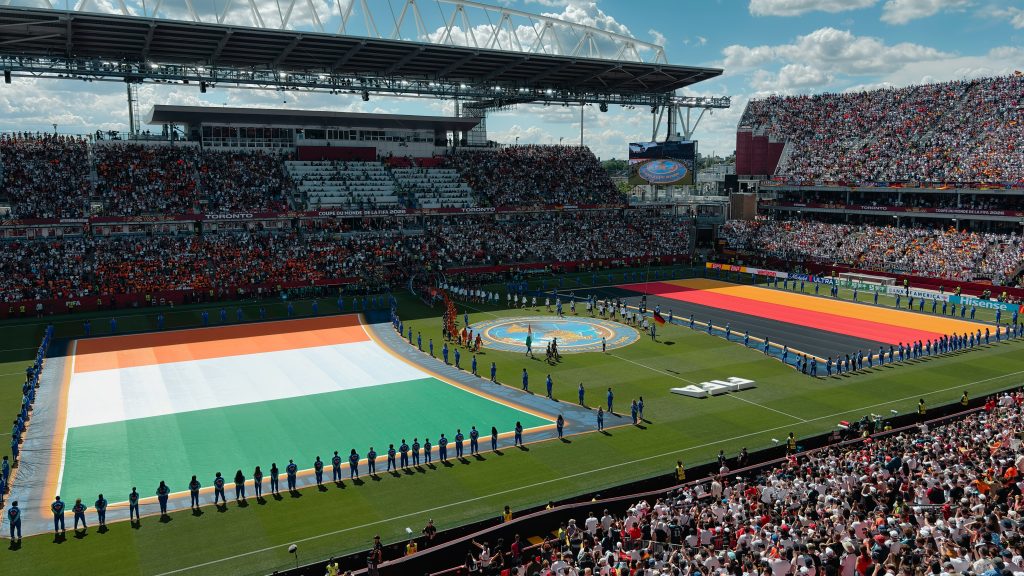
“Being able to volunteer in my hometown during such a globally recognized event was so meaningful,” she said. “I had the opportunity to be on the field with the players during the national anthems. I witnessed the passion and excitement that soccer brings to people from all over the world. Every match had its own unique atmosphere, and it was amazing to see fans, volunteers, and staff come together to create such memorable moments.”
The stories and teams capturing hearts
For this edition of the World Cup, many have been captivated by Cape Verde’s qualification story and their overall team, especially their star goalkeeper Vozinha.
“Something about the Cape Verde story and how they qualified to the round of 32,” Rola Fawzy said, “That, especially the goalkeeper…. I’m just personally invested in that story. It feels very, I don’t know, it kind of touched my heart.”
A Scotland-born Canadian, Joe Conroy describes a “life-long relationship” with soccer. He started playing as a kid, moving on to playing professionally as a teenager. Then, after getting married and having two daughters, he coached them until they were teenagers too. While working as a youth worker, Joe continued to coach soccer for the boys and girls’ teams at the school where he worked. Now, retired and nearing the age of 70, Joe said, “for the grace of God and my good health, I hope to continue [for] as long as I can being able to give back.”
“I’m always rooting for the underdog,” said Joe, “like Cape Verde.”
When football becomes culture
Another core part of the FIFA World Cup is the chants that fans perform from the bleachers in the stadium. Videos of crowds doing the Viking row went viral on social media. While many find it charming, Hannah Rognan shares “it doesn’t mean that much” to her as a Norwegian living abroad who is also not a soccer/football fan.
“I have never seen anything like the viral Norwegian football chant before. It completely surprised me how it’s all over the world and especially in Norway [where] it’s pretty extreme with the chant happening, for instance, in the formal meeting of the Norwegian Parliament”.
“I have to say it doesn’t mean that much to me as a Norwegian. I know it is definitely uniting the country and I think that’s great, but […] I find it a bit odd that we are now, all of sudden, going back to our Viking roots and really highlighting this Viking-based chant for the world to see even though Viking traditions or culture are really not a big part of Norwegian culture at all today. However, I am impressed with how our small country as been able to reach so many people around the world, and think it is very fun to see how many people are enjoying the chant.”
She also said she perceives it as a “marketing strategy for Norway, and it is working so well, so whoever came with this should be proud!” All credits go to an elementary school teacher named Ole Frøystad for coming up with the idea, according to ESPN.
Hannah also said that, from her perspective, she believes Norway’s success in this World Cup so far (which had not qualified since 1998) stems from the way the country promotes sports among younger generations. “Norway is very good at ensuring sports are available for children and really support kids to continue with sport for as long as possible into their childhood”.
“[Other reports I have seen] compare sports culture in Norway with other countries and point out that many countries encourage kids to specialize early and become the best in one sport (such football) but sports in Norway, at least into early teen years, are all about having fun and having everyone participate, rather than winning. This might be a better approach for teaching kids to love their sport, which could be the reason some people become really good. I think it could explain why such a small country is doing so well at the World Cup, which is pretty cool!”
Iran and the politics beyond the pitch
Unity may exist within a country’s crowd, but lots from current events can percolate into the game’s tournament, as it affected the Iranian national team.
“While my team was on the pitch, it was all about the game and everything else was forgotten. But as soon as the games were over, I’d watch the players and the team coach giving interviews and that’s when the issues were brought up,” said Mahsa Yazdaninia.
“A couple of headlines can never do justice to a country, especially one as populous as Iran, with over 90 million people who each have different worldviews and political opinions. Each headline tells a story which might or might not reflect a small percentage of this population. So, I’d like anyone who follows the news to always keep that in mind. Ultimately, we all want what’s best for Iran, although we might not always agree on what that may be.”
At the end of every game, Joe Conroy is “encouraged by the camaraderie” between the players from opposing teams greeting each other.
“You can battle in the field for 90 minutes,” he said. “At the end of it, then you can go up and congratulate the other players, the other team, and recognize the opponent for who they are.”