

 EN
EN
Women in politics, where the gender gap is the widest
By Saadia Ajbaili
Rather than adapting institutions to reflect the realities of modern society, many political systems continue to expect women to fit into structures created for men. The question is not whether women belong in politics, but why their equal representation is essential for the health of democracy.
A young man entering politics is often praised for his ambition. A young woman entering politics is more likely to be described as “too emotional”, “too young”, or “too inexperienced”. Before her policies are debated, her appearance, tone of voice, or private life may already have become part of the public conversation. More than a century after women won the right to vote across much of Europe, politics still does not judge or treat women and men by the same standards.
Women’s representation in politics is not just about equality; it is essential for democracy. When women are excluded from decision-making, half of society’s voices and experiences are missing. Their leadership broadens the agendas by bringing attention to issues such as education, healthcare, childcare, and human rights, leading to more inclusive and effective policies. The underrepresentation of women in politics is not only a women’s issue but a democratic one. Achieving real change requires both structural reforms and greater support for women to enter and remain in political leadership. Until women have an equal voice in politics, democracy cannot truly represent everyone.
Why does entering politics still come with a different set of rules for women?
Politics has historically been a male-dominated institution. While women have spent the last century fighting to make their voices heard and secure their place in political institutions, the reality is that many of the barriers they face today are not the result of a lack of ambition or competence. Rather, they stem from political systems that were originally designed without women’s experiences and perspectives in mind.
Women in politics continue to face harassment, online and offline abuse, sexism and a lack of institutional support from their male colleagues. Beyond these cultural barriers, structural obstacles also remain. For example, in France, mayors do not have access to maternity leave. Policies such as these make political careers particularly difficult for women, especially those trying to balance public office with family responsibilities. Rather than adapting institutions to reflect the realities of modern society, many political systems continue to expect women to fit into structures created for men.
As Giovanna Coi, journalist and Visual Producer at Politico, explains: “This isn’t an issue of women not trying hard enough or not caring about politics; it’s about a system that’s not designed to correct these imbalances to make politics safer and more welcoming.”
Yating Li, states that gender stereotypes continue to shape women’s political careers long before they reach elected office. During election campaigns, women often receive different media coverage, struggle to secure the same level of party support and campaign funding as men and are frequently judged through the lens of traditional gender expectations rather than political competence. The persistent belief that leadership is a masculine trait limits women’s opportunities to advance into positions of power. women continue to navigate a political environment in which they are judged by standards that rarely apply to their male colleagues.
Uneven Progress and Glass Ceilings
Despite decades of democratic progress, women remain significantly underrepresented in political decision-making.
The European Union has repeatedly committed itself to achieving gender equality in political representation, and many political parties have increased efforts to encourage women’s participation. However, progress remains uneven across Europe.
According to the Gender Equality Index, political power is still the area where the gender gap is the widest. Only Sweden and Finland score above 90 on the political power indicator, which measures women’s representation among ministers, members of parliament and regional assemblies. France, Austria and Belgium have continued to build on already strong performances, while countries such as Italy, Estonia and Portugal have improved from much lower starting points. Meanwhile, several countries at the bottom of the ranking have seen little or no progress.
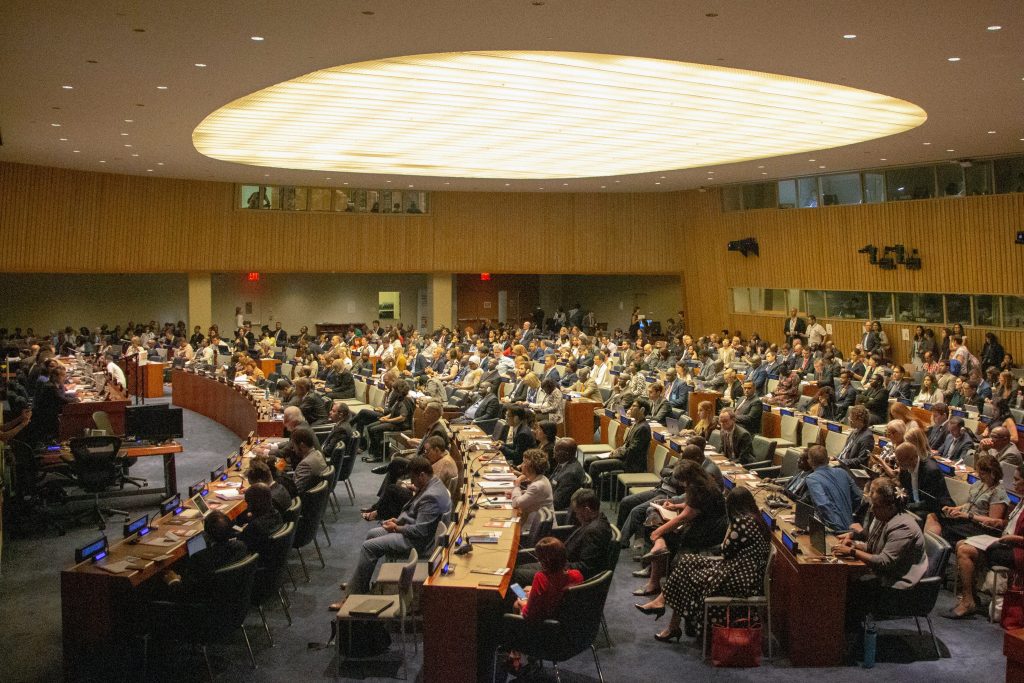
Looking beyond Europe reveals that gender inequality in politics remains a global challenge.
Data from the Inter-Parliamentary Union and UN Women, which monitors women’s representation in decision-making positions and national parliaments worldwide, paints a less encouraging picture. Women currently serve as Heads of State in only 28 countries and account for just 27.4% of members of national parliaments.
The data also reveals another persistent pattern: women are more frequently appointed to portfolios traditionally associated with care, education, social affairs, human rights or gender equality, while ministries such as defense, finance, foreign affairs and home affairs continue to be overwhelmingly led by men.
Are Women Truly Disengaged?
Political representation, however, is not only about those who are elected. It is also about who feels able to participate.
Studies consistently show that women tend to report lower levels of political knowledge than men, and this matters because political knowledge is one of the strongest predictors of political engagement. This was reflected in the 2019 post-election Eurobarometer, where women were more likely than men to say that they had not voted because they felt insufficiently informed about the European Parliament or the elections.
Women are also less likely than men to donate to political campaigns, join political organisations or contact elected representatives. Researchers largely attribute these differences not to a lack of interest, but to unequal access to resources, persistent gender stereotypes and social norms that continue to discourage women from entering political life.
Yet this does not mean that women are politically passive.
On the contrary, women often participate in politics through different forms of civic engagement. They are more likely than men to sign petitions, raise money for political causes, and engage in political consumerism by choosing or refusing to buy products based on ethical or political values.
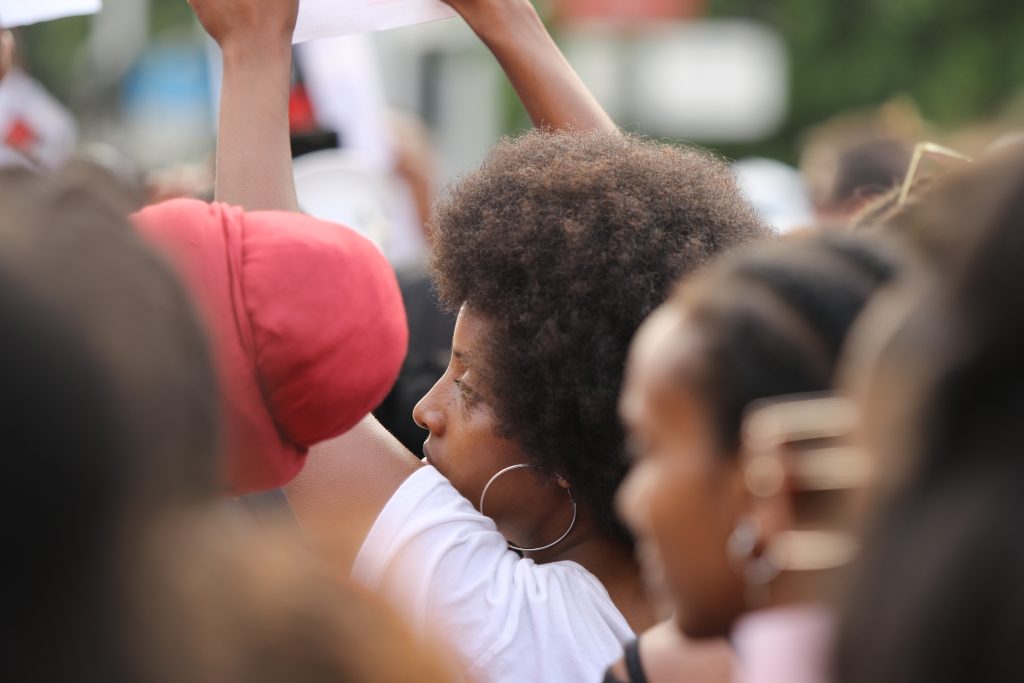
This suggests that women are not disengaged from politics; rather, they often participate through alternative forms of political action that have traditionally received less attention than formal political institutions.
The question, then, is not whether women belong in politics, but why their equal representation is essential for the health of democracy.
Society needs gender equality not only because it is a matter of fairness, but because it drives broader social, economic, and political progress. Evidence shows that countries with greater women’s representation in leadership often enjoy stronger democratic institutions and better living conditions. Women leaders are also more likely to bring attention to issues that have long been overlooked, such as domestic violence, childcare, healthcare, and gender equality. Supporting women in politics and encouraging more women to participate in democratic life is therefore essential to building a more inclusive, representative, and equitable society.
Women have never lacked the ambition, talent, or commitment to lead. While progress has been made, persistent stereotypes, structural barriers, and unequal treatment continue to discourage many women from starting a political career.
The future of democracy depends on ensuring that every voice has equal weight and a chance to shape political decisions. It is time for political institutions to remove the barriers that have kept many seats out of reach. Only when women and men can participate equally will democracy truly fulfil its promise of representing all citizens.