

 EN
EN
From Plur1bus to This Is Us: the TV Shows Talking About ‘Us’
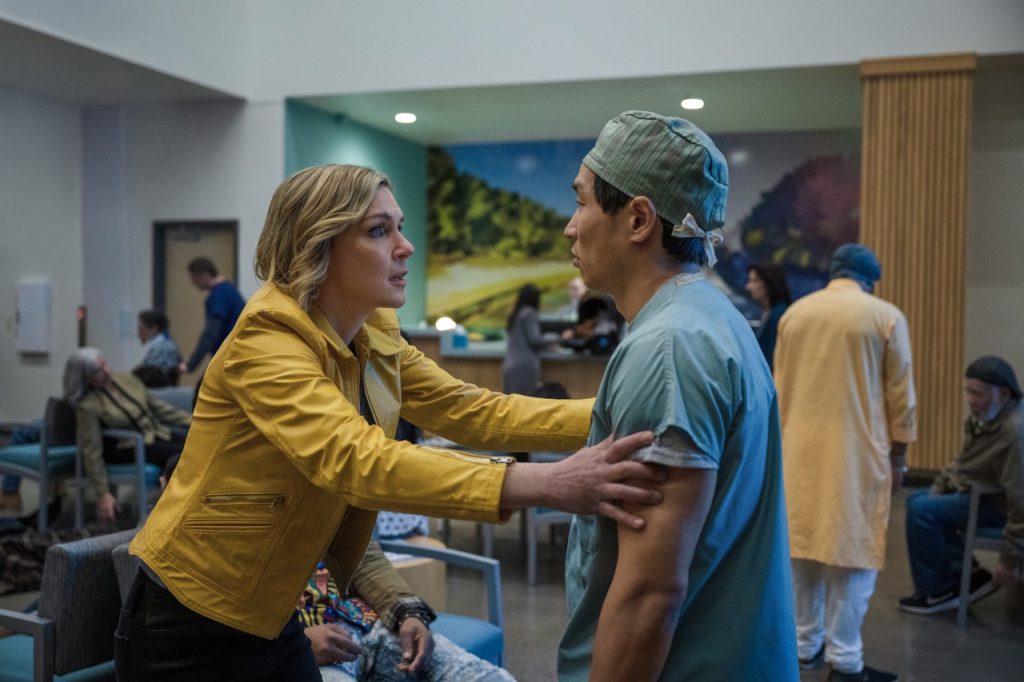
Starting with the new Apple TV series, we explore stories that challenge the idea of artificial peace. A reflection on the importance of wounds, talents, and personal freedom in constructing a truly united society.
No one is saved alone, something Carol Sturka knows all too well. Played by Rea Seehorn, Carol is the protagonist of the powerful recent Apple TV series Plur1bus. A virus from space has turned everyone in the world, except Carol and twelve others, into beings devoid of personality, real identity, critical capacity, and full use of their emotions. All of them are – or seem – happy, obedient, serene. However, they are trapped in an artificial peace, one which has left them harmless, peaceful, helpful, but entirely switched off. They are identical, interchangeable.
Carol does not assimilate and begins her battle alone, having decided the hive mind is no way to live. She wants everyone back the way they were, even if life might seem better now than before the indirect alien invasion that launched the virus from a planet 600 light years from Earth. Carol misses the challenges of her former life – a life that was not without its hardships and injustices – because it is the only life we humans know, the only life we have.
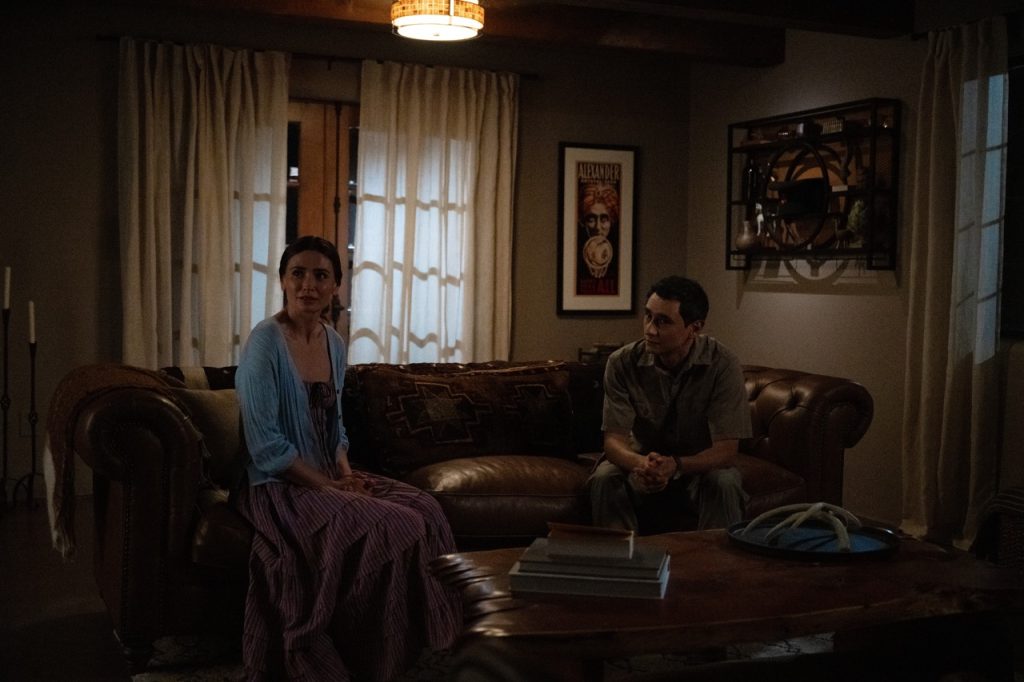
Carol and Manousos: Isolation Finds Company
Carol tries to ask for help from the twelve others who are immune like her; however, unlike her, they would rather make the most of life in this absurd, comfortable, but empty world. All except Paraguayan Manousos, who does not accept this new way of life, and joins forces with Carol to fight the enemy. Manousos and Carol come together at the end of the first season to save the world. However, Carol does waver at one point, enticed by the seductions of this apparent utopia that is, in fact, a dystopia: a place where ‘I’ does not exist, sacrificed in the name of one submissive, artificial, externally controlled, inhuman ‘we’.
The underlying question of Plur1bus emerges over the course of the series: what constitutes an authentic and healthy relationship?
Created by Vince Gilligan (Breaking Bad), Plur1bus encourages us to reflect on the concepts of unity, fraternity, and communion. What is the real ‘we’ if not the sum, the (tiring and often difficult) synergy, of many ‘I’s, all capable of making a difference and doing something extraordinary with the gifts they were each given?
Kevin from This Is Us Answers This Question
Another unique American series, This Is Us, responds in its first two seasons to the pertinent question set out in Plur1bus. Even the titles of the shows indicate a connection: Plur1bus puts the number ‘1’ in place of the letter ‘i’ by no accident, highlighting the need for a better relationship between the individual and society, and This Is Us pays tribute to the real ‘us’, the real ‘we’.
The ‘we’ in this case is an imperfect family, made up of individuals who are all different, but all full of life. People who make mistakes, but also understand and help one another, and experience the full range of human emotion, together. One scene in particular exemplifies the beauty of coming together as a truly united ‘we’: one of the main characters, Kevin, shows his nieces, Randall’s daughters, an abstract painting he made that is full of colourful splashes of paint.
‘Life is full of colour,’ he explains to the kids. ‘And we each get to come along, and we add our own colour to the painting.’ Every single person can make this unique and valuable contribution to the world by nurturing their talents. Each talent is like a seed, and each person’s contribution is like a colour that adds to the beauty of the world. While painting, Kevin wondered to himself: ‘What if we’re all in the painting, everywhere? … And these colours that we keep adding, what if they just keep getting added on top of one another, until eventually we’re not even different colours anymore? We’re just… one thing. One painting.’
You might also be interested in: ‘Cinema Dismantles Prejudices’: MedFilm Festival as a Tool for Transformation
Kevin is talking about the relationship between ‘I’ and ‘we’, and how everyone can contribute something valuable, something special and different to everyone else. For Kevin, harmony happens when we come together despite our differences, treating both ‘I’ and ‘we’ with respect, such that one does not crush the other underfoot. Harmony is when ‘I’ is not cancelled out by this ‘we’ that, in Kevin’s view, continues to live on even after we are dead, each ‘I’ leaving its mark on the world.
A Little Lesson from Ted Lasso about ‘Us’
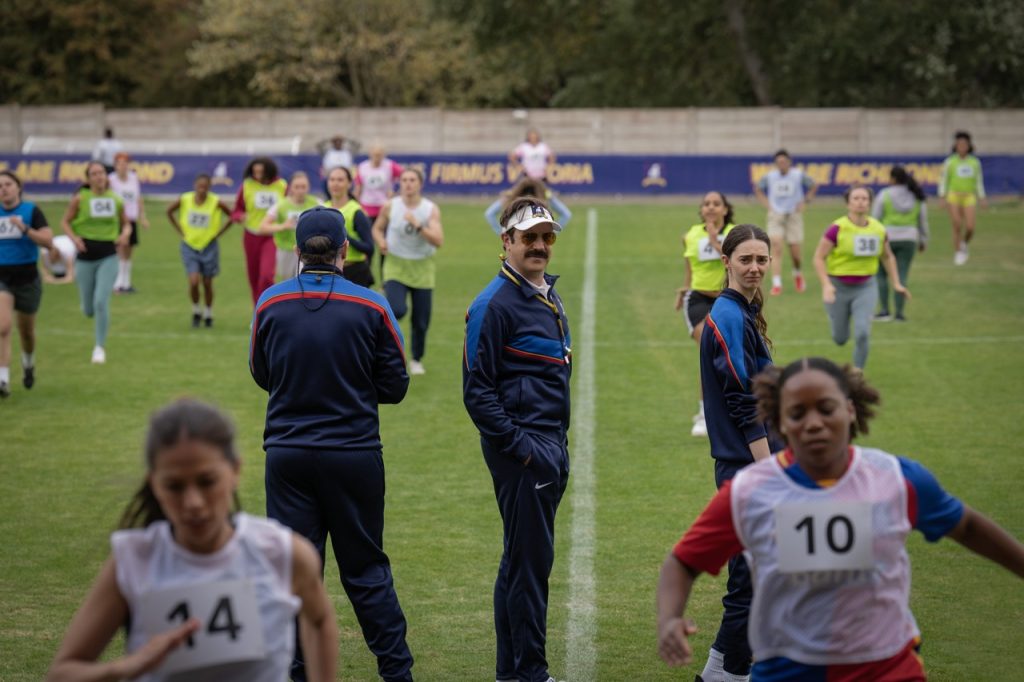
Even Ted Lasso, the protagonist of the delightful series of the same name (also on Apple TV), can spark conversation about ‘us’. Ted is unique, a real one-of-a-kind football coach. A coach who humbly imparts wisdom about life, rather than about winning. A born educator and sensitive person, he is always accepting of and welcoming to those around him. One scene in particular, in season three of this award-winning series, shows Ted having a conversation with a talented player, Jamie Tartt. Jamie has technique and potential to spare, but has not fully realised his potential because of a self-absorption that stems from his relationship with his father.
Ted tells him, in the middle of a game, ‘I think that you might be so sure that you’re one in a million, that sometimes you forget that, out there, you’re just one of eleven. If you just figure out some way to turn that “me” into “us”? Sky’s the limit for you.’ From Ted Lasso’s perspective, there is no conflict between ‘I’ and ‘we’. Quite the opposite, he illustrates how people who have something special, like Jamie, can be special to a whole community – but only if they put themselves at the service of that community.
Antonio Loffredo’s ‘We’
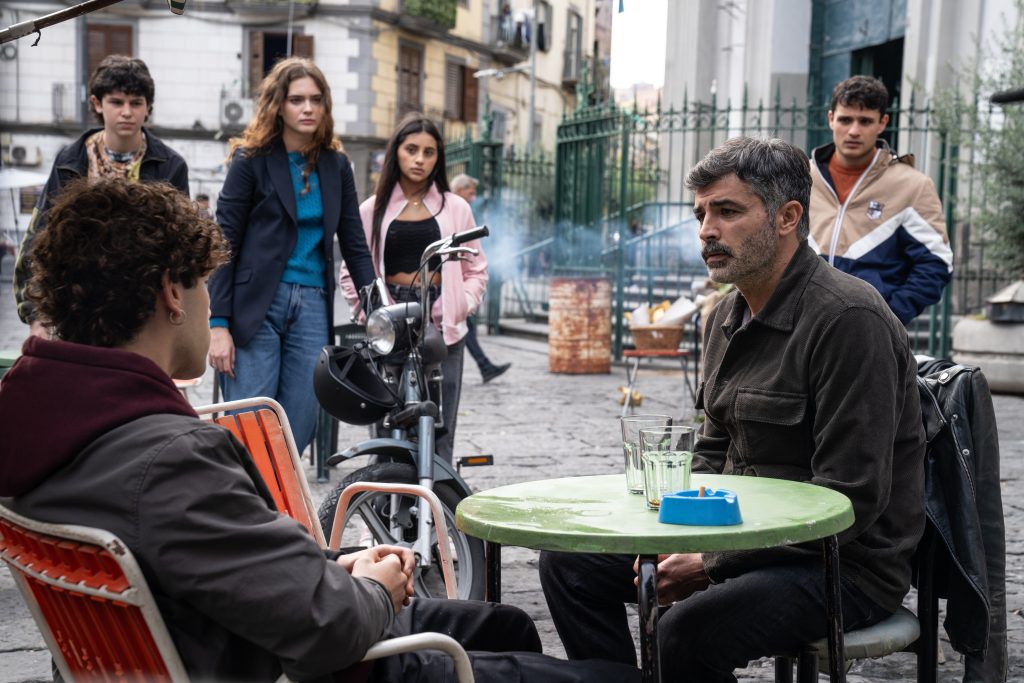
Another example of a character putting themselves at the service of others is the extraordinary priest in the recent RAI series Noi del rione sanità (literally, ‘we of the Sanità neighbourhood’). The character of Don Giuseppe was inspired by Father Antonio Loffredo, a real priest who worked with many young people in Napoli, especially in the Sanità neighbourhood, inspiring a sense of optimism and witnessing their extraordinary progress over the years. Father Antonio described himself as a midfielder at the show’s press launch. Continuing with the football metaphor, he explained that the boys were the ones who scored the goals; he was just the wingman. The goals of growth, achievement, and distance from a life of crime were scored by the many young people to whom he gave confidence and hope. Hence the ‘we’ in the title of this great series that continues to remind us that special people do exist: people full of charisma who can pull others in, and towards good. Don Antonio Loffredo speaks to us through this series about the difference that each of us can – and must – make with the talents we have been given.
The Power of Plur1bus
That talent can be expressed through art, as we see in Noi del rione sanità, through the instrument of drama. And that art can include television: not always, but just when it is made well. Plur1bus is one such series; it invites us to reflect on the idea of a united world, on its value, and on the essence of one’s gift to the world. The show’s nine episodes exemplify how this gift must not detract from our collective diversity and each individual’s freedom to participate, to choose, and to work for the greater good – even if that means working through the pain that has shaped us, as well as the various efforts, frustrations, wounds, disappointments, and complexities we all face.
Otherwise, it is not real peace, even if it seems that way. It is not real life, it is not real communion, and it is not real unity. It is not this authentic ‘we’ that is worth working towards every day, and warrants us engaging in dialogue with one another and preparing to come together.
Translated into English by Becca Webley