

 EN
EN
The Arsenal of Peace: From Weapons Factory to Refuge, It Is ‘A Home That Offers Sanctuary to the Most Vulnerable’
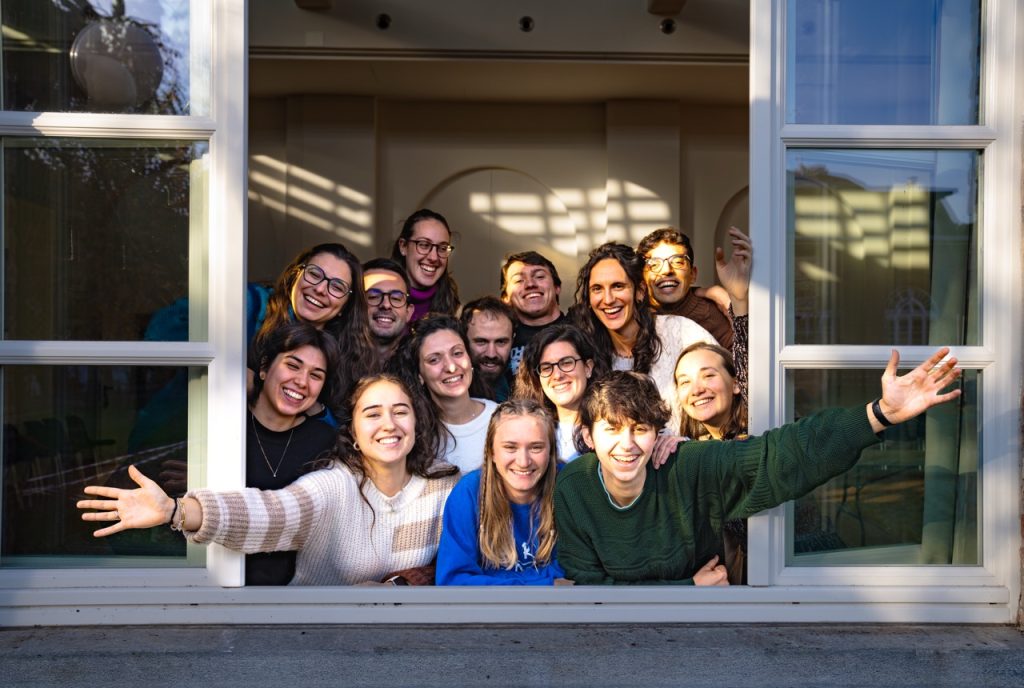
A sixteenth-century military arsenal transformed into an urban monastery. Rosanna Tabasso describes how SERMIG welcomes young people, mothers, and refugees, converting a place of death into a building site laden with fraternity, prayer, and social justice – right in the heart of Italy.
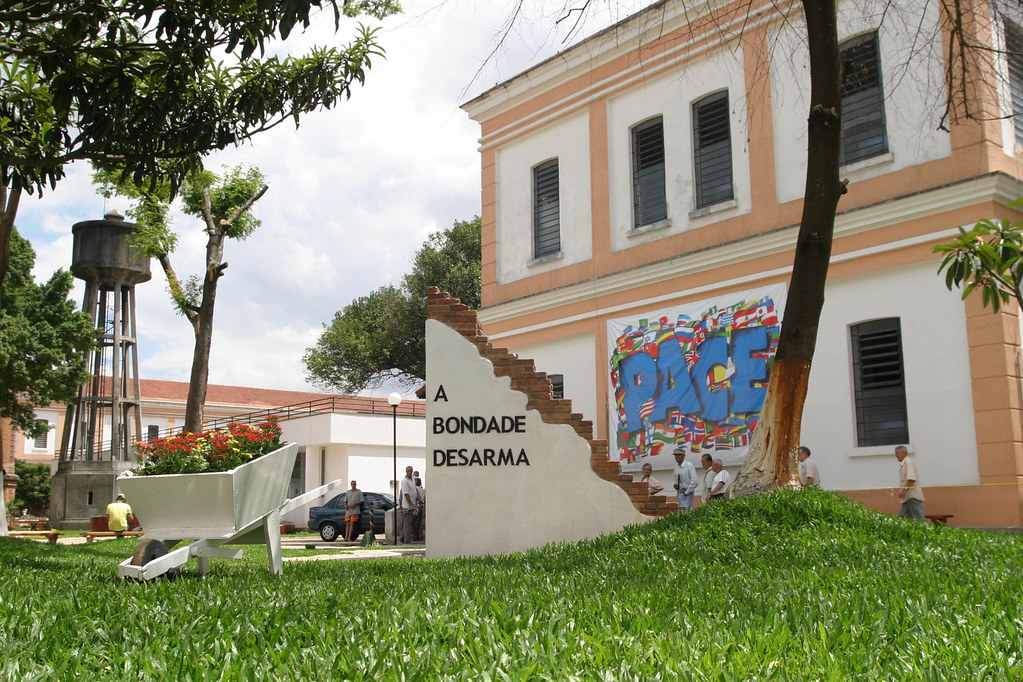
The Arsenale della Pace, or Arsenal of Peace, represents an extraordinary oxymoron; this place, brimming with hope, has been powerfully disarmed simply by the weight of its name. Peace, dialogue, and support for the most vulnerable are now manufactured in a place that used to fuel war.
The Arsenal of Peace can be found in Turin, in northern Italy, right where an old abandoned weapons factory used to be. The centre has been open since 1983, thanks to the hard work of its many volunteers, and especially its younger volunteers, who have worked day after day to transform it into a triumph for humanity. Working in this urban monastery that welcomes people around the clock is SERMIG (Servizio Missionario Giovani, or Youth Missionary Service), a movement founded in 1964 by Ernesto Olivero and his wife, Maria.
To tell the invaluable and uplifting story of SERMIG and the Arsenal of Peace, we met with Rosanna Tabasso, President of SERMIG, and started at the beginning.
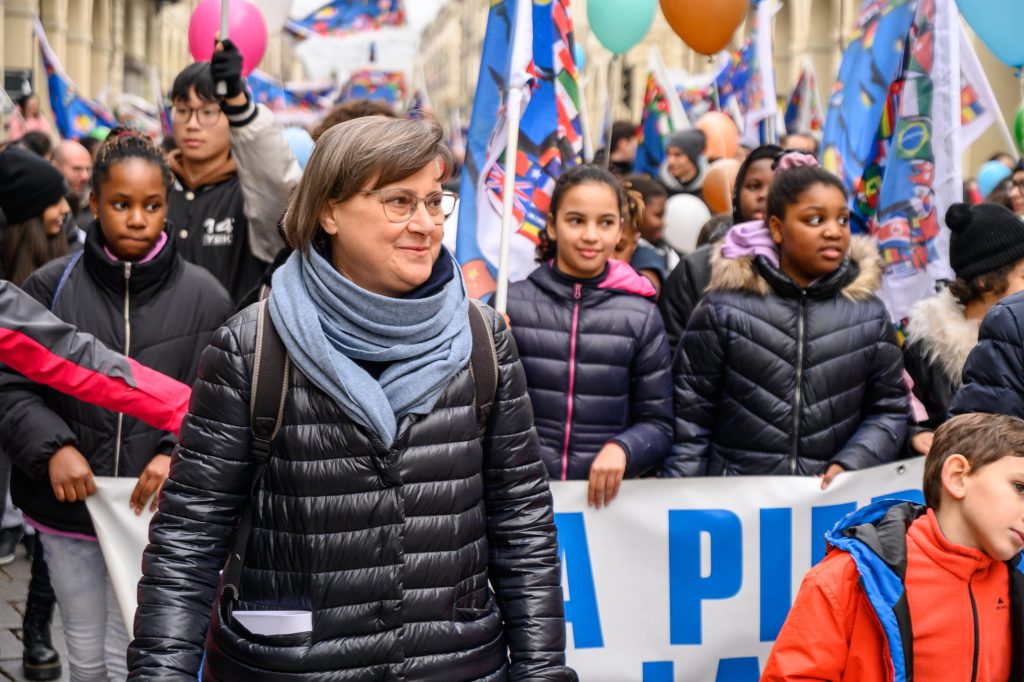
How did the story of the Arsenal of Peace begin?
It was a dream that felt bigger than us. At first we were just a small group of young people who wanted to live according to the Gospel, without making excuses, without putting it off. We felt that just saying ‘love the poor’ was not enough: you had to do it. Above all, the prophecy of Isaiah – the news of a time when weapons are no longer made – drove us. Turin’s old military arsenal became the place in which we would start to realise our dream. When we came in here for the first time on 2 August 1983, there was nothing; it was a ruin. That did not scare us away. We believed in it, and so many people helped us, giving up their time, resources, and expertise. That is how the Arsenal of Peace was born.
What is daily life like in a place like that?
There is a certain beauty that comes from people calmly coming together. Every day we receive people in need of different things: someone looking for a meal, a listening ear, a guide, a refuge. And then we have young people coming to us with thousands of questions, wanting to learn how to build a life worth living. The Arsenal is a laboratory: we get our hands dirty, listen, pray, open our arms. Nothing is impossible. Every story changes you. Fraternity is not poetry: it is choosing, every day, not to back down.
The Arsenal of Peace is dedicated to Father Michele Pellegrino: what was he to you?
He embodied the safe presence of a father who loved us, first and foremost. He recognised our charisma before we even understood who we were. He was a trustworthy adult who believed in young people and could guide you in the right direction without saying much. He has always been with us, and we will never forget that.
How do different cultures and religions engage in dialogue inside the Arsenal of Peace?
By seeing the person first, and then the rest. The key is to always put yourself in other people’s shoes, understanding that our shared humanity – with its joys and pains, its ups and downs – is our closest common ground. Mutual acceptance dissolves mistrust. Then there are the meetings, conferences, debates… but first there has to be real sharing, from one person to another.
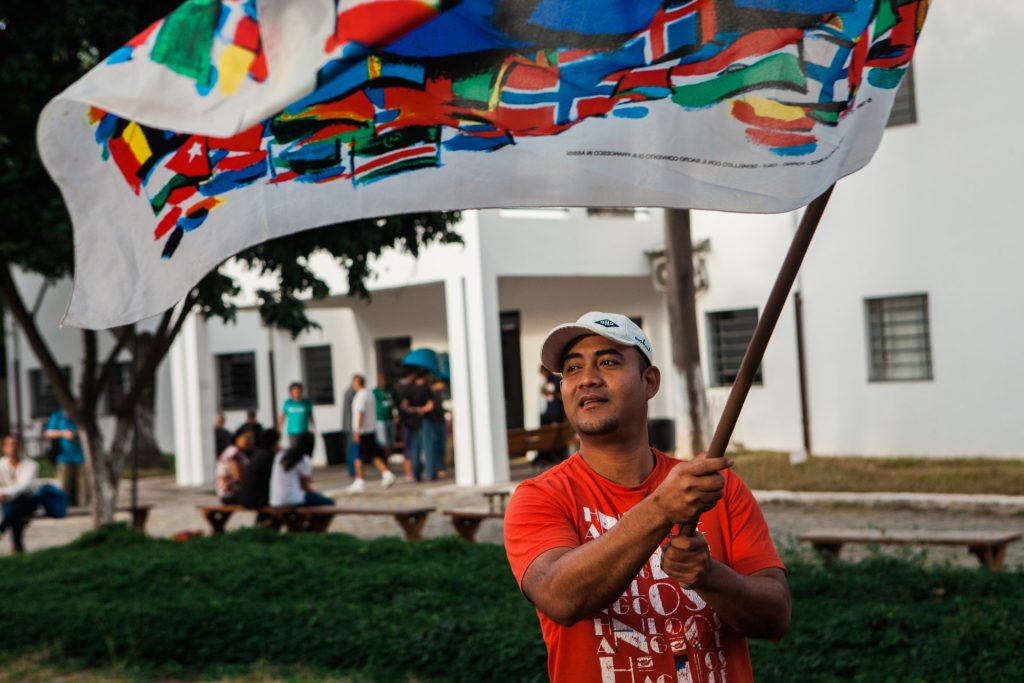
And what about the young people? How much do they ask of you, how much do they tell you?
Young people look right through you. If you are not genuine, they can tell immediately. They are profoundly wounded: by isolation, feeling lost, the fear of not being good enough. But they also have an incredible appetite for understanding, for God. When you really involve them – not treating them as onlookers, but actively engaging them – you see them change. And when they change, everything else changes with them. They have the ability to take positives from the past and bring those into the present and the future.
How do you support the others: single mothers, prisoners, vulnerable people?
The Arsenal of Peace is a home that offers sanctuary to the most vulnerable among us. We welcome them with open arms, applying our method and a certain degree of rigour. It is the logic of love. Those who want to change have to really want it, choose it. No one can take away a person’s freedom. We can be a refuge, a source of support, a relationship. The rest is up to the people we take in. Otherwise, our help would just be dependency culture.
Your site describes the Arsenal as ‘a dream that lets people give back’. What does that really mean?
It means that this place exists because of the people who help us. If they stopped, we would be closed in three days. Anyone can give something back here: their time, skills, prayer, expertise, energy. That is how this little adventure grew. Giving back is also a profound act of justice for those who have nothing.
What is SERMIG today?
We want it to be a family for anyone who knocks on our door, but also for ourselves, as we have dedicated our lives to it. Today our culture of fraternity welcomes people from all sectors of society: families, individuals, priests, consecrated people. All with the same responsibility.
Let us talk about Ernesto Olivero…
Ernesto is the founder of SERMIG, and until a few years ago, he was the heart and soul of the movement. A simple but determined man. A man who allowed himself to be shaped by God, who believed that his Word be fulfilled, and who put himself on the line – no excuses. Together with his wife, Maria, he dared to expand the boundaries of his family. And he also taught us to see inequality as God’s true battlefield. It is up to us to be available: if we have faith, He does the rest.
There are various ‘Arsenals’ around the world: of Peace, Harmony, Encounter, Hope. How do they come together?
They are all different shades of the same passion. Peace is at the core. Harmony, encounter, and hope are its rewards. Each arsenal represents a different way of embracing the same dream: healing what divides, and building what unites. Whether that is welcoming in young people, homeless people, or disabled children. SERMIG is like a block of flats, every floor a different division. You can move around, be in different countries, but the spirit remains the same.
‘We were kids then… we wanted to be the present.’ What are the challenges you are facing today?
Staying in the present. Not getting lost in memories. The world is more lost, more fragile today. The challenges we are facing include isolation, fear of the future, wars both near and far, and corrosive mistrust. The response cannot be nostalgic. It must be creative, disciplined, courageous. The Arsenal cannot limit itself to simply surviving: it must continue to be a living, moving, and open building site for peace.
Article translated into English by Becca Webley