
 EN
EN
Youth for Peace: Three Intercultural and Interfaith Projects Across Europe and Brazil
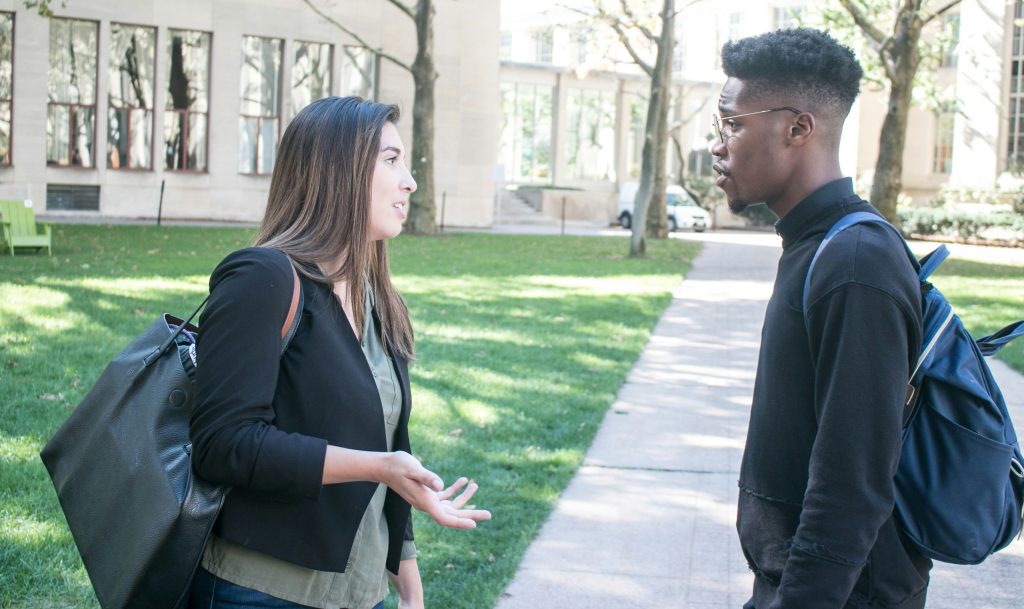
From Europe to Brazil, classroom to classroom, Youth For a United World (Y4UW), the NGO New Humanity, and the Focolare Movement are the driving forces behind three projects that have transcended cultural and religious divides.
Dialogue is a necessary bridge in building peace. It is the tool – both disarmed and disarming – that can transform a potential or ongoing conflict into an opportunity to come together for exchange, mutual understanding, and shared growth. This is the reason we continue to share stories that champion dialogue, especially those involving young people.
One of the eight United World Project communities is dedicated to ‘dialogue and interculturality’. The group aims to be a space for developing and organising projects centred around local and global cooperation, as well as for promoting interculturality and social engagement.
The community calls attention to projects rooted in dialogue and interculturality, three of which are cited in the ‘Together to Care: for Our Human Family and Our Common Home’ report. Developed in November 2025 by Youth For a United World (Y4UW), together with the NGO New Humanity and the Focolare Movement, the report showcases these young people’s hard work, one year on from Genfest 2024. The event, which brought together over 3,000 young people in Brazil, was the birthplace of many of the initiatives featured in the Together to Care report.
Giovani Costruttori di Pace (literally, ‘Young Peacebuilders’) – Italy, Greece, Romania, Spain, Turkey
The first project is called Young Peacebuilders – Italy, Greece, Romania, Spain, Turkey. What started as little more than an Italian schoolteacher’s hunch, the initiative saw considerable engagement from schools in Greece, Romania, Spain, and Turkey. In total, around 550 students between the ages of 5 and 14 took part, coming together to shine a spotlight on projects that are actively building peace and encouraging mutual understanding through games and educational activities.
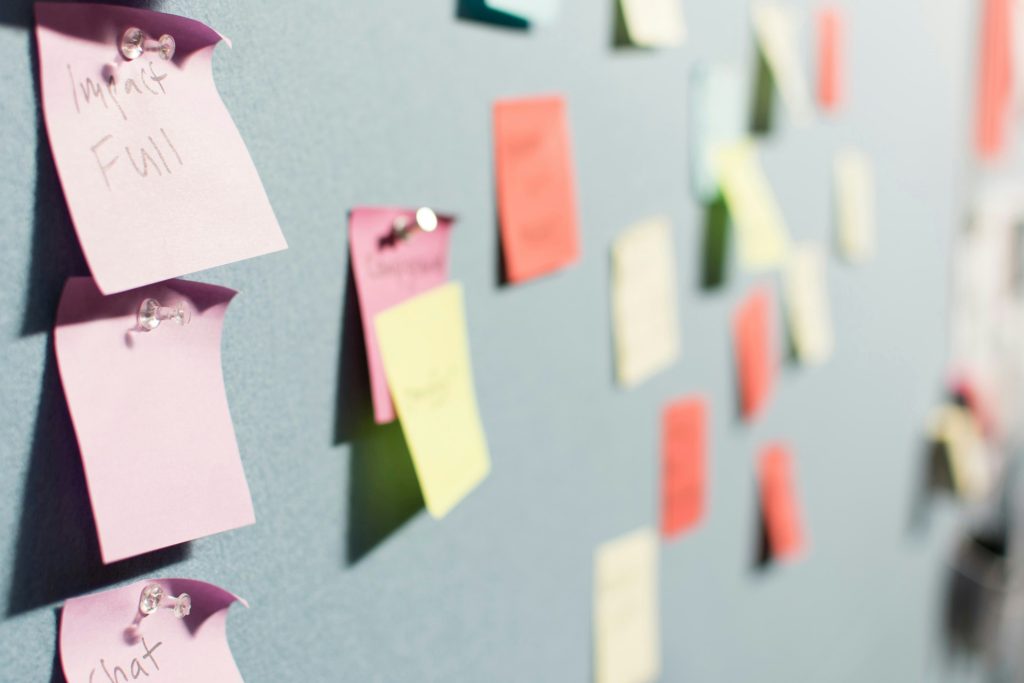
As a final task, the group of culturally diverse students created a leaflet with a QR code linking to a petition for peace. The initiative has already collected over 1,800 signatures, after the digital code was displayed at the entrances to places like schools, shops, and local businesses.
The code invites users to read and sign the petition for peace, an act/declaration that makes it clear to students from other countries that they can actively contribute to creating universal peace, no matter how young they are.
Despite coming from different cultures, speaking different languages, and belonging to different faiths – Islam, Christianity (Catholic and Orthodox), Judaism, and Buddhism – all the young participants learnt that diversity is not divisive, but enriching. They learnt that mutual knowledge dismantles prejudices, reveals things about others that go beyond stereotypes, and can break down the barriers of fear and distance. These young people have come to understand that knowledge is the first step in building bridges to advocate for the kind of peace that should form the foundation of our everyday lives.
Project DialogUE – Unione Europea (European Union)
Another project cited in the Together to Care report is DialogUE: Diverse Identities Allied, Open, to Generate a United Europe. Originally conceived by the NGO New Humanity, which has always put dialogue at the forefront, the project was backed by 14 non-profits from nine countries around the EU. The initiative promoted intercultural and interfaith dialogue across Europe to investigate the meaning of dialogue and how we can embrace it in our daily lives. Over two years they held eight webinars, which were open to all and attracted around 10,000 participants from over 20 countries in Europe.
DialogUE proposed an encounter/discussion between different religions and cultures, with the goal of creating solidarity and unity, first and foremost at the European level. They wanted to experience for themselves the value of dialogue between people from diverse backgrounds – no matter how difficult, demanding, or challenging that dialogue might be – and how it can lead to what one might call ‘unity in diversity’.
The project drew on decades of experience in interfaith and intercultural dialogue, working with international experts to develop effective approaches. Teaming up with four ‘dialogue groups’, they tackled three key themes: communication, ecology, and social policy.
Through the Together for Europe network, DialogUE encouraged exchange between Christians from different denominations. Then between Christians and Muslims through the Focolare Movement’s Centre for Interfaith Dialogue. There was also exchange between Christians and nonbelievers through the DIALOP platform, leading to transversal dialogue. Finally, the project saw exchange between Western Europeans and those from Central and Eastern Europe, through the Multipolar Dialogue Group.
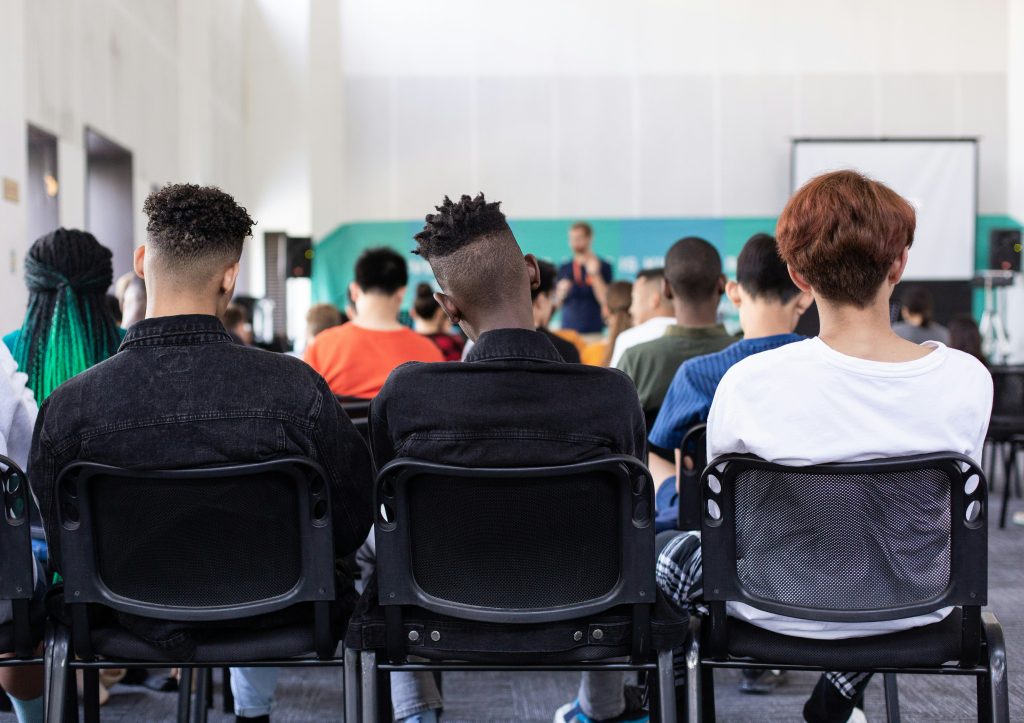
In October 2024 the European Parliament hosted the final conference of the DialogUE project, bringing together representatives from EU institutions and project partners, as well as religious communities and non-profit organisations. Political recommendations were presented to the European Union and compiled in the DialogUE Kit, which proposes practical tools to encourage dialogue and collective solidarity.
The general advisor for the Focolare Movement’s Culture and Study branch, Francisco Canzani, stated in his speech that dialogue is made up of three elements: attitude, tools, and approach. Developed by Christians and Marxists through the DIALOP platform, their approach used ‘differentiated consensus’ and ‘qualified dissent’, and is now a source of inspiration and a blueprint for other dialogue-oriented groups.
School of Interfaith Dialogue 2025 – Brazil
The third project featured in the Together to Care report is called School of Interfaith Dialogue for Young People 2025. With the theme ‘Unity of God and Unity in God: a path of encounter and listening’, the school took place from 19 to 21 September last year at Mariápolis Ginetta in São Paolo, Brazil. Young people and adults interested in interfaith discussion took part in the event, with the goal of encouraging coexistence, religious education, and dialogue between young people and adults.
Genfest 2024 left its young participants with a tangible sense of trust in the friendships they formed and the intercultural dialogue they experienced. They went away with an understanding of just how effective an encounter with the ‘other’ can be, starting with people of different faiths. Among these young people, who were profoundly moved by their experience of the Dialogue and Interculturality Community at Genfest, the desire to continue along this path took root. Their work involves tackling various subjects through study, shared prayer, dialogue, and communal living: the spirituality of unity, introduction to Islam, the Document on Human Fraternity, and 60 years since Nostra aetate.
The School of Interfaith Dialogue for Young People 2025 is just one of the dialogue-centred initiatives across the country that is spearheaded by inspirational Christian communities passionate about sincere encounter between faiths. A message of hope emerged from the School of Interfaith Dialogue 2025: only dialogue can transform the world into a shared home.
Translated into English by Becca Webley