

 EN
EN
Three stories of Ecology, sport and health from South America
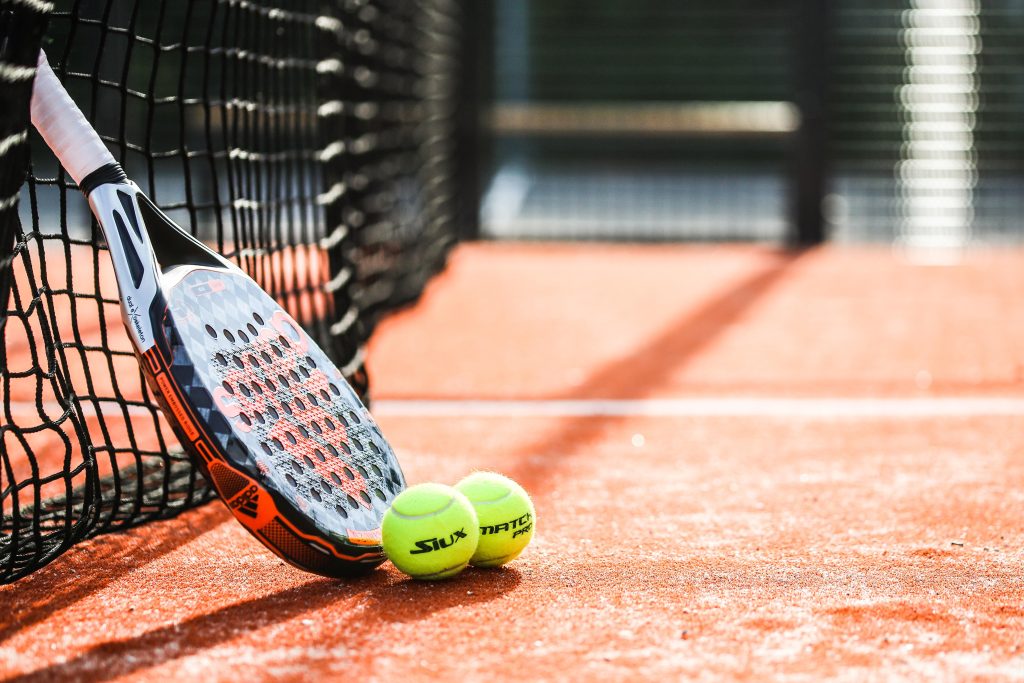
Argentina, Brazil and Uruguay share initiatives that unite sport, sustainability and community, demonstrating that even small local steps build the great path towards a more united and healthier world.
Ecology is a fundamental theme for the United World Project. A united world is a healthier world, and this is a precious good for all the people who inhabit it. From this simple but not trivial awareness, one of the eight communities of the UWP takes the name of “Health, Sport and Ecology”.
The Health, Sport and Ecology community works to reaffirm the central role of environmental protection, decisive for collective well-being, and explores the deep connection between people and nature. It recognizes that complete health, for the human species and for the planet, arises from the balance among the different elements of the Earth: from the care and respect of every form of life, following the path of integral ecology.
Through dialogue, reflection and the sharing of experiences, the community aims to inspire responsible actions that allow the Earth’s resources and biodiversity to prosper for future generations.
Sport, dialogue and peace from three different countries
One of the important processes for a healthy world is that of peace: where there are no weapons, where dialogue, empathy and synergy dominate, human beings can build good and face in the best way the problem of the environment, which has no borders, flags or political colors. Only united can this wound and this great, global challenge be faced in the best way. Alone, one goes nowhere.
To build the great steps of humanity, however, the small steps of individuals and communities are also helpful. Thus, in this article for the month that United World Project dedicates to health, sport and ecology, we narrate three stories on these topics. They all come from South America: from Argentina, Brazil and Uruguay.
World Padel Center, in Argentina
At World Padel Center, which is located in Argentina, sports is only the beginning, or rather, it is the tool to arrive at something greater: at a healthy, authentic way of relating, respectful of the other. That is, that human relationship which becomes the road to a more united world.
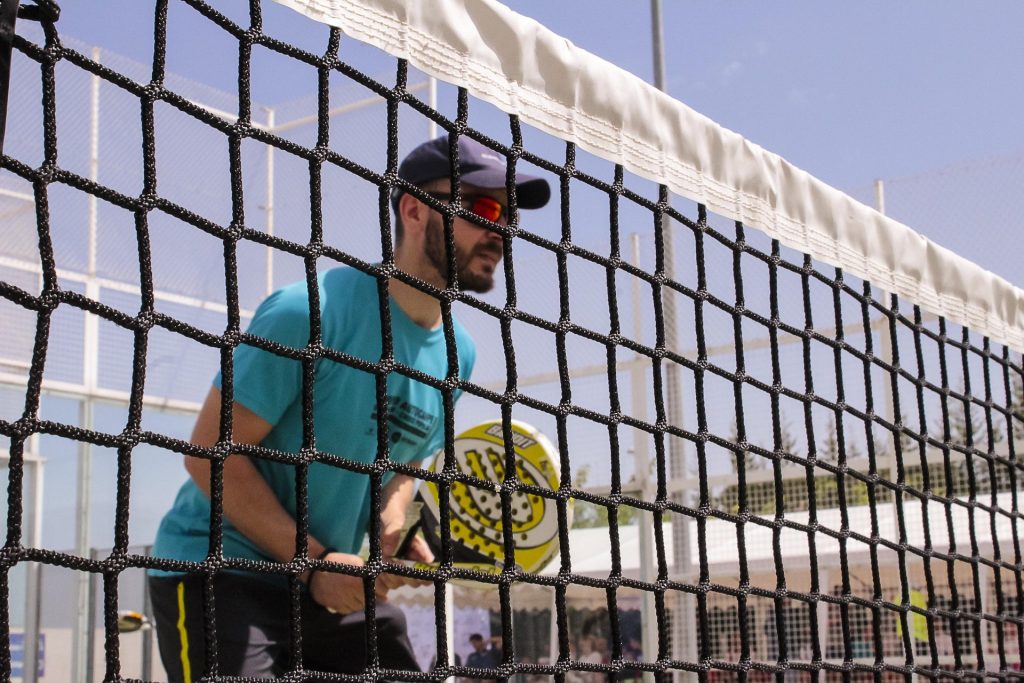
Sports, at the World Padel Center, thus transforms itself into a new way of relating, deeper. Into a network of humanity that offers hope for the future and for the ideal of a United World. The dice of love introduces an additional challenge during training sessions, a challenge that the children appreciate very much.
What is the dice of love
What is the Dice of Love? An educational game conceived by Chiara Lubich, founder of the Focolare Movement, to educate the youngest to fraternal love. It is also used as an instrument of peace in numerous schools around the world, thanks to the initiatives of Living Peace. The dice of love has on each of its faces a different aspect of Christian love. Here are all six: love everyone, love first, love your enemy, love the other as yourself, love one another.
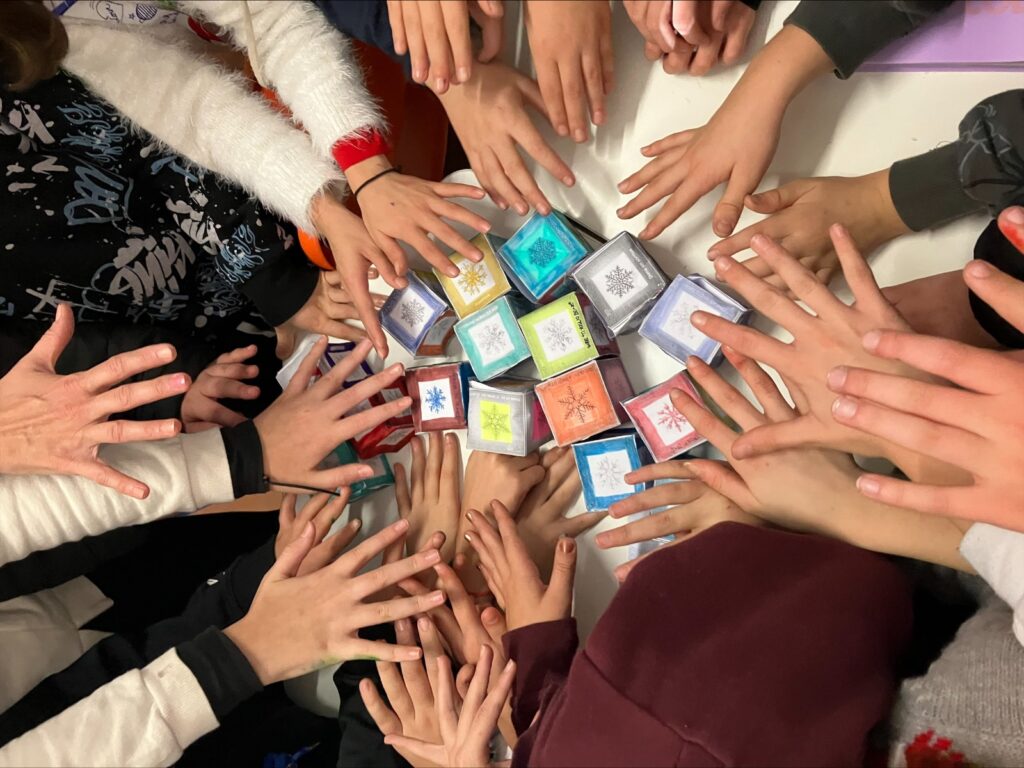
Here, 60 children (from 3 to 15 years old) experience sporting activity in a complete way: with the body, with the heart and with the mind. Their work includes yoga, nutrition and sport psychology workshops, physical education and – very important – the use of the “dice of love”, which the animators of the World Padel Center came to know through the experience lived with the Genfest 2024, in Aparecida, Brazil.
A sporting and pedagogical project
The children who participate in the World Padel Center academy receive a general report every three months, which offers feedback not only on motor skills, but also on their relational and attitudinal aspects.
Both parents and children are asked to express opinions about the academy, making dialogue the fundamental tool of a project that is not only sporting, precisely, but also pedagogical: aimed at building a welcoming educational community.
The Decarbonize Program, in Brazil
From Brazil comes a beautiful story of ecology: the Decarbonize project which promotes – in schools – environmental education and awareness about climate change. The programme acts by training students and educators in awareness and active citizenship in the field of sustainability.
The initiative is connected to the international “Decarbonize” programme of the Global Education Center, carried out in collaboration with the University of Alberta, in Canada. Decarbonize activities promote leadership and climate justice, the fight against environmental racism and political participation, in line with the Sustainable Development Goals (SDGs), with Agenda 2030 and with the Earth Charter and human rights.
Among the main actions of the Decarbonize project are research activities and presentations during the National Cerrado Week, aimed at mobilising international support for the conservation of the geographical area involved in the project itself, as well as the participation of students in COP conferences, in the Brazilian National Congress and in state legislative assemblies.
The El Pelicano project in Uruguay
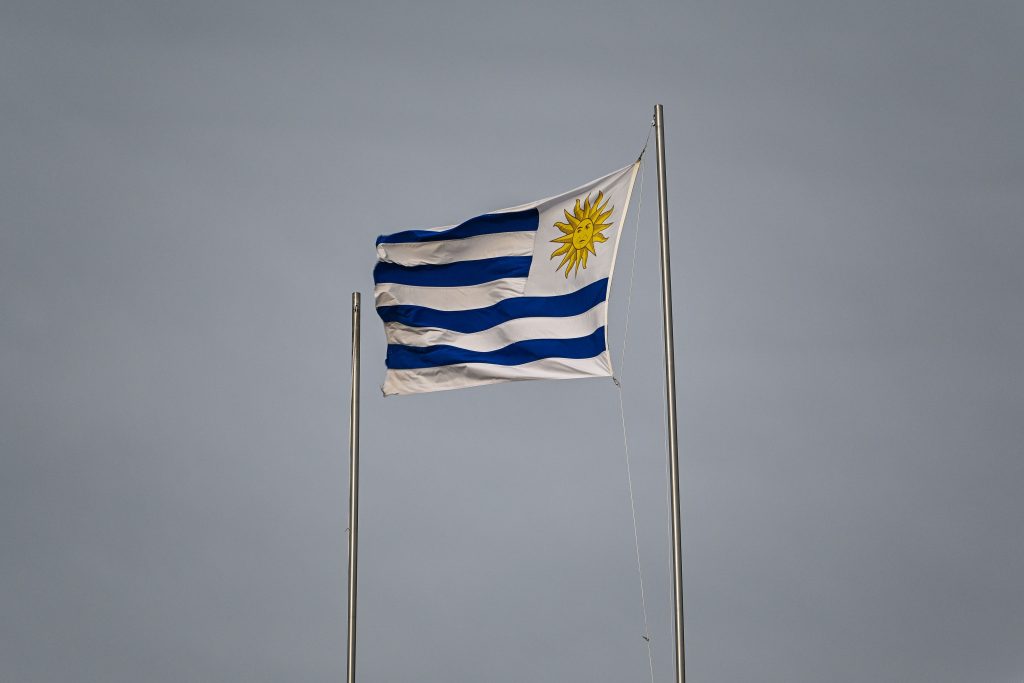
The third project is called El Pelicano and is carried forward in the Mariapolis Centre called precisely El Pelícano. This place is located about 18 km from the center of Montevideo, the capital of Uruguay, and is an important spiritual and ecological hub, founded by the Focolare Movement with the aim of bringing the community together and of being a point of reference for environmental education within the concept of integral ecology, particularly for children.
For them, educational paths in the green are provided and for this reason El Pelicano is immersed in the beauty of nature, in a large and silent space that hosts up to 300 people. It is an ideal place for congresses, retreats and educational events, because of the hospitality and catering services that it guarantees.
El Pelicano and ecological innovation
Among the main points of the El Pelicano project – whose funding was initially promoted by the NGO New Humanity and its partners – there is that of Ecological innovation: in 2022 the centre won an international call (Seed Funding Program of New Humanity) to develop the project called “El Pelícano: centro de recursos ecológicos para la educación en la primera infancia”.
The project, carried forward by young leaders who from all over the world promote integral ecology, is aimed at the youngest and seeks to transform the area into a hub of environmental education, with training and educational activities such as workshops, excursions in nature, an organic vegetable garden and the recycling of materials. The activities have the purpose of reaching numerous families through their children to convey the values of integral ecology.