

 EN
“There Is a Real Impact”: How to Turn an Environmental Vocation into a Purpose-Driven Business
“There Is a Real Impact”: How to Turn an Environmental Vocation into a Purpose-Driven Business
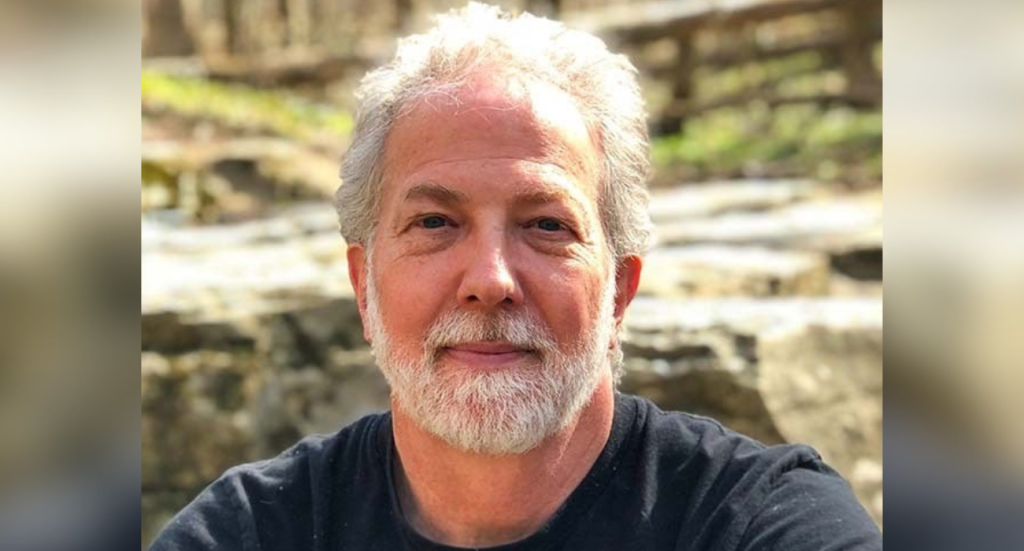
John Mundell, a leading figure in the Economy of Communion and a pioneer in environmental remediation, explains how to integrate faith, ecology and business to bring about tangible changes in society.
From his early beginnings as a geologist to becoming an internationally recognized figure in environmental consulting and the Economy of Communion, John Mundell demonstrates that it is possible to run profitable business ventures while generating a positive social impact. In this interview, the Global Director of the Laudato Si’ Action Platform reflects on his career, considers the role of businesses in addressing the climate crisis, and explains how ethics and integral ecology can transform the world of work.
From a very young age, you have been sensitive to environmental issues. How did you manage to turn this into a business career?
My ancestors were among the first Europeans to settle in what are now the states of Kentucky and Indiana. My family had a deep respect for the land. We were farmers and livestock breeders. In 1970, when I was 13, I took part in the first Earth Day, collecting litter along the streets. That was when I realized the impact we could have by working together. At university, I developed a passion for studying the Earth, particularly Geology. Since I also had a natural aptitude for mathematics, I discovered geological engineering, which teaches you how to design dams and road infrastructure and prevent landslides. After graduating with a degree in Civil Engineering, I began working for a company that was just starting to address environmental pollution. I became the first engineer to specialize in the remediation of chemically contaminated sites. Over more than 40 years of my career, I have worked across the United States and around the world, conducting investigations and remediation projects at thousands of sites.
You are the Global Director of the Laudato Si’ Action Platform (LSAP) and the founder and president of the environmental consulting firm Mundell & Associates. What are the company’s main characteristics, and what role does it play in protecting the environment?
Mundell & Associates is an environmental and earth sciences consulting firm specializing in the assessment and remediation of contaminated sites (soil and water). We transform disused industrial areas, damaged by decades of production activities, into restored land ready for new uses. We are a team of scientists and engineers whom cities and multinational corporations turn to when facing the most complex environmental challenges involving land, industrial facilities and air quality. We also work to identify new underground water resources, raising awareness of the importance of protecting water quality. In relation to climate change, we address flooding, rising sea levels and changes in water demand resulting from increasing temperatures.
Since 1995, your company has been part of the Economy of Communion. How did this relationship begin, and what motivates you to continue believing in it?
Our connection with the Economy of Communion (EdC) dates back to 1978, when my wife Julie and I first encountered the Focolare Movement. We were deeply impressed by the people we met and their desire to put the Gospel into practice. Over the following twenty years, our involvement grew. We raised our children according to this spirituality. In 1991, when we learned that Chiara Lubich had initiated something “new” in Brazil – the Economy of Communion, an initiative aimed at making the economy fairer and more humane – we were fascinated by it. At the time, I was Chief Technical Officer at a consulting firm that I had helped grow considerably. The prospect of embarking on the adventure of running a business as a means of helping to solve the problems of poverty and inequality was a dream come true.
And what about today?
After 31 years of being part of the EdC, I am even more convinced of its ability to help transform society and build a more united world.
Why?
Because I have witnessed its positive impact on our local community. Because it provides a starting point for tackling poverty and building relationships of trust on a global scale. This is not just theory; it has a real impact on hundreds of thousands of lives around the world, inspiring transformations in relationships and helping to combat isolation and loneliness.
What is the connection between Laudato Si’ and the EoC?
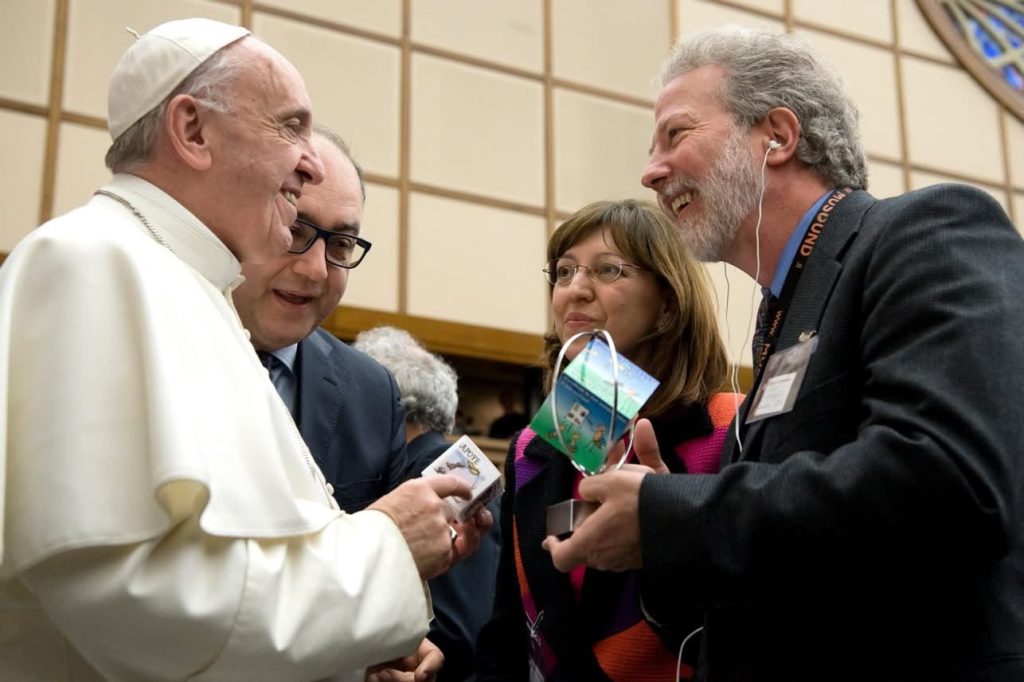
It all revolves around what Pope Francis called “integral ecology”, based on the idea that “we are all connected”. We cannot address environmental problems as isolated issues, because they are interconnected with social, religious and economic challenges. Thirty years ago, it was easy to recognize these connections: my company, which was part of the Economy of Communion, addressed environmental issues while also helping to tackle poverty and social problems. Over time, it became increasingly clear that all Economy of Communion businesses have a responsibility towards the planet. Believing in “communion” means understanding that it is not simply about generating profits to be given to the poor, but about building deep, personal relationships with employees, customers, and local and global communities. It means considering the impact our actions will have on future generations and embracing the ideal of unity, which creates thousands of opportunities for a society in which “no one is in need”.
To what extent has this Encyclical influenced your work?
Laudato Si’ has allowed me to put into words what I was already experiencing: a commitment to the planet that was already an integral part of my faith. It helped me understand that this commitment could not be limited to words or thoughts; concrete action in favor of the planet was necessary. Living the Gospel in every moment, alongside the people God places in our lives, is our vocation as Christians. One could also say that we have brought Saint Francis out of the gardens and into the streets, into direct contact with those in need.
What level of awareness do you see today regarding the need for more sustainable models?
Awareness is growing, slowly but steadily, although I often feel frustrated by the pace of the process. The planet reminds us of this through floods, droughts and wildfires. In my previous role as Global Director of the Vatican’s Laudato Si’ Action Platform (LSAP), I witnessed a growing number of families, schools, universities, parishes, dioceses, religious congregations and businesses recognizing that sustainability is essential. Since the LSAP was launched in November 2021, more than 13,500 organizations, families and individuals have committed to developing concrete plans inspired by Laudato Si’. We estimate that this commitment involves approximately 170 million Catholics worldwide, out of a total of around 1.4 billion. This is not yet enough, but it represents a significant step forward compared with where we started.
Your company has introduced the “Business Cube”, inspired by Chiara Lubich’s “Cube of Love”, to explain the values of the EdC to your employees. What exactly is it?
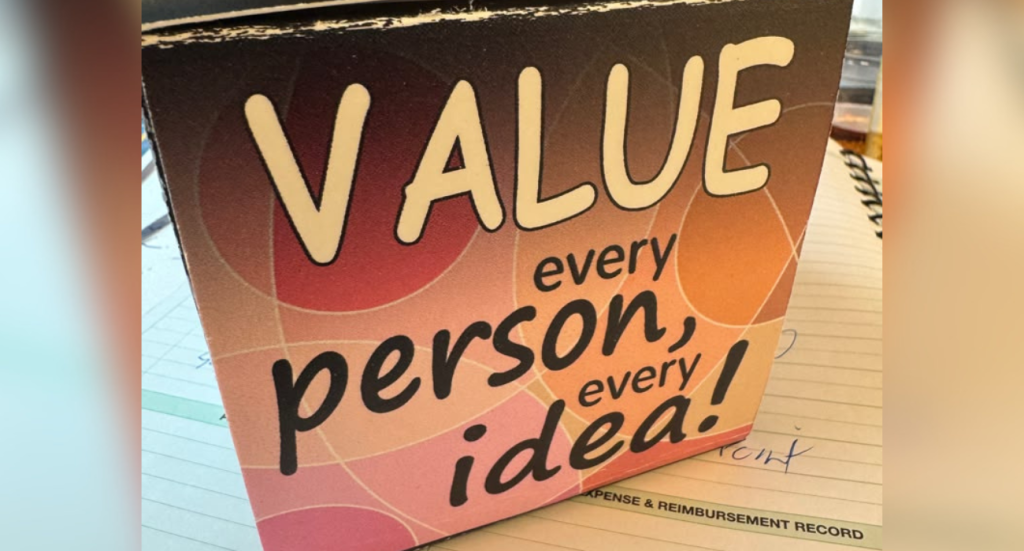
After celebrating twenty years of the EdC in Brazil, it became clear that the initiative was expanding its reach beyond the Focolare Movement. More and more people were asking: “What is an EdC business, and how does it operate?” Our employees – many of whom were not members of the Movement – were also asking questions about the EdC and how we should relate to customers, communities and competitors. “What makes us unique and different from others?” I drew inspiration from Chiara Lubich’s “Cube of Love”, which serves as a reminder of how we should live. Together with some young EdC interns, we identified six messages to place on the six faces of the cube. These communicate the values of the EdC and provide guidance on how to behave in the workplace.
What are they?
“Build relationships every day!” (Love everyone); “Be the first to help others!” (Love first); “Support others through actions, not just words!” (Love concretely); “Share your skills, your time and yourself!” (Share in the joys and sorrows of others); “Value every person and every idea!” (Love others as yourself); and “Even competitors can be friends!” (Love your enemies). In a short time, the “Business Cube” was translated into eight languages, made its way onto Facebook and became part of the daily life of our businesses. This was also the period when, after twenty years of the EdC, we began to put into writing what it means to be an Economy of Communion business: its mission and vision, while collecting numerous practical examples of its ideals being translated into action.
You provided financial support for the “Seed Funding” programme run by the NGO New Humanity International, through which 15 projects were selected. What were your impressions?
We were thrilled by the passion and ideas expressed in all the applications received from around the world, and by the fact that young people were taking the initiative to promote these ideas. We knew that, although these were “small” projects, completing them would represent an important step forward both for the youth involved and for the movement itself. Sometimes all it takes is a little “push” for great things to happen! The projects – from Africa, South America, the Middle East, India/Pakistan and the Philippines – covered a wide range of areas, including community-based recycling, tree planting and organic farming, all led by the youth. We were so pleased with these initiatives that we decided to allocate additional funding for the following year.
How can we reconcile the economy, people and the environment today? Why is it important to fight to put people back at the centre, at a time when they are often pushed to the margins by powerful economic interests?
This question is particularly close to my heart. I come from the United States, which is going through an especially challenging period. The government has attempted to dismantle key environmental laws and has cut aid to the rest of the world. Many of us are working to raise public awareness and encourage people to vote in the upcoming elections. This is a crucial commitment, because the world is no longer that “small place” where we can afford to delude ourselves into thinking that we can act in isolation. “We are all connected!”, after all. The fight against large multinational corporations and the billionaires who run them ultimately aims to ensure that the common good is protected and that even “the least among us” can thrive. I firmly believe that the key lies in our hands.