

 EN
EN
The Re-Imagine Peace Festival: an Ode to Peace in Florence
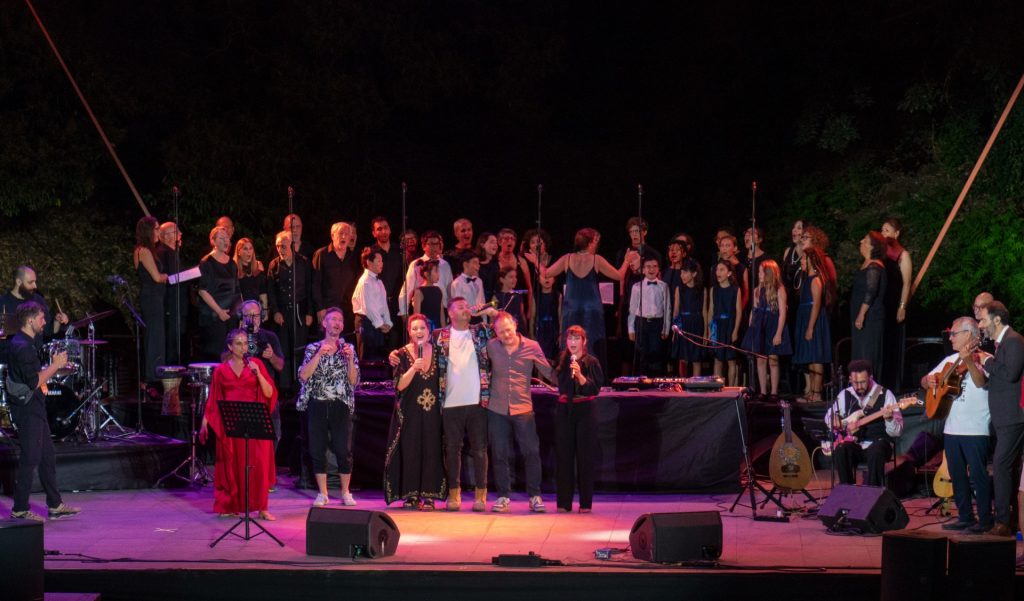
The three-day festival that made Florence the Capital of Peace. From the choice of venues and themes to the people who took part, every aspect of the event was a hugely encouraging step towards seeing the light as our inevitable destination.
Anyone looking down on Florence from the San Miniato al Monte Basilica cannot help but feel a sense of gratitude for its beauty. You can look at the city from above, from one of its most evocative vantage points, and not think about its congestion and construction problems, the housing crisis, overtourism driving people away, the city’s deteriorating cleanliness, or its waste management issues. You can choose not to confront the social and human problems faced by any city. From San Miniato al Monte all you can see is the light shining through each window. The problems still exist, but your perspective makes all the difference.
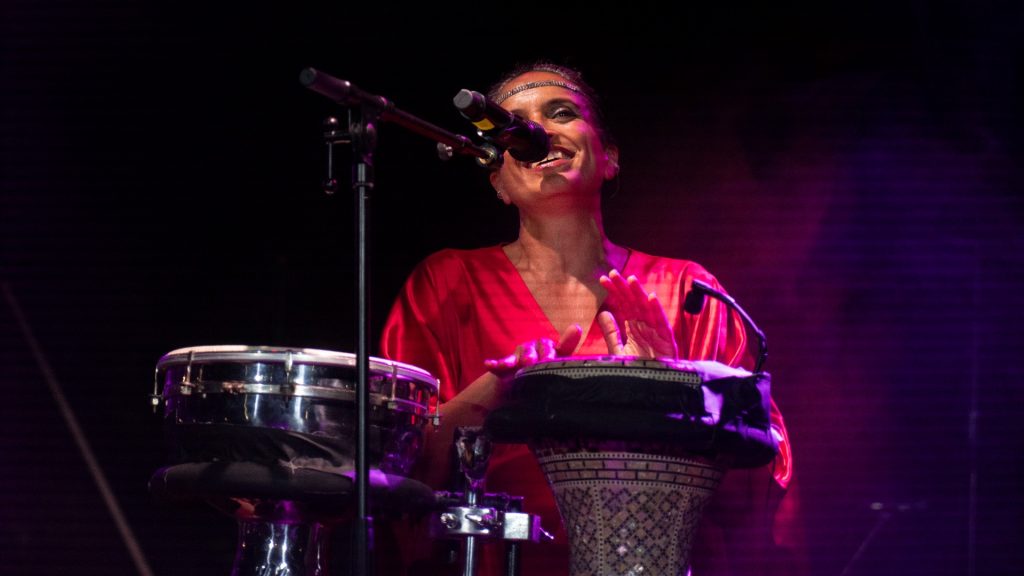
The Re-Imagine Peace Festival: Three Days of Dialogue, Art, and Reconciliation
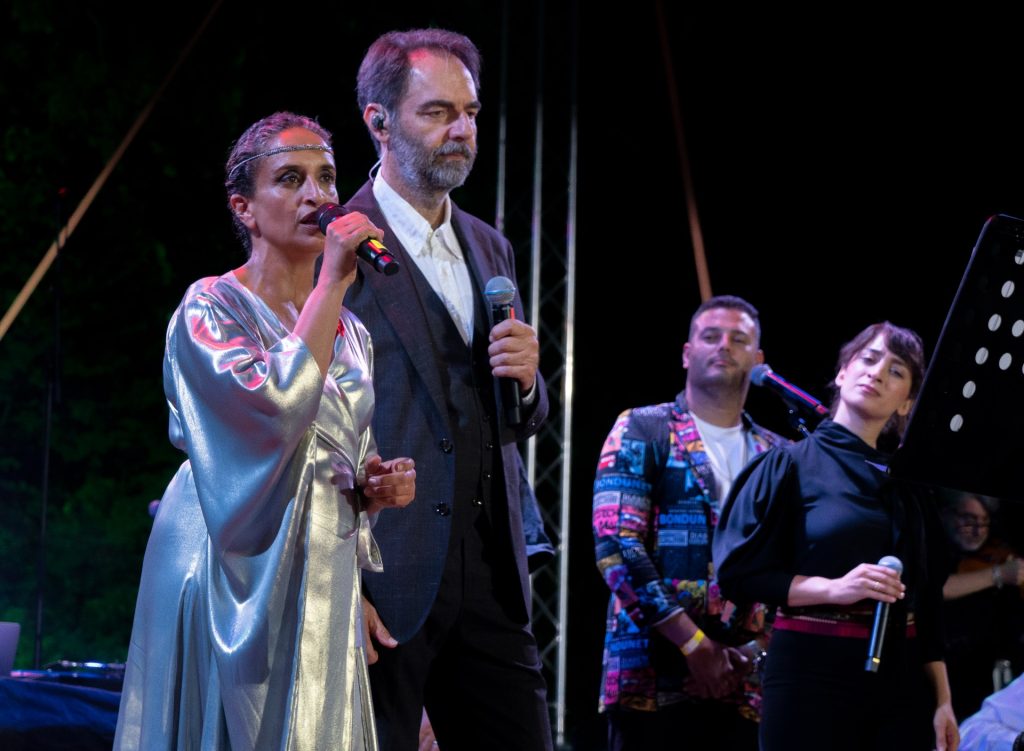
The Re-Imagine Peace Festival took place from 10 to 12 July, and although it was hosted in the city of Florence, symbolically, the entire world experienced it. The regional capital of Florence truly became the Capital of Peace and Fraternity, with a programme of events scattered across the city: from the church of San Salvatore al Monte to the Badia Fiorentina; from the Parco delle Cascine amphitheatre to the Manifattura Tabacchi; from the Teatro Nazionale all the way to the San Miniato al Monte Basilica, which acted as the finishing line for a proposed interreligious walk for peace. Social, civil, and religious sites around the city that have become intertwined with its journey to spark fraternity, almost as if the city is shouting to everyone, ‘Yes, there are problems. The light does not hide the shadows, and in fact, perhaps emphasises them. But we can traverse the shadows together to find a light that is created by everyone, for everyone. That light is called peace.’
So keep it coming, all the concerts, films, exchanges, debates, performances, moments of dialogue and cultural insight, as well as experiences in the city and beyond. For example, the story of Bushra Awad and Robi Damelin: two mothers, one from Palestine and one from Israel, who lost their children in the conflict. United by their profound pain, they now share the common goal of finding reconciliation and peace. Or the story of Maoz Inon, the Israeli entrepreneur who, along with Palestinian Aziz Abu Sarah, has become a symbol of the alternative to hate.
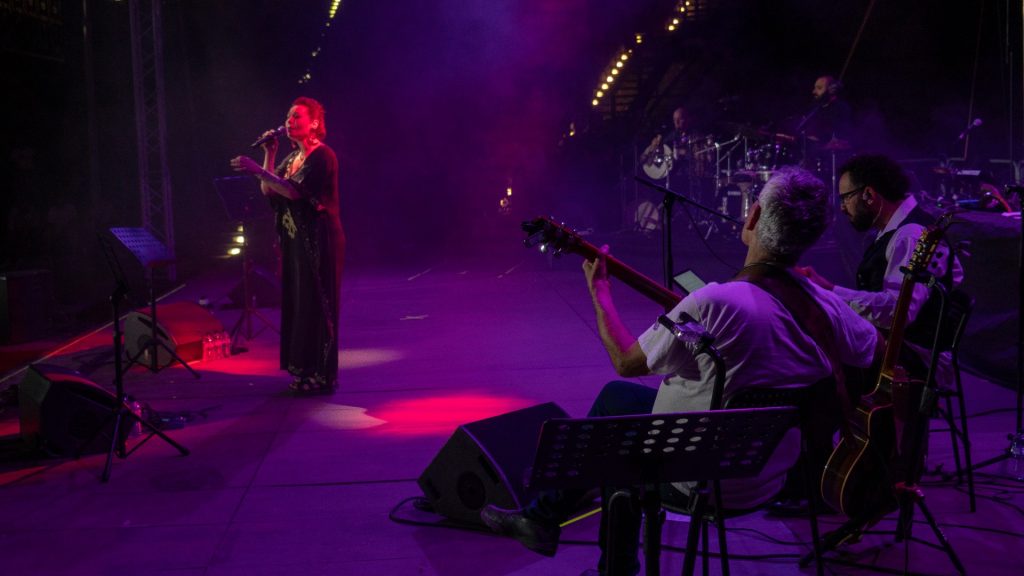
Every moment was conceived as an opportunity to listen and discuss, to say, ‘Yes, peace is possible.’ Artists, writers, and directors took part from all over the world, particularly from Israel, Palestine, and Italy. Peace activists came together with the Patriarch of Jerusalem, Cardinal Pierbattista Pizzaballa, who was interviewed at the final concert on Sunday, 12 July, at Parco delle Cascine. The cardinal invited everyone to leave behind ‘the narratives that reassure us’, and ‘open our borders and our doors’. Peace is ‘an exercise in imagination: to see another human being in the “other”.’ Just like the light and shadow exercise discussed earlier…
Florence: a City That Chooses Dialogue
The project began with a simple premise: to foreground listening, the human experience, and opportunities to share diverse stories and perspectives on art and culture. Florence was the ideal setting for such a journey, drawing on the civic legacy of figures like Giorgio La Pira and Mario Primicerio. We then needed an artist’s intuition. The Israeli singer Noa teamed up with Gil Dor and Palestinian artist Mira Awad to shape the festival’s artistic direction. She is the one who suggested Florence as the event’s host city, after meeting its extraordinary mayor, La Pira, and having seen over the course of several years how the city is a place of collaboration. At key moments during the festival, leaders of the three major monotheistic faiths’ religious communities came together: from the city’s archbishop, Mgr Gherardo Gambelli, to the Imam of Florence, Izzedin Elzir; from the Chief Rabbi of the Jewish Community of Florence, Gad Fernando Piperno, to the representative for Christian Churches, Pastor Saverio Scuccimarri.
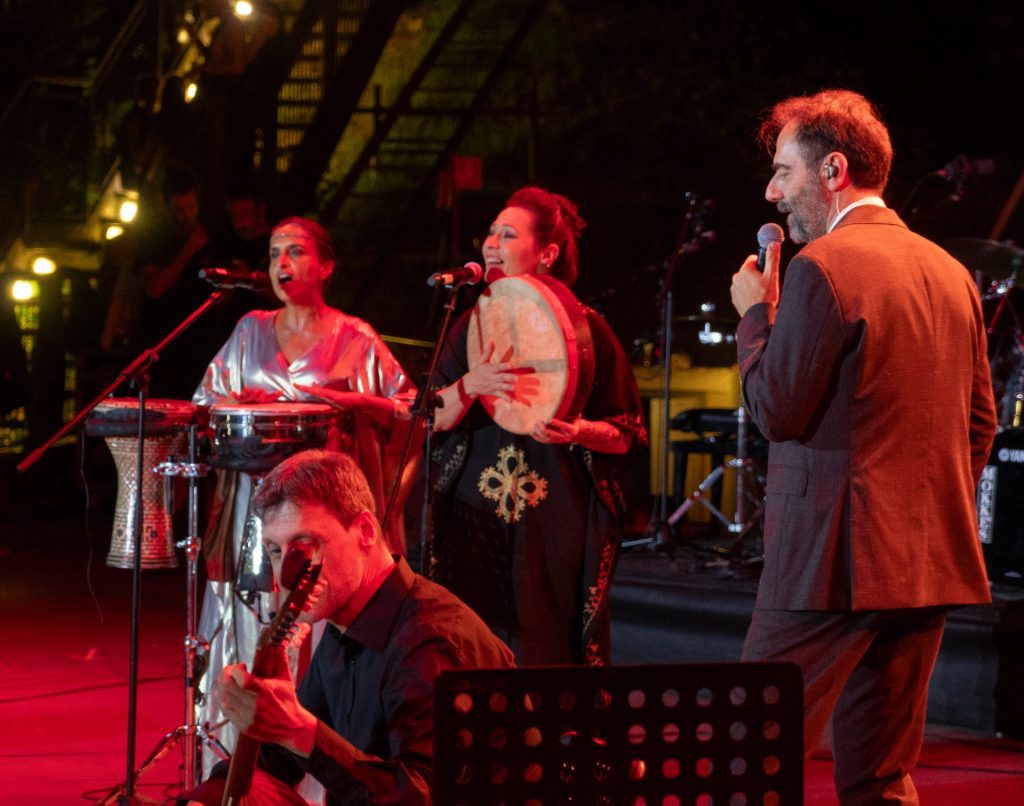
The Giorgio La Pira Foundation, the Opera per la Gioventù group, the Centro Internazionale Studenti Giorgio La Pira, the comune of Florence, and the Archdiocese of Florence joined forces with a diverse network of initiatives that have always worked for dialogue and peace in the city. Each wanted to back this unity-driven initiative that believes peace is either won together or not won at all. Over the course of the three-day festival it became clear what our next step is: to keep going in the face of the thousands of problems no one can deny exist, to keep seeing the light as our inevitable destination.
Translated into English by Becca Webley