

 EN
How social media acts as a virtual gallery to build cultural community
By Saadia Ajbaili
Platforms like Instagram, TikTok, and Facebook are evolving beyond entertainment into spaces for connection. By sharing art, traditions, and personal stories, global communities preserve cultural heritage, bridge generations, and foster inclusion across digital borders.
Art has always had the power to bring people together. It creates opportunities to share experiences, communicate across cultural boundaries and find common ground through creativity. Traditionally, galleries, museums and cultural spaces have provided places for these encounters. Today, however, social media platforms such as Instagram, TikTok and Facebook are opening up new possibilities. They are transforming digital spaces into virtual galleries where people can discover, share and engage with art.
Beyond displaying creative work, these platforms allow communities to grow around shared interests, cultural identities and forms of expression. A photograph, a painting, a video or a creative project can travel across borders, reach people from different backgrounds and start conversations that might not otherwise take place. Through comments, shared content, online initiatives and collaborative projects, people become active participants rather than simply observers.
In this sense, social media can become more than a tool for sharing content or entertainment. It can serve as a meeting place where people exchange ideas, celebrate cultural diversity, preserve collective memories and develop a sense of belonging. But how can these digital spaces help people build meaningful connections?
Different platforms, different possibilities
Social media platforms offer different ways for people to connect.
- Instagram allows communities to grow through photographs, visual storytelling and shared interests.
- TikTok offers opportunities to communicate through short videos, music and creative expresión.
- Facebook provides spaces for groups, discussions and community activities. Through hashtags, comments and shared content, people can discover others with similar interests and take part in initiatives, even when they live far apart.
These platforms also give individuals and communities the opportunity to share their traditions, languages and cultural identities with wider audiences. This can be particularly important for marginalised and diasporic communities, whose experiences may receive less attention in traditional media. By sharing photographs, videos, personal stories and cultural celebrations, people can maintain connections with their heritage while introducing others to their traditions.
Social media can also help connect different generations. Younger people can explore and express their cultural heritage through music, fashion, storytelling and other forms of digital content. At the same time, online projects can help preserve languages, traditions and collective memories. In this way, cultural knowledge can be shared between generations and reach people beyond geographical borders.
From sharing stories to building community
Beyond cultural representation, social media can give visibility to initiatives that promote equality, inclusion and solidarity. Through creative campaigns, personal stories and collaborative projects, individuals and organisations can raise awareness of social issues and encourage people to take part in shared causes.
Movements such as #BlackLivesMatter show how digital platforms can bring individual experiences together and give visibility to collective demands. Similarly, Indigenous creators use Instagram and TikTok to share traditional crafts, languages and cultural practices, helping preserve their heritage and introduce it to wider audiences.
Online communities can also offer spaces for people who might otherwise feel isolated or excluded. They allow individuals to share experiences, exchange knowledge and support one another. People from different cultural, social and geographical backgrounds can take part in discussions, discover common interests and develop relationships. Features such as video captions and image descriptions can also make digital content more accessible to people with disabilities.
Through these exchanges, social media can encourage curiosity about other people’s experiences and create opportunities for mutual understanding. A photograph, a personal story or a creative project can become the starting point for a conversation between people who might never otherwise have met.
Stories that bring communities together
These possibilities become clearer when we look at initiatives that use digital platforms to share culture, creativity and personal experiences. Across different communities, individuals and organisations are finding ways to use social media not only to showcase their traditions, but also to invite others to participate and connect.
One example is CIEDAR’s #BeadAndThrive initiative in Canada, which uses social media to share Indigenous beading traditions and cultural knowledge. Through online content, workshops and collaborations with the Ottawa Art Gallery, the project creates opportunities for Indigenous communities to share their artistic practices and strengthen cultural connections. Here, creativity becomes a way of bringing people together while keeping cultural knowledge alive.
Another example comes from Guatemala. In 2016, IDEO.org worked with Mercy Corps Guatemala and USAID’s Convivimos programme to support young people in communities affected by violence and poverty. The project recognised that young people could play an important role in improving their neighbourhoods if they were given opportunities to express themselves and participate.
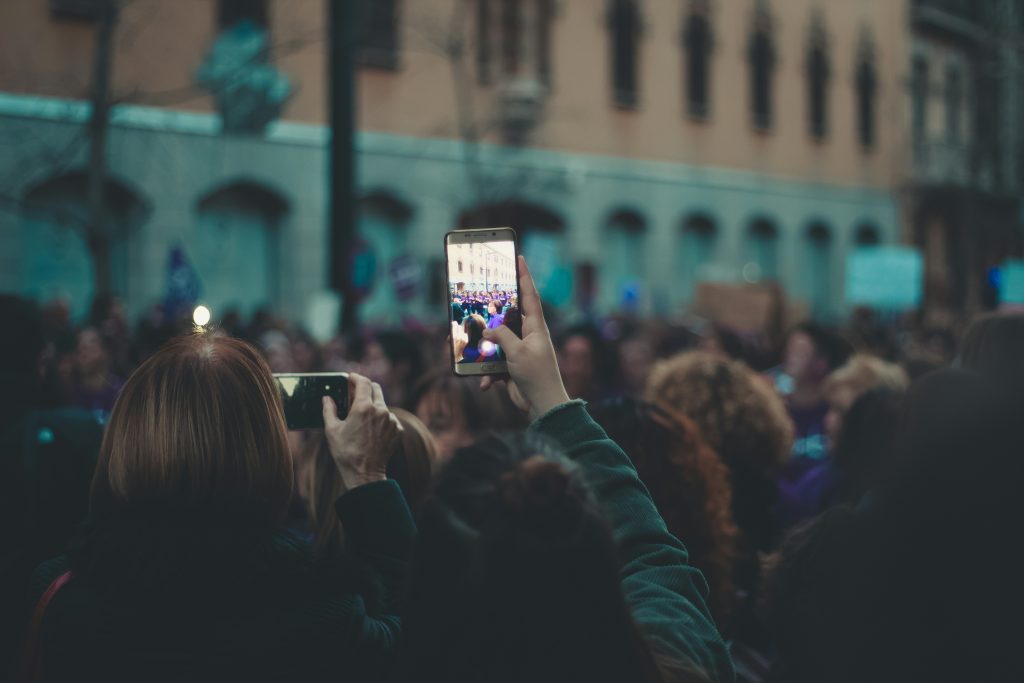
This led to the creation of Colectivo Chapin, a youth-led digital network that shared positive stories about local communities. A travelling radio booth also allowed teenagers to record their experiences and share them on Facebook. The project involved seven local schools and gave young people an opportunity to tell their own stories, challenge negative stereotypes about their neighbourhoods and encourage others to take part in improving their communities. Rather than allowing others to define their identities, they could present their own experiences and highlight the positive changes taking place around them.
Social media can also bring people together through everyday experiences. The UN Human Rights #MyGreatStory campaign, launched in Australia, shared videos of people from different migrant backgrounds preparing food and telling personal stories. By bringing people together around cooking and cultural traditions, the campaign showed how something familiar and ordinary can become an opportunity to discover other cultures and find common ground.
A gallery without borders
These examples show how social media can give visibility to stories that might otherwise remain within local communities. Whether through art, cultural traditions or personal experiences, people can share parts of their lives, discover different perspectives and find common interests.
Like a traditional gallery, a virtual gallery brings different stories and forms of expression together. But it also allows people to respond, participate, and contribute their own experiences. Its value lies not only in what is displayed, but also in the connections that can grow around it.
Ultimately, building a sense of community begins with the willingness to share, listen, and discover one another. What stories are we choosing to share, and how can we use our digital spaces to bring people closer together?