
 EN
EN
Peace & Human Rights


Stories from around the globe show how a united world is already in motion. This platform highlights experiences, initiatives, and projects from people and communities working for unity and peace. Explore what’s happening and get inspired.
<p><em>Censis studies revealed an Italy more altruistic</em></p> <p><strong>Rome, November 6 -</strong> A majority of Italians are spiritual, altruistic, and still willing to fight for a better society, according to the latest research by the Center for Social Investment Studies (Censis). In its report released Wednesday and titled 'Italian Values in 2013: The Pendulum Returns', Censis asked respondents what they get the biggest charge out of: 59% said spirituality, 46.2% said family, 36.9% said being in love, and 29.5% said helping those in need.These were followed by making money (26.6%), being with friends (25.3%), and going to the gym (16%).</p>
<p><em><span face="Arial, Verdana, Helvetica, 'Helvetica Neue', Verdana, sans-serif" style="font-family: Arial, Verdana, Helvetica, 'Helvetica Neue', Verdana, sans-serif;">The new Marmaray tunnel to cross the Bosphorus Strait in just four minutes.</span></em></p> <p style="text-align: left;"><strong><span face="Arial, Verdana, Helvetica, 'Helvetica Neue', Verdana, sans-serif" style="font-family: Arial, Verdana, Helvetica, 'Helvetica Neue', Verdana, sans-serif;">It </span>is now possible to cross the Bosphorus Strait –</strong> from Asia to Europe in just four minutes by the new Marmaray tunnel. It is the realisation of a project dreamt up by Ottoman sultans more than a century ago.The tunnel is the world’s first connecting two continents and was inaugurated on the 90th anniversary of the Republic of Turkey.</p> <p><strong>The engineering feat spans 13 kilometres</strong> and will carry subway commuters in Istanbul, which is Europe’s biggest city with a population of 15 million people. An estimated two million cross the Bosphorus Strait daily. Work began in 2004 on what is one of Turkish Prime Minister Recep Tayyip Erdogan pet projects designed to change the face of Turkey.Archaeological excavations delayed completion. Eventually the tunnel will serve high-speed and freight trains.
<p><em>7.2 magnitude in Bohol. The <a href="http://giovaniperunmondounito.blogspot.it/" target="_blank">Youth for a United World</a> did something for them with the support of the community</em>.</p> <p><strong>“Seeing the devastating effects on the news during the aftermath of the earthquake in Bohol</strong>, I knew I wanted to do something concrete for the victims. I especially wanted to make these people feel the love of God in these moments, wherein they may feel that all hope is lost. I was very privileged to be given the chance to do so. At first, I was scared because of the aftershocks that occur once in a while, but I knew that these are small trials, compared to the suffering of the families who lost their homes and loved ones because of the calamity. With the support of the Focolare community, we went to Bohol with around 15 <a href="http://giovaniperunmondounito.blogspot.it/" target="_blank">Youth for a United World</a> and some adults from Manila and Cebu. Upon arrival, we immediately packed 200 bags containing mats, blankets and materials for making tents for them to live in. We heard that this is what they needed most. It was a very joyful atmosphere even though it was hard work because we knew we were doing it out of love. It took us several hours to finish, until midnight, and only had a few hours to rest.
<p><em>Young people travelled 20 days across Europe and Asia to send out a signal against the division of Korea – and for peace in the country which has been split in two for 63 years.</em></p> <p><strong>“They’re coming, they’re coming,”</strong> shouts a young women, looking toward the train pulling into platform 6 at Busan Station. When the doors open, people get off with large suitcases. They look tired – yet incredibly happy at the same time. They’ve travelled from Berlin to Busan, 20 days across Europe and Asia. Their objective: to send out a signal against the division of Korea – and for peace in the country which has been split in two for 63 years.</p> <p><strong>The “Peace Train”, as the project is called</strong>, is part of a peace initiative of the National Council of Churches in Korea which aims to raise awareness of the East Asian country’s continuing division and to campaign for its reunification. Around 120 participants covered a distance of some 10,500 kilometers en route to the 10th Assembly of the World Council of Churches taking place in Busan from 30 October to 8 November. The project was supported by several national church organizations.</p>
<p><em>When transparency and integrity lead to unexpected solutions. The courage of a group of workers connected to an NGO in Angola makes them a reference point of reliability and honesty.</em></p> <p><strong>«I’ve been working in an NGO since 2008</strong>. I started out in this job coordinating an area under the direction of the executive director. Then, in the end of 2010 I took some holidays. When I returned to work, I found that the executive director had offered her resignation and I was asked to take her place. When I began, I found things that were left suspended and among them something rather delicate.</p> <p><strong>It had to do with theft.</strong> During 2007 and 2008 the ex-director had stolen the taxes from the salaries of the workers and from the NGO, and had not paid them to the State. And so we had to pay a fine of some 75,000 dollars, which was an enormous amount for our organization. Perhaps to cover up what she had done, the former director had paid a certain amount on behalf of each worker that corresponded to the amount that had been deducted from their salary in those years. And she kept for himself the amount that the organization was expected to pay to the State.
<p> </p> <p><em>Working for strategic recommendations 2015-2012 at the second day of the Forum. We follow the work from Paris with the Youth for a United World .</em></p> <p><strong>30 of October - Day 2</strong>. " Here at the Forum we will continue to work on recommendations for the Operational Strategy on Youth 2015-2021. We talk about the review of policies of UNESCO , capacity development for the transition to adult life and civic engagement .</p> <p><strong>"During the work session</strong> on the third theme (civil commitment , ndr.) we began to share some of our concrete experiences in this field. Soon after some others joined to tell the deeds done. At this point the moderator has proposed to suggest the creation of a mapping of good practice.</p> <p><strong>"It's a bit ' late</strong> and at this point the ' team ' greets you and we’ll update you tomorrow , the day when the final recommendations will be adopted and put on the final document ."</p>
<p><em>From 29 to 31 October 2013, the Youth for a United World are participating with the United World Project to the eighth edition of the event promoted from the Organization of the United Nations Educational, Scientific and Cultural Organization. The expectations and hopes for the start of the Forum. The commitment to the fraternity. From the headquarters in Paris the story of this first day</em></p> <p><strong>29 of October - Day 1</strong>. "Today we were all together and we did four hours of work. We covered several topics concerning the ' UNESCO , the NGO New Humanity and what we could bring to the Forum.<br />" We toured the headquarters of UNESCO : revolutionized to set up the organization of the Forum, invaded by young volunteers who prepared the whole event.</p> <p><strong>"We feel that the biggest responsibility is</strong> initiating this path and understand more about how to bring our contribution for a united world. The UN and UNESCO organizations are animated by our own dreams of a united world. And we do not believe in the brotherhood because we like the idea, but we live it , see it , why we believe it. The fragments of fraternity and the Genfest are experieces of fraternity.
<p><em>The commitment to work for unity, an aspiration written on the human heart, opens new trails and generates relief from pain. This is an experience <a href="http://giovaniperunmondounito.blogspot.it/" target="_blank">Youth for a United World (Y4UW)</a> group from Egypt working with refugees from Eritrea, Ethiopia and Sudan.</em></p> <p><strong>Hearing of a jail for “special cases,”</strong> the <a href="http://giovaniperunmondounito.blogspot.it/" target="_blank">Y4UW</a> decided to look further into the situation. At the jail they found men, women and children, mostly Christians from Eritrea. Their story was one of incredible pain. In an attempt to seek a better place than their own land, they discovered instead that they had fallen into the trap of human organ trafficking and would soon be among the anonymous dead. When they realized this, they fled over the border and took refuge in Egypt. Without documents they were arrested and jailed. This is where the Focolare <a href="http://giovaniperunmondounito.blogspot.it/" target="_blank">Youth for a United World </a>met them waiting for a way back to Eritrea.</p> <p><strong>Abdo who is a firsthand witness, recounts</strong>: “With the help of a missionary and the <a href="http://giovaniperunmondounito.blogspot.it/" target="_blank">Y4UW</a>, we were able to go into the jail. We were enthusiastic about offering help, but we never imagined the suffering we would touch with our own hands. There was a scarcity of food and hygiene; and medical care was non-existent inside the jail that had once been an army barracks.</p>
 Health, Sport & Ecology
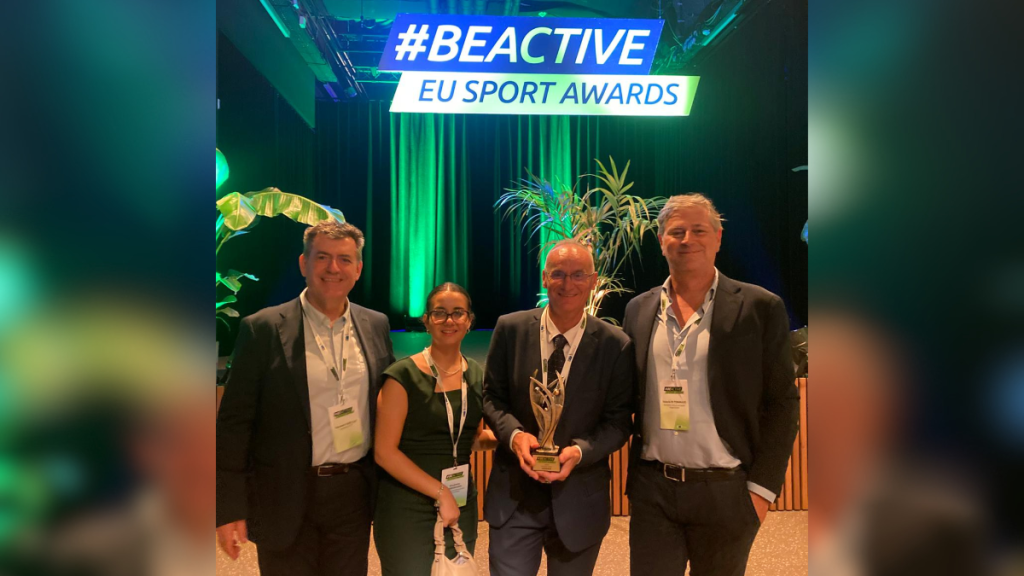
Run4Unity has received the prestigious BeActive EU Sport Awards from the European Union in the “sports and peace” category, recognising more than twenty years of work promoting fraternity, inclusion and a culture of peace through sports.
 Dialogue & Interculture
 Dialogue & Interculture
 Peace & Human Rights
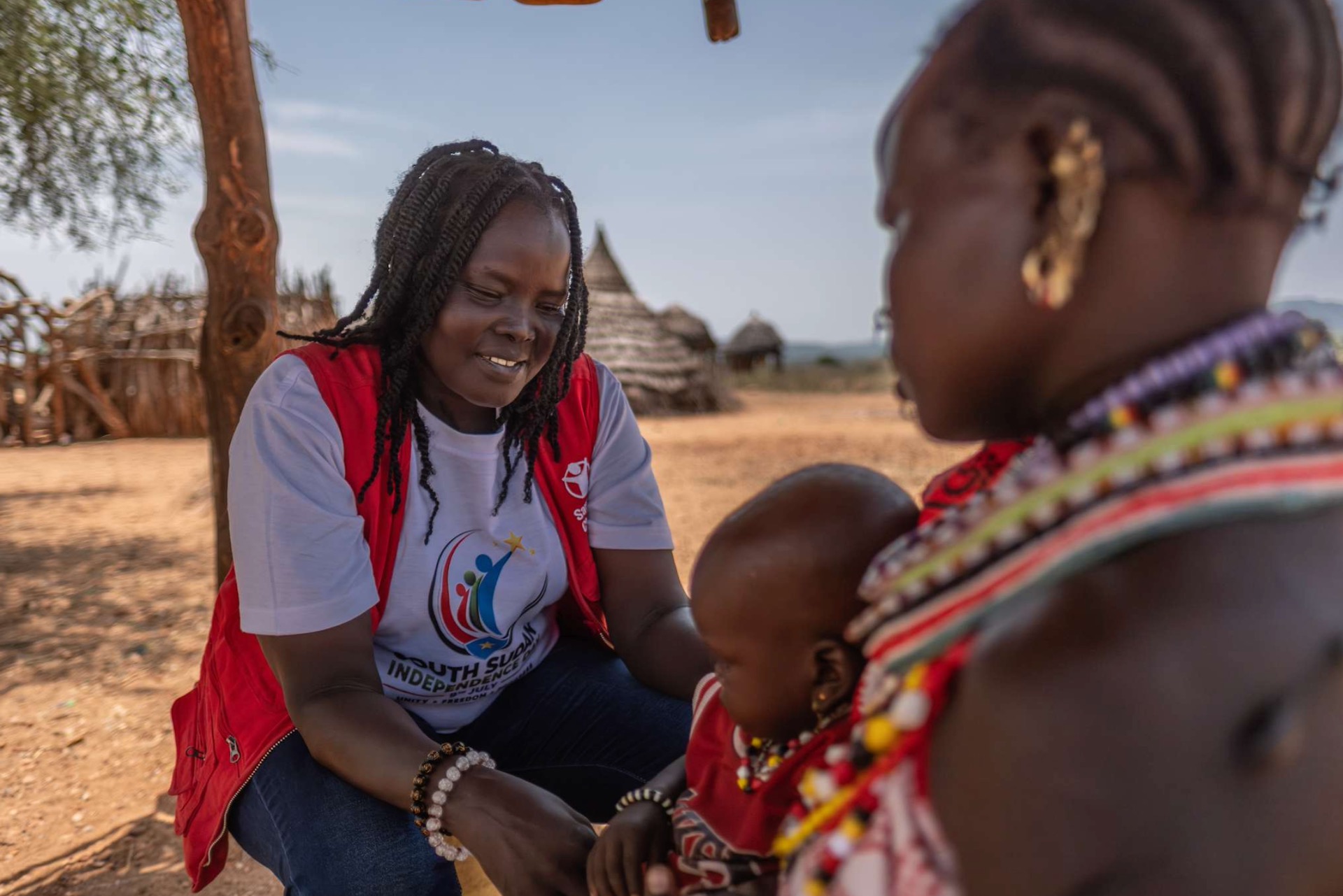
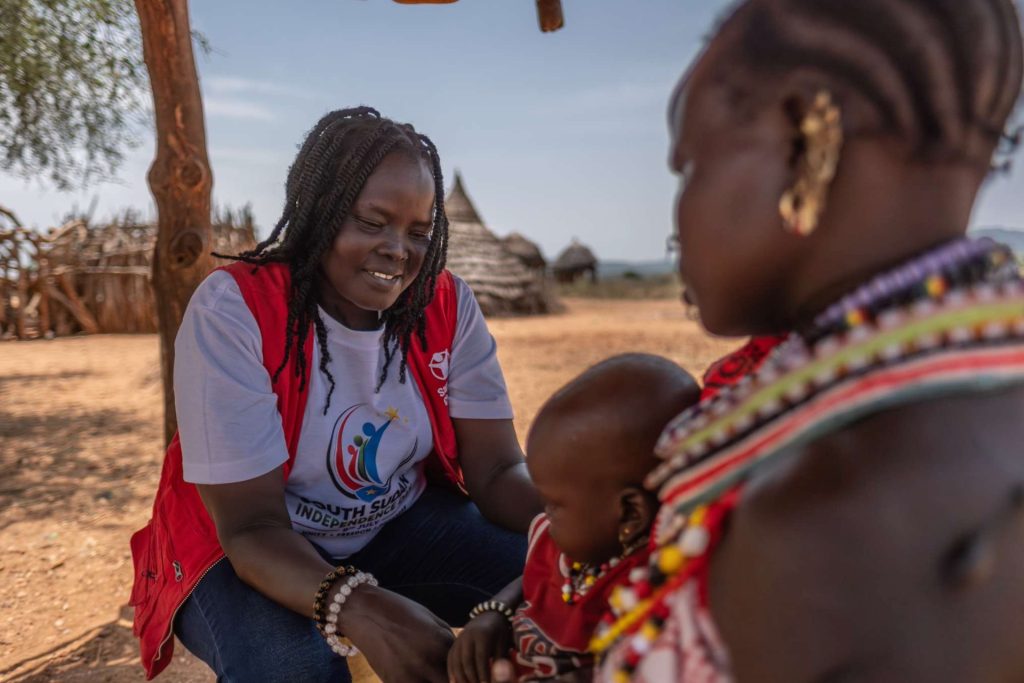
Elena Gentili of Save the Children Italy discusses humanitarian work in emergencies, advocacy, and the importance of education and social inclusion in ensuring children’s rights.
 Active Citizenship & Politics
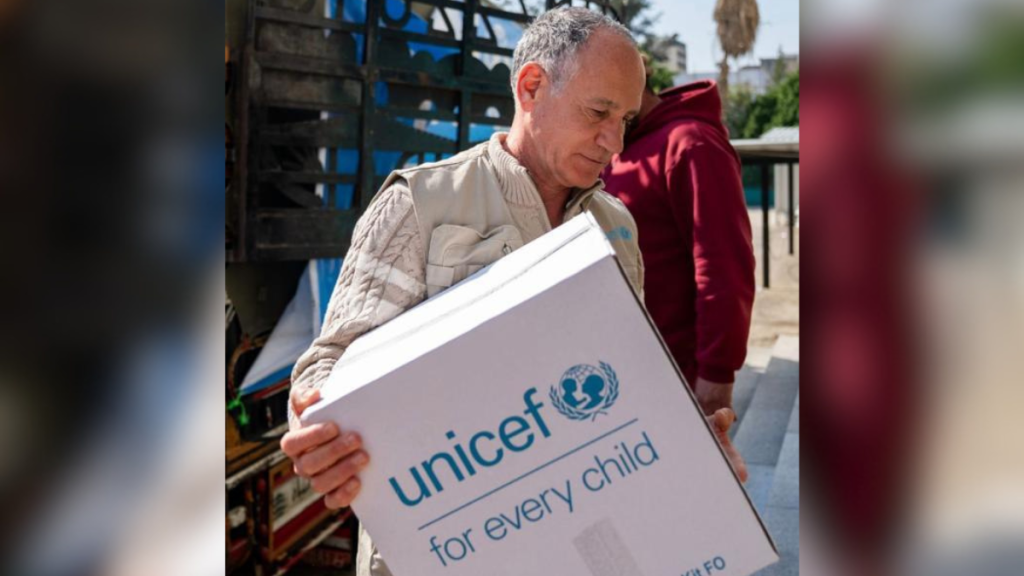
After thirty years spent in some of the world's most challenging environments, Marcoluigi Corsi, UNICEF Representative in Lebanon, reflects on child protection, hope and the humanity that endures even in the midst of war.
 Economy & Work
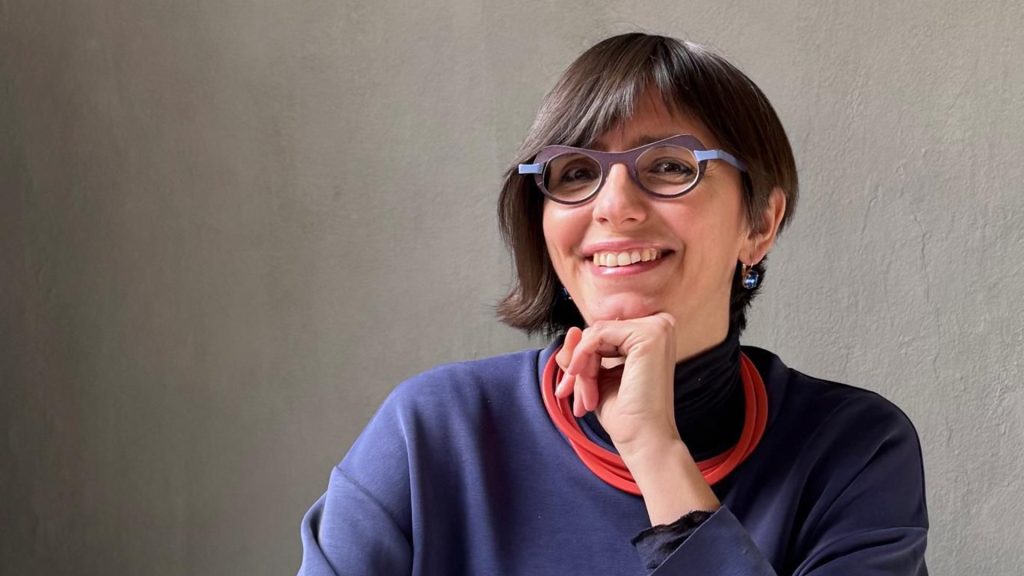
Anna Granata, professor at the University of Milano-Bicocca, reminds us that teaching peace is not an abstract utopia. It is something that happens every day in Italian classrooms among children with diverse stories, languages, and backgrounds.