

 EN
EN
From Congo to Kenya and Colombia: Leadership Schools, Care Networks, and Active Citizenship
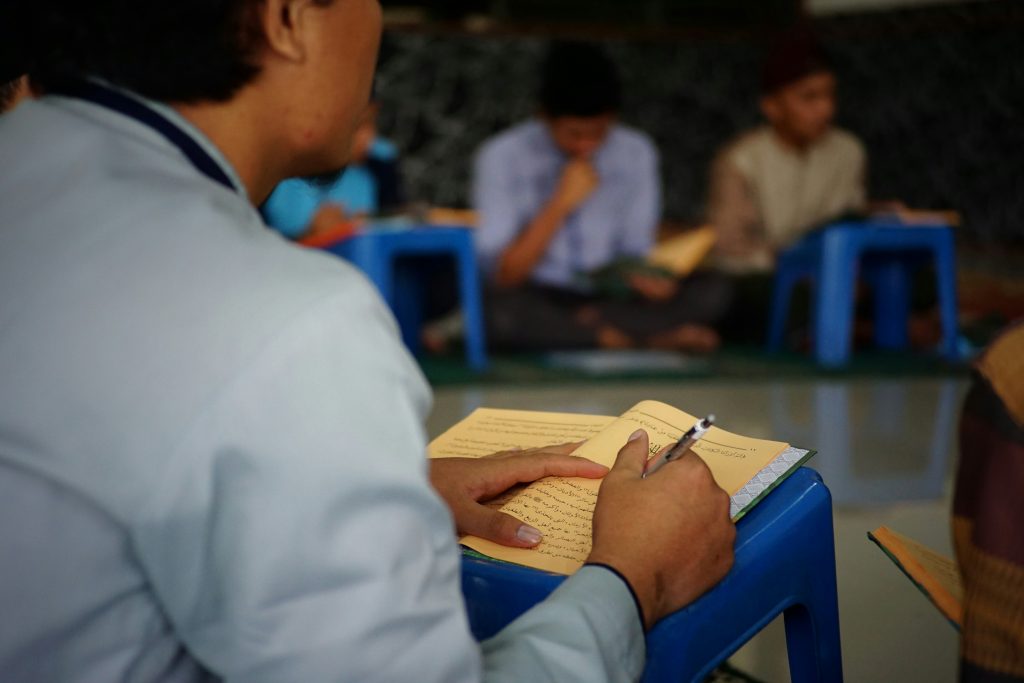
From Africa to Latin America, three initiatives are transforming communities through leadership training, stronger networks of care, and civic engagement.
As those who follow the United World Project know well, one of its three pillars is the Communities: eight distinct communities which, together, form the United World Community, a global network of people, groups, and organizations that learn, collaborate and work to build a more united and fraternal world.
Those who take part draw energy from their passions, talents, skills and aspirations. Each person contributes to shaping a community united by a common purpose and a shared vision of the world.
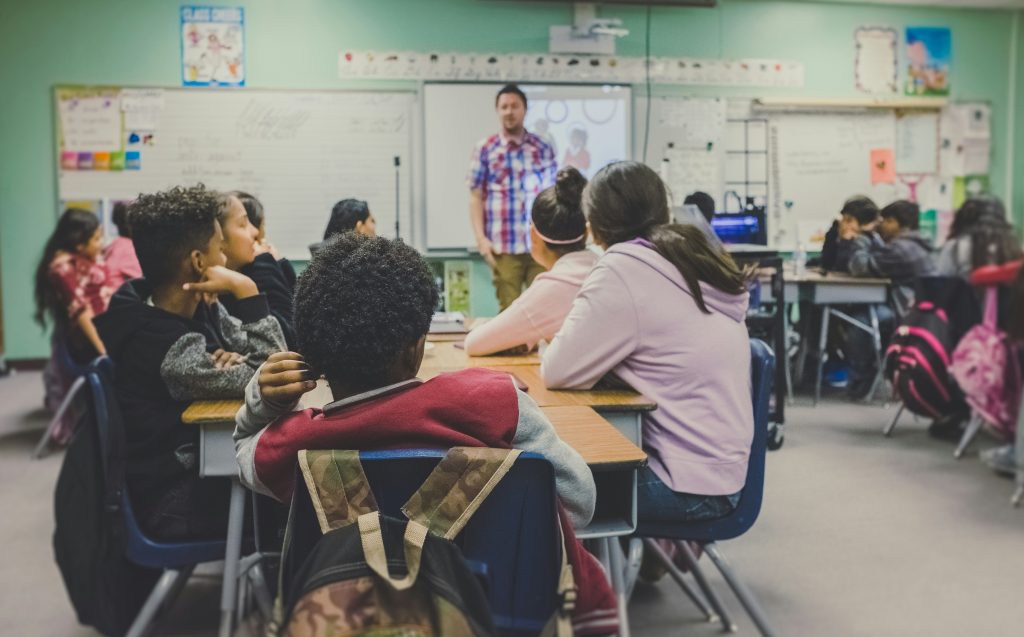
One of the eight United World Project Communities is called “Active Citizenship and Politics” and within this sphere, members have the opportunity to become agents of change, helping identify political solutions and develop initiatives that use politics and active citizenship as tools for building a more united world.
Three inspiring experiences from Africa and South America
Three encouraging examples of initiatives linked to politics and active citizenship come from Africa and South America: the Ecoforleaders School in the Democratic Republic of Congo, Empowered to Care (E2C) in Kenya, and the Centro Integral del Cuidado Comunitario (CINCO) in Colombia. Each demonstrates how people are mobilizing their energies for the common good, especially in support of the most vulnerable.
The Ecoforleaders School in the Democratic Republic of Congo
The first initiative comes from the Democratic Republic of Congo and is the Ecoforleaders School, also known as the Higher Institute for the Formation of Leaders for Unity. This private postgraduate institution was established between 2016 and 2017 following a sociological, anthropological and political study commissioned by the Political Movement for Unity (one of the United World Project’s partners), a branch of the Focolare Movement.
The school is promoted by Congolese university professors who collaborate with Italian universities and is officially recognized by the Congolese Ministry of Higher and University Education.
The Ecoforleaders School aims to train leaders who foster unity and work across a wide range of disciplines. These leaders are committed to upholding human rights and constitutional principles. These future leaders strive to overcome the tribal divisions that persist in the country and actively oppose corruption.
We can define this school as an incubator of Congolese thought, capable of bringing people together with the aim of building a network of resilient individuals: a sort of new elite able to persevere in its commitment to democratic values and, upon completing the school, to be active in different sectors, including economics, justice, politics, religion, communication, medicine, education, sociology, ecology, engineering, art, and sport.
The Ecoforleaders School program is inspired by the general approach and pedagogical strategy proposed by “Together for a New Africa” (another partner of the United World Project) and consists of three Master’s programs.
The Ecoforleaders School has also made way to numerous initiatives concerning the rights of women, children and the elderly; reforestation and environmental awareness; the training of journalists; the inclusion of indigenous and marginalized communities; and support for families in difficulty and for an orphanage in the country.
Empowered to Care (E2C), in Kenya
The second experience in politics and active citizenship is called Empowered2Care and aims to raise awareness and strengthen the power of the youth (understood as both strength and opportunity) so that they may place themselves at the service of their communities and care for them.
It is a peer-education initiative launched by the Focolare Movement that has transformed the lives of the youth in several Kenyan communities.
The work has been carried out through training, mentoring and community leadership. Between 2024 and 2025 alone, the Empowered To Care project trained more than 70 youth from vulnerable backgrounds, many of whom have become peer educators, mentors and community builders.
Empowered To Care provides youth with the tools to develop practical skills, employment opportunities and the ability to transform precarious environments into safe spaces for adolescents, starting from informal settlements.
The project aims to have a concrete impact on local communities through community leadership and its extension into schools (after-school mentoring programs), sports associations, and religious organizations (chapel renovation projects and interfaith peacebuilding initiatives).
E2C also works on drug awareness and prevention and promotes the use of renovated libraries. Its participatory approach has inspired young people across Africa, with collaborations extending to Tanzania, Burundi, The Ivory Coast and the Democratic Republic of Congo.
A network of youth capable of caring for, leading and transforming their communities has emerged, fostering positive development through the growth of skills and sustainable livelihoods.
The Story of the Centro Integral del Cuidado Comunitario (CINCO) in Colombia
The third story of active citizenship comes from Colombia, specifically from the Centro Integral del Cuidado Comunitario (Comprehensive Community Care Center). It is a care center established in the San Bernardo neighborhood, in central Bogotá, operating around the concept of collective well-being. It mainly serves vulnerable people, including the homeless, members of indigenous communities, victims of armed conflict, people struggling with drug addiction, street vendors, waste pickers, sex workers, and other vulnerable populations.
The CINCO project is developed by the “Asimetría Cero” Foundation, which promotes democracy, civic participation and collective awareness. The initiative was created in response to the economic, social, and environmental needs of the area by connecting those with the capacity to organize and build resilient communities with the most disadvantaged sectors of the population.
CINCO works to create, strengthen, and lead networks of mutual support and solidarity. Its aim is to promote food-security initiatives, such as the establishment of a community kitchen open to the public; entrepreneurship training courses; intercultural meetings and neighborhood dialogues on local issues; and support services related to personal hygiene, care and early childhood education and the reduction of gender inequalities.
The Centro Integral del Cuidado Comunitario welcomes approximately 200 people each week for activities at the community kitchen, intercultural gatherings, recreational activities, the reclaiming of public spaces through play and early childhood development programs.
If you would like to learn more about the United World Communities and contribute to change, click here.