

 EN
EN
Dialogue & Interculture
United World Week

Stories from around the globe show how a united world is already in motion. This platform highlights experiences, initiatives, and projects from people and communities working for unity and peace. Explore what’s happening and get inspired.
<p style="text-align: justify;"><em>Today began UWW 2016, in Puembo, Ecuador.</em></p>
<p style="text-align: justify;"><em><img src="images/smu/13101195_1135784096484335_1296110950_n.jpg" alt="13101195 1135784096484335 1296110950 n" width="400" height="246" style="margin-right: 5px; margin-bottom: 5px; border: 1px solid #cccccc; float: left;" />Printed communication 30 April 2016</em></p>
<p style="text-align: justify;"><em><img src="images/photo/13129088_10154228707506995_206401132_o.jpg" alt="13129088 10154228707506995 206401132 o" width="400" height="400" style="margin-top: 5px; margin-right: 5px; margin-bottom: 5px; border: 1px solid #cccccc; float: left;" />That HIGH RESOLUTION has two (or more) meanings: means that to live for Fratenity and Peace.</em></p>
<p style="text-align: justify;"><em><img src="images/photo/13087224_1081671315226277_4142040060229512930_o.jpg" alt="13087224 1081671315226277 4142040060229512930 o" width="400" height="400" style="margin-top: 5px; margin-right: 5px; margin-bottom: 5px; border: 1px solid #cccccc; float: left;" />The 20th United Word Week has already kicked off, and in this race for us to arrive, our aeroplane left with our passengers that this year joined the middlepoint of the world.</em></p>
<p style="text-align: justify;"><em>The 16th of April , a very strong shock of earthquake (magnitude 7.8 on the Richter Scale) struck the north central of Ecuador.</em></p>
<p style="text-align: justify;"><em>Coming closer to the 20th edition of United world week that will take place from 1st to 10th May, millions of people to give a testimony that it is a time of fraternity”. A connective thread of the whole united world week will be interculturality: to enter in dialogue with the different cultures and know more, in all that must enjoy dignity which makes us equal.</em></p>
<p style="text-align: justify;"><em>Action of reception, solidarity, education to legality, civil economy and political participation enacted in Italy and in the world, at the centre of a festival for youth in Loppiano, promoted by the youth for a united world of the Focolare.</em><br /><strong><em>With the extraordinary participation of the Gen Verde and Gen Rosso.
<div><em>A small citron tree, it is the sacred symbol of Yary Mirì, the Avà Guaranì community with which a group of the Focolare Movement in Paraguay came in contact. The story of a friendship which resulted in concrete and important actions.</em></div> <p><strong></strong><strong>“Scholars estimate that from 3000 BC, </strong>populations from the Southeast Asian continent arrived here.<strong> Among them were also the Guaranì</strong> people, composed of many ethnic groups that through the centuries spread to the Caribbean up to the southernmost tip of the continent,” <strong>explained Diana Durán</strong>, a Paraguayan sociologist and scholar of the aborigines of America. The meeting with a small community of the Avà Guaranì and Mbya ethnic groups came about two years ago, when a big flood of the Paraguay river forced the indigenous group of 33 families (115 members) to abandon the unsteady settlement on the banks of the river where they used to live by gathering wastes from the dumpsite nearby<strong>.</strong></p>
<p><em>Pope Francis visited the Earth Village and the Roman Mariapoli of Focolari. The simplicity, the warmth, the commitment... He leaves aside the official message and speaks off the cuff, asking not to fear conflicts but to grasp together with risks also opportunities to change the world</em></p> <p>The news of the arrival of the Pope - a "method" that appeals to Bergoglio - came to the event Earth Village - Rome in Mariapoli like a bolt from the blue, although the sky was not very blue in this Roman spring. A few phone calls to friends, the route search of the Pope's arrival, the thrill of being able to see the most popular and the most authoritative of the world leaders. "I am happy that Pope Francis would come to this village that wants to be a small outpost of the Gospel in Rome," says Francesca, 22, a future in ONGs.</p>
 Dialogue & Interculture
United World Week
Dialogue & Interculture
United World Week
United World Project launches #ChooseToDialogue, a global invitation as part of United World Week 2026. A proposal to build spaces for encounter and share stories of impact through a powerful and necessary tool: dialogue.
 Dialogue & Interculture
 Economy & Work
 Dialogue & Interculture
United World Week
Dialogue & Interculture
United World Week
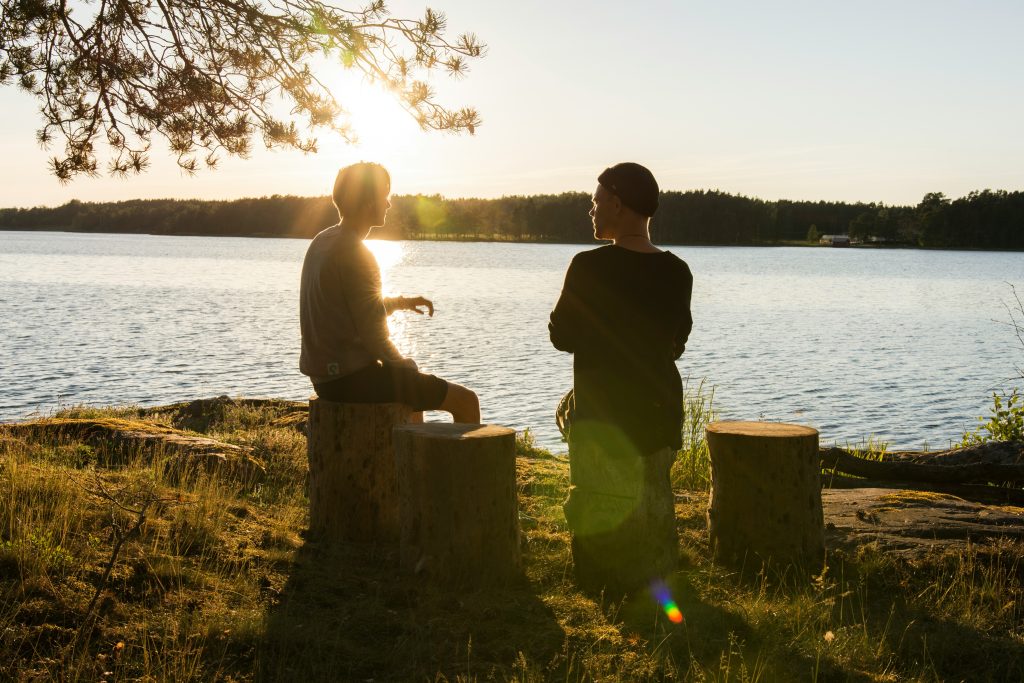
Here’s the key: knowing that we do not know. No one possesses the absolute Truth, and by engaging in dialogue with everyone we can grasp aspects or fragments of truth that help us reassemble a shattered vase that we can restore only if we are “together”.
 Economy & Work
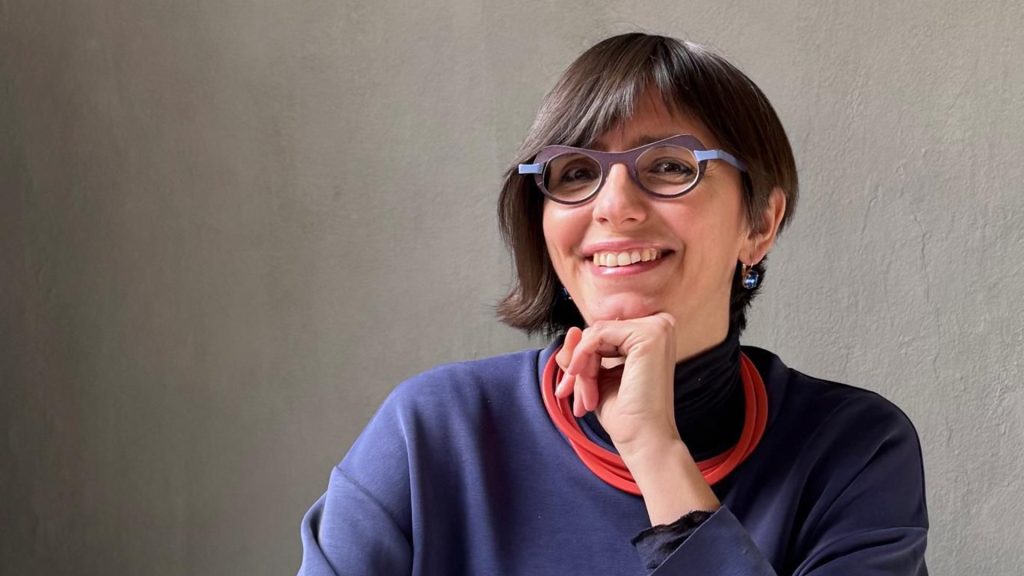
Anna Granata, professor at the University of Milano-Bicocca, reminds us that teaching peace is not an abstract utopia. It is something that happens every day in Italian classrooms among children with diverse stories, languages, and backgrounds.
 Art & Social Commitment
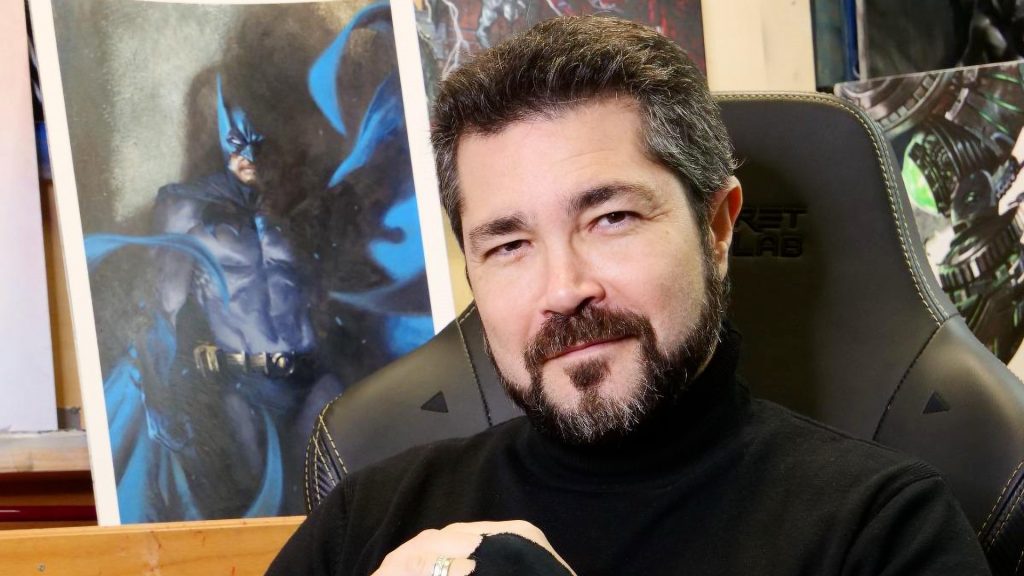
Celebrated Marvel and DC artist Gabriele Dell’Otto invites us to consider the people who are working to build peace as the real superheroes of our world. A profound discussion on responsibility, citizenship, and the challenge of doing the extraordinary in our everyday lives.