

 EN
EN
Dialogue & Interculture
United World Week

Stories from around the globe show how a united world is already in motion. This platform highlights experiences, initiatives, and projects from people and communities working for unity and peace. Explore what’s happening and get inspired.
<p style="text-align: justify;"><em>The title and theme of the recent European Assembly for Religions and Peace couldn't have been more in harmony with the events Europe is facing today.</em></p> <p style="text-align: justify;"><strong>At a distance of eight years since the last European Assembly</strong>, held in Italy on that occasion as well, representatives from different faiths and religious traditions present in Europe met for several days (Castel Gandolfo, 28-31 October) to discuss about fear: fear of differences, fear of the other, and fear of foreigners, which are current sentiments today especially after the recent tragic events in Paris and that lead to Islam-phobia and Christian-phobia. In the face of such events we have to take the great opportunities that open out at continental level, especially for the young generations.</p>
<p style="text-align: justify;"><em>Condolences from the director of the Tevere Centre for Dialogue in Rome, Italy, Mustafa Cenap Aydin in the face of the Paris attacks: responding to the “inhuman” attacks by reinforcing a spirit of unity and brotherhood.</em></p> <p style="text-align: justify;"><strong><strong>“The tragic news</strong></strong> of the horrendous terrorist attacks in the French capital has filled us with profound sorrow. Our thoughts, solidarity and prayers go to the victims, the wounded and their families, to their loved ones and to the French people.” With these words of condolence, <strong><strong>Mustafa Cenap Aydin, director of the Tevere Centre for Dialogue in Rome</strong> </strong>expressed his dismay over recent terrorist attacks in France.</p>
<p style="text-align: justify;"><em>In Kinshasa (Democratic Republic of Congo) 2,000 children launched their cry for peace. Martine, one of the educators, tells us about it</em></p> <p style="text-align: justify;"><strong><em>“</em>Just try to imagine 2,000 kids rapping in unison: “Peace! Peace!” </strong><em>War is death, peace is love. </em>And to think that all this has been happening for decades in a country torn apart by armed conflicts, the victims of which are mostly children. Now you don’t need to dream – Martine recounts – because all this really happened last 7 November in Kinshasa in the Democratic Republic of Congo.”</p>
<p style="text-align: justify;"><em>We are writing from Slovakia to tell you something of what we experienced the past weekend....</em></p> <p style="text-align: justify;">In Hungary, at the Austrian border, in recent weeks, many trains arrived with thousands of immigrants, who traveled on foot across the border and continued the journey in Austria. We realized that this was very close to the border with Slovakia and that some international and Slovak organizations had activated to bring food, clothes and medical care. So we joined this initiative with some gen, youth and adults.</p>
<p style="text-align: justify;"><em>The new wave of violence has not stopped Pope Francis from asserting that he wishes to go to the Bangui capital to open the cathedral’s holy door for the experience of fraternity among families</em></p> <p style="text-align: justify;"><strong></strong><strong>The escalation of </strong>serious <a href="http://www.focolare.org/en/news/2015/10/09/anche-la-repubblica-centro-africana-vedra-la-pace/">political-military uprisings</a> has not changed the programme of Pope Francis. An authentic messenger of peace, he announced in his sermon on All Saints Day that on 29 November he will be visiting that troubled country which has been experiencing one of the many war hotspots of the planet, for more than three years. The International Community seems to have ignored these fratricidal, forgotten wars.</p>
<p style="text-align: justify;"><em>Statement of Focolare president, Maria Voce, on the recent terrorist attacks in France.</em></p> <p style="text-align: justify;"><strong></strong><strong>“In the face of the dramatic events that took place in Paris,</strong> in addition to recent ones in many other areas of the world, we stand in mourning with those whose feelings have been wounded and with those who believe that the unity of the human family is possible.</p> <p style="text-align: justify;"><strong>Dismayed and standing in firm condemnation of such acts against human life</strong>, there arises strongly a question: Have we taken every step and every action possible to build the necessary conditions, including encouraging equality, more solidarity, more communion of goods, that preclude violence and terrorist acts?</p>
<p style="text-align: justify;"><em>President Magufuli -“Let's work together for peace and unity”</em></p> <p style="text-align: justify;">“I promise to be faithful to the promises I have made during the electoral campaign but we have to work together. Let’s do whatever it takes to guarantee peace and unity in this nation” - these were the first words of John Magufuli, victor of the elections and the next Tanzanian president, during a speech made public today at Dar es Salam.</p>
<p style="text-align: justify;"><em>Toshiko Tsuhako, from Okinowa, was 12 years old when Hiroshima and Nagasaki were destroyed by nuclear attacks. The memory of the war continues to impel her to build peace in the world.</em></p> <p style="text-align: justify;"><strong></strong><strong>“On August 22, 1944, I lost my only sister in the Tsushima maru naval disater.”</strong> The passenger ship was sunk by an American submarine. More than 1,400 civilians lost their lives, including 700 children. “Up until the day of her death at the age of 96, my mother continued to say: “The war ate her on me. . .” Mrs Toshiko Tsuhako spoke from the bottom of her heart as she recounted her story to us. Her city, on Okinowa Island, had been the theatre of the only land battle in Japan through the months of April, May and June 1945, leaving 150,000 dead.</p>
<p style="text-align: justify;"><em>The National League for Democracy party wins more than 70% of the votes. The ruling party admits defeat</em></p> <p style="text-align: justify;">The National League for Democracy party, the movement of Aung San Suu Kyi, won the presidential election in Burma defeating the military party in power and gaining "more than 70% of the votes." This was revealed by the opposition spokesman. According to local television, the ruling party, USDP, admited defeat. Celebrations in the streets of the country while San Suu Kyi called for "not provoke the defeated rivals."</p>
 Dialogue & Interculture
United World Week
Dialogue & Interculture
United World Week
United World Project launches #ChooseToDialogue, a global invitation as part of United World Week 2026. A proposal to build spaces for encounter and share stories of impact through a powerful and necessary tool: dialogue.
 Dialogue & Interculture
 Economy & Work
 Dialogue & Interculture
United World Week
Dialogue & Interculture
United World Week
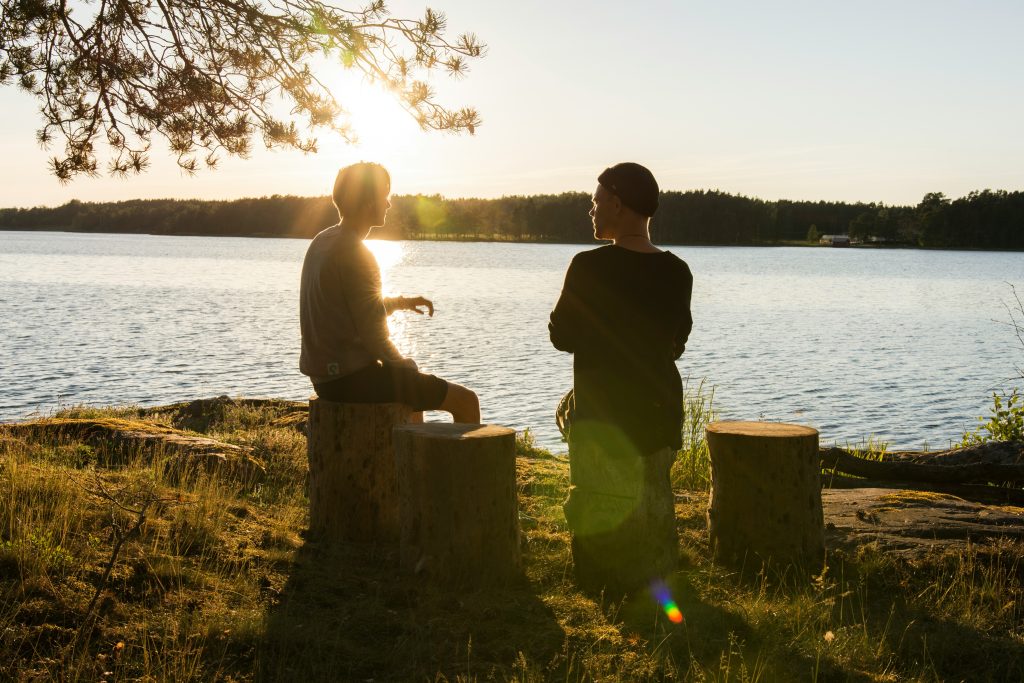
Here’s the key: knowing that we do not know. No one possesses the absolute Truth, and by engaging in dialogue with everyone we can grasp aspects or fragments of truth that help us reassemble a shattered vase that we can restore only if we are “together”.
 Economy & Work
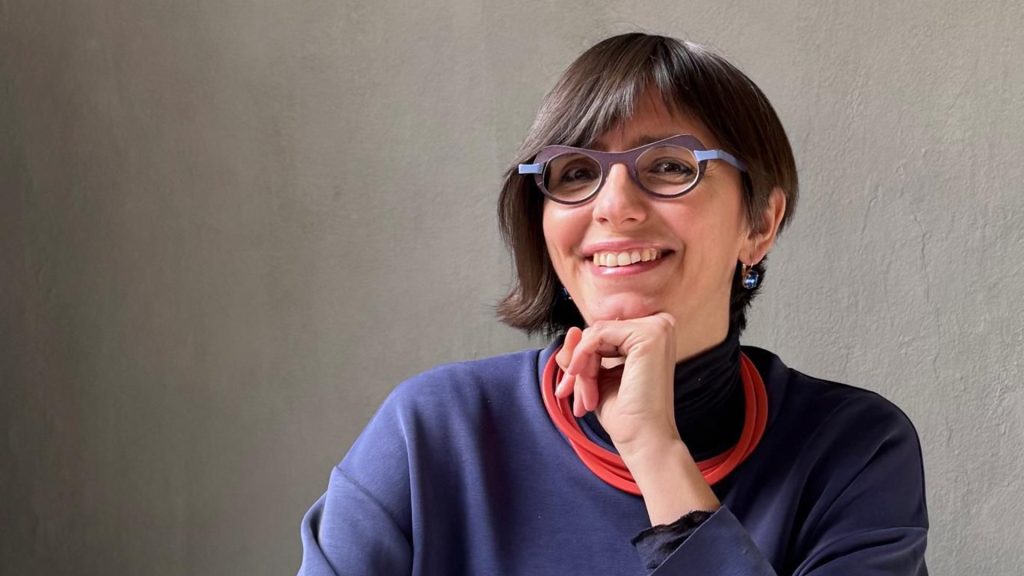
Anna Granata, professor at the University of Milano-Bicocca, reminds us that teaching peace is not an abstract utopia. It is something that happens every day in Italian classrooms among children with diverse stories, languages, and backgrounds.
 Art & Social Commitment
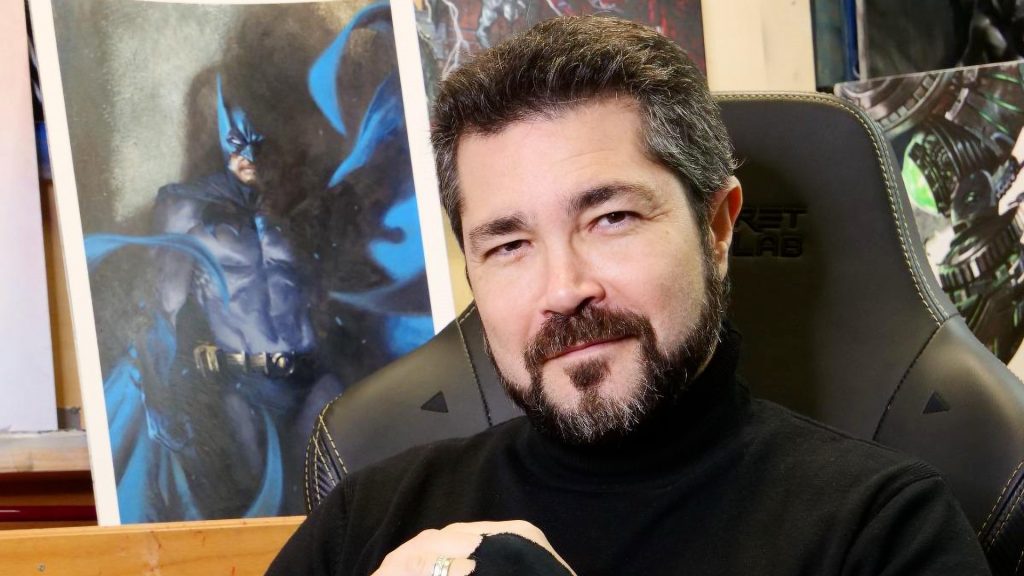
Celebrated Marvel and DC artist Gabriele Dell’Otto invites us to consider the people who are working to build peace as the real superheroes of our world. A profound discussion on responsibility, citizenship, and the challenge of doing the extraordinary in our everyday lives.