
 EN
EN
Peace & Human Rights


Stories from around the globe show how a united world is already in motion. This platform highlights experiences, initiatives, and projects from people and communities working for unity and peace. Explore what’s happening and get inspired.
<p><em>The Pukat Kaj initiative focused on theme of love (in action), peace and harmony. It was attended by hundreds of professionals, artists and faithful. The proceeds go to charity projects for the diocese of Agats-Asmat (Papua), focused on the education sector.</em></p> <p>"Love can be effective only when it is expressed in action, rather than remain just empty words. Regardless of the amount raised, this type of initiative is taken up with the aim of helping those in need" says Evy Tjahjono, introducing the traditional Christmas concert sponsored by Catholic entrepreneurs and professionals of the Archdiocese of Jakarta (Pukat Kaj). Since 1990 the event has been held on 21 occasions and this year focused on the themes of love, peace and harmony.</p>
<p><em>A school instituted out of love for the most deprived children of Ho Chi Minh City. The visit of Laura Mattarella, daughter of the President of the Italian Republic.</em></p> <p>It was not at all easy to delineate a social project from the start, as it occurred for <strong>the Pho Cap School in Ho Chi Minh City, Vietnam</strong>. A few days ago, this project was honoured by the private visit of Laura Mattarella, daughter of the Italian Republic’s President, who accompanied her father on an official visit to the country. Laura Mattarella who came to visit the 100 children of the school, was welcomed simply – without protocols – by some members of the Focolare Movement, the current heads and collaborators of the School.</p>
<p><strong>COP21: on eve of UN climate conference, Ban Ki-Moon says 'time for action is now!'</strong></p> <p>On the eve of the opening in Paris of the United Nations climate change conference, widely known as COP21, Secretary-General Ban Ki-moon is urging all countries and all sectors of society to act now to reach a new universal climate agreement.</p> <p>“I'm reasonably optimistic and convinced that world leaders will adopt a very ambitious universal climate change agreement at this COP21,” Mr. Ban told the UN News Centre in an interview on Sunday at the Parisian headquarters of the UN Educational, Scientific and Cultural Organization (UNESCO).</p>
<p><em>In Syria, the people want peace, and ask themselves who wants war and continues to supply weapons instead of food and medicine. Here is the testimony of someone who lives with the war and still hopes.</em></p> <p><strong>"While the mortar shells are falling near us, fear and worry assail us </strong>both for our lives and for the lives of those we know, Christians or Muslims, Syrians or foreigners: our common bond is our humanity, our being brothers and sisters. On the streets of Damascus we live and die together, without distinction.</p>
<p style="text-align: justify;"><em>"I wish one day people will remember Afghanistan not for war but for its standards of education"</em></p> <p style="text-align: justify;">Aqeela Asifi is an Afghan refugee living in Pakistan whose tireless efforts to help girl refugees access education have made her a true symbol of triumph over adversity. As well as offering displaced girls a pathway out of poverty, the school that Asifi created in Kot Chandana refugee village also gives pupils the opportunity to build a new future when they return to Afghanistan.</p>
<p style="text-align: justify;"><em>The first steps of Up2me, a global educational project that was requested by parents and youth leaders, to help children during their growing years; with support from Sophia University Institute.</em></p> <p style="text-align: justify;">The launching of this innovative project took place recently with the first <strong>“train the tutor course”</strong>. The course gathered a hundred people at the Focolare town of <a href="http://www.loppiano.it/" target="_blank">Loppiano</a>, Italy from a variety of fields: teachers, psychologists, medical doctors and youth directors from eight European countries, Brazil, Argentina, India, Burkina Faso and Cameroon.</p>
<p style="text-align: justify;"><em>The title and theme of the recent European Assembly for Religions and Peace couldn't have been more in harmony with the events Europe is facing today.</em></p> <p style="text-align: justify;"><strong>At a distance of eight years since the last European Assembly</strong>, held in Italy on that occasion as well, representatives from different faiths and religious traditions present in Europe met for several days (Castel Gandolfo, 28-31 October) to discuss about fear: fear of differences, fear of the other, and fear of foreigners, which are current sentiments today especially after the recent tragic events in Paris and that lead to Islam-phobia and Christian-phobia. In the face of such events we have to take the great opportunities that open out at continental level, especially for the young generations.</p>
<p style="text-align: justify;"><em>Condolences from the director of the Tevere Centre for Dialogue in Rome, Italy, Mustafa Cenap Aydin in the face of the Paris attacks: responding to the “inhuman” attacks by reinforcing a spirit of unity and brotherhood.</em></p> <p style="text-align: justify;"><strong><strong>“The tragic news</strong></strong> of the horrendous terrorist attacks in the French capital has filled us with profound sorrow. Our thoughts, solidarity and prayers go to the victims, the wounded and their families, to their loved ones and to the French people.” With these words of condolence, <strong><strong>Mustafa Cenap Aydin, director of the Tevere Centre for Dialogue in Rome</strong> </strong>expressed his dismay over recent terrorist attacks in France.</p>
<p style="text-align: justify;"><em>In Kinshasa (Democratic Republic of Congo) 2,000 children launched their cry for peace. Martine, one of the educators, tells us about it</em></p> <p style="text-align: justify;"><strong><em>“</em>Just try to imagine 2,000 kids rapping in unison: “Peace! Peace!” </strong><em>War is death, peace is love. </em>And to think that all this has been happening for decades in a country torn apart by armed conflicts, the victims of which are mostly children. Now you don’t need to dream – Martine recounts – because all this really happened last 7 November in Kinshasa in the Democratic Republic of Congo.”</p>
 Health, Sport & Ecology
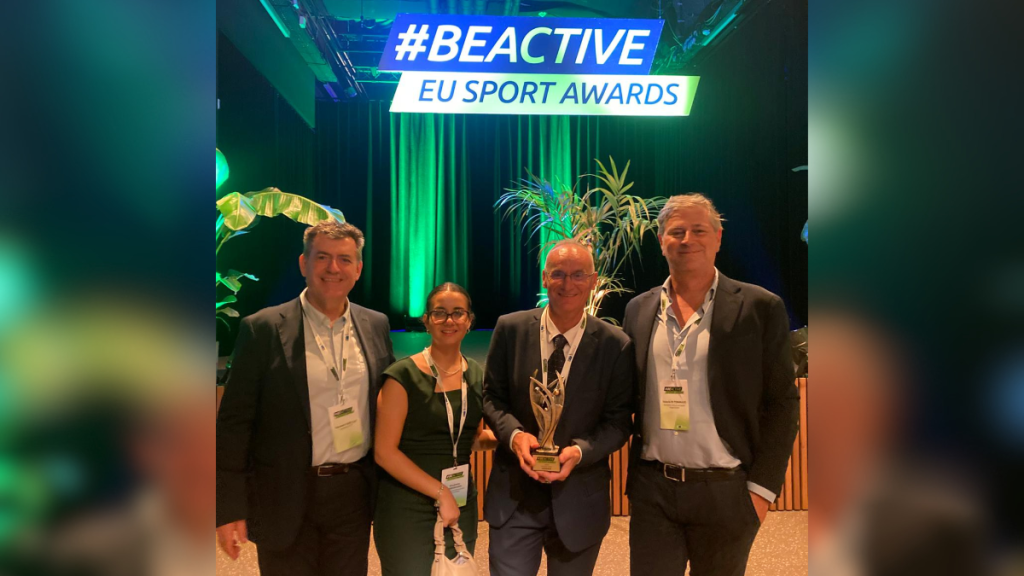
Run4Unity has received the prestigious BeActive EU Sport Awards from the European Union in the “sports and peace” category, recognising more than twenty years of work promoting fraternity, inclusion and a culture of peace through sports.
 Dialogue & Interculture
 Dialogue & Interculture
 Peace & Human Rights
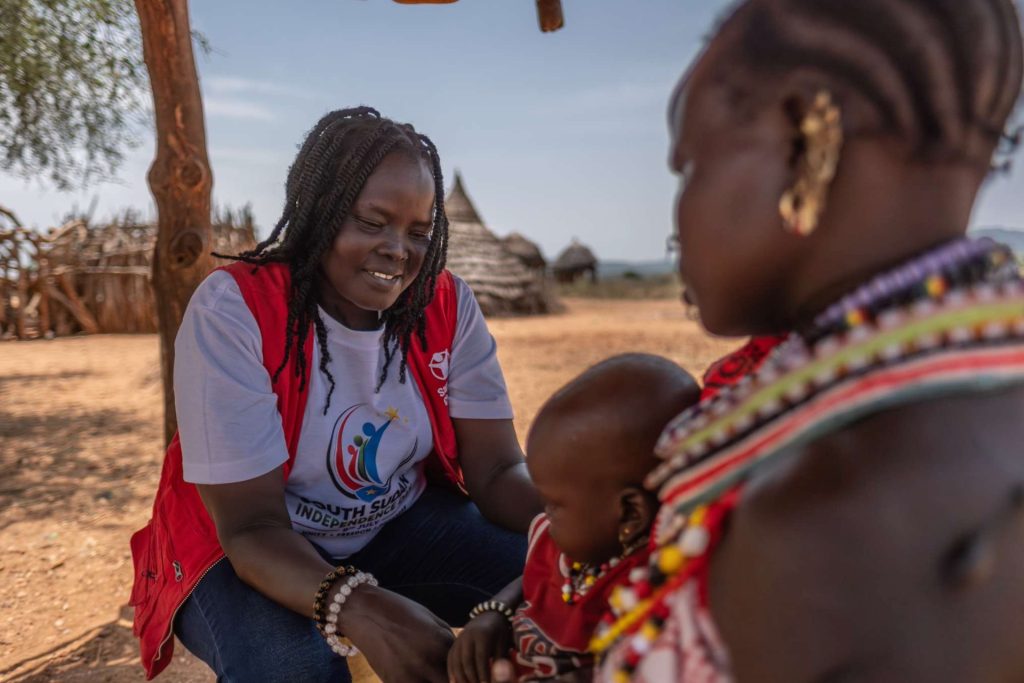
Elena Gentili of Save the Children Italy discusses humanitarian work in emergencies, advocacy, and the importance of education and social inclusion in ensuring children’s rights.
 Active Citizenship & Politics
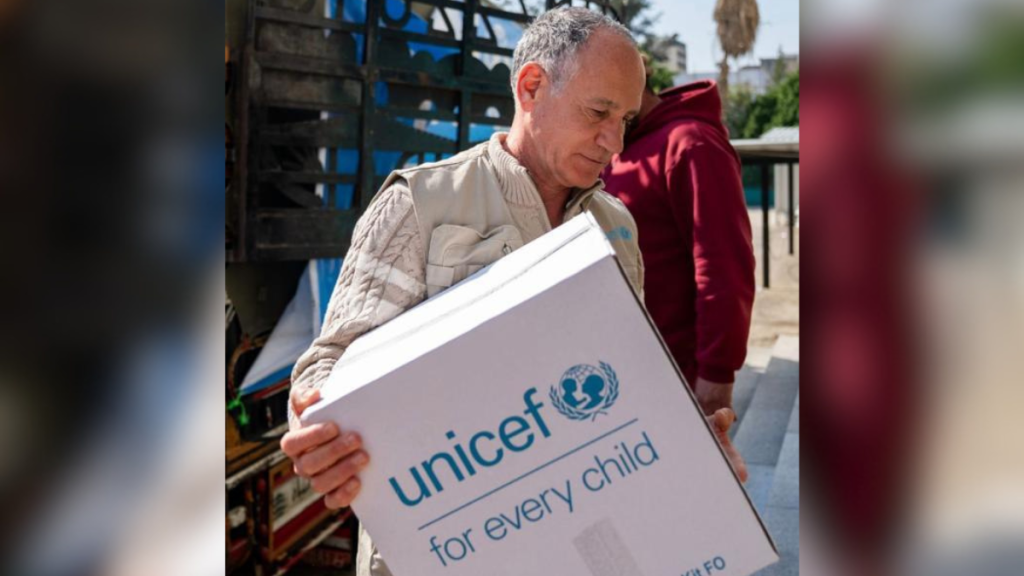
After thirty years spent in some of the world's most challenging environments, Marcoluigi Corsi, UNICEF Representative in Lebanon, reflects on child protection, hope and the humanity that endures even in the midst of war.
 Economy & Work
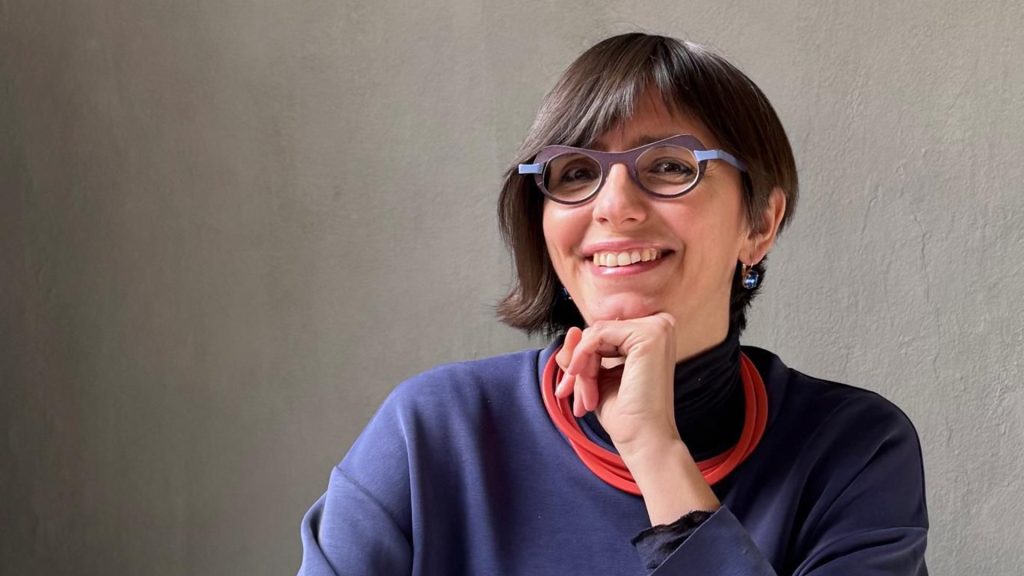
Anna Granata, professor at the University of Milano-Bicocca, reminds us that teaching peace is not an abstract utopia. It is something that happens every day in Italian classrooms among children with diverse stories, languages, and backgrounds.