Stories from around the globe show how a united world is already in motion. This platform highlights experiences, initiatives, and projects from people and communities working for unity and peace. Explore what’s happening and get inspired.
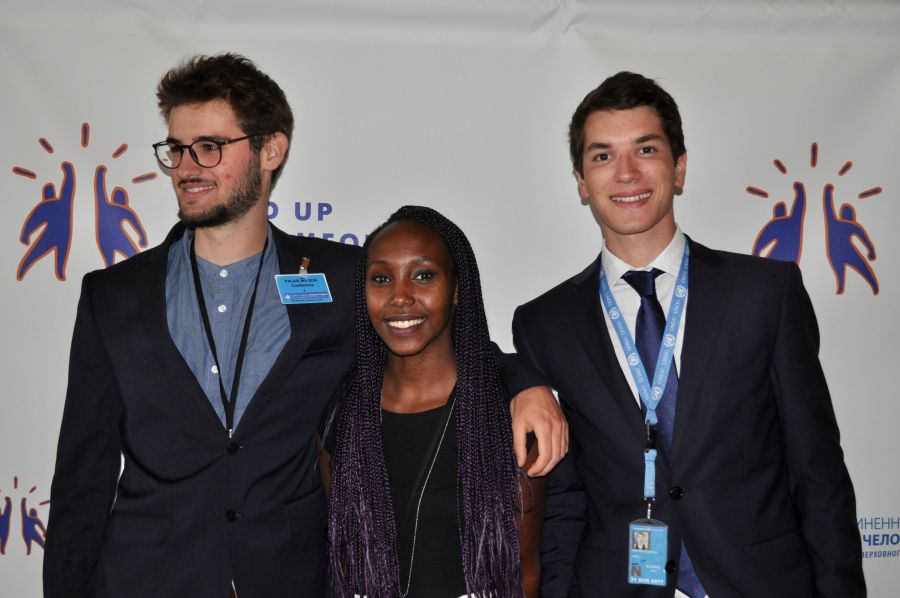
<address>Last Saturday, the United World Week was closed in Cordoba, Argentina, with the first event aimed at introducing the Dice of Peace, prior to the inauguration of the Monument of the Dice of Peace that will be erected in a central square of the city.</address> <p>Last Saturday the first activity to introduce the Dice of Peace was held, as part of a plan scheduled to be carried out in 6 peripheral and marginalized areas of Cordoba. Behind this initiative, carried out jointly by the Focolare Movement, the Youth for a United World, and the</p> <p>Office of the Ombudsman of the Rights of Children and Adolescents of the Province of Cordoba, there is the idea of introducing the Dice of Peace through theatre plays, songs, and games that would involve 6 to 12 year-old children who live in complex, stigmatized, and peripheral areas of the city of Cordoba.</p>
<p>The Project’s name is <em><strong><a href="http://www.besom.com/">The Besom</a></strong></em>. Yes, the broom made of twigs that you use in the garden to sweep away leaves or dirt. Only in this case, rather than leaves, "<strong>The Besom</strong>" is a Foundation that aims to wipe away pain and suffering. You can read on their Website:</p> <address>Poverty, isolation, abuse, ill health, injustice, homelessness: we all see the sharp inequalities of life around us and the devastating impacts they have on people’s lives. Many of us want to do something, to get involved but we don't always know how. The Besom exists to help you make a difference to the lives of others and to make it easy for you to do so.
<p>Some years ago, in the Province of Buenos Aires, the Focolare Movement created a Foundation that they called later on Civil Association “<strong><a href="http://www.asociacionnuevosol.org.ar/">Nuevo Sol</a></strong>” (New Sun). It includes three Community Centers located in vulnerable areas of the Province.</p> <p>These centers offer sports activities, such as soccer and hockey on grass (a highly developed sport in Argentina), recreational activities, workshops, as well as after-school support and health-care services. </p>
<p>I arrived late, when the class had already started, because I got a wrong exit on the highway. Not so bad, after all, because the dancers I had to interview were already engaged in their session of classical dance – a rehearsal of a beautiful choreography. I pleasantly waited, enjoying the figures and the plots, and took some pictures.</p> <p>The “Laboratorio Accademico Danza” (Academic Dance Workshop), under the artistic direction of Ms. Antonella Lombardo, is located in the Municipality of Massa-Cozzile, in the Nievole Valley, Province of Pistoia, Central Italy, harmoniously integrated in the facilities of a commercial area.<br />It was established in 1984 in the town of Monsummano Terme and, a few years ago, it found this setting made up of white and bright spaces, which smells of art and opportunities for self-expression. A place where you feel at home, right away. A school, but also an association, the Cultural Association “Dancelab Armonia”, which aims to "develop and disseminate the idea of possible harmony, both with reference to the individuals and the communities, and the use of Art as a crosswise tool to build Harmony among Peoples."</p>
<p><img src="images/2017/africasatview.jpg" alt="Africa" width="260" height="247" style="margin-right: 3px; float: left;" /><em>Youth</em> is a broad subject, that has sparked a lot of discussion, especially amongst youth movements worldwide (the Arab Spring, the « outraged » in Europe, and demonstrations against abuses perpetrated by African leaders, etc.). However, this article shall focus only on the role young people are supposed to play. </p> <p>As a matter of fact, young people have been considered as a marginalized category for a long time, but today they are being targeted. And this is happening not only because of the enormous potential they represent and the self-confidence they seem to have, but also because they are able to change the world for the better and, unfortunately, also for the worse. Experts believe that many young people try to enhance their potential, but do not always succeed. When opportunities are lacking, their ambition turns to frustration, which is then exploited by groups who are working to promote their own agenda such as politicians, extremists, drug cartels, armed groups, etc. Analysts believe that young people are vulnerable to indoctrination, especially because they lack experience and historically-conscious knowledge. </p>
<p><em><span style="background-color: transparent;"><img src="images/2017/PROFOR/d.jpg" alt="proforeng1" width="260" height="172" style="margin-right: 3px; float: left;" />What can possibly share a beautician-hairdresser and a farmer who produces organic products, or a pizza maker and an entrepreneur in the concrete sector? These are examples of start-up businesses that participated in Brazil in the "PROFOR" Project, i.e., the "Program for the Reinforcement of Inclusive Businesses of Communion", the first experience that AMU implemented in collaboration with ANPECOM (National Association for an Economy of Communion). See </span><a href="http://anpecom.com.br/" style="background-color: transparent;">http://anpecom.com.br/</a></em></p> <p>"We looked around, and noted that there are many people in vulnerable social situations," says Clézia Maria Pinto de Santana, the person in charge of ANPECOM projects. "Perhaps many of them had ideas and good will, but no adequate training to creating and running a business. This inspired us to try to support them, drawing on our experience."</p>
<p style="margin-bottom: 6pt;"><em style="background-color: transparent;"><img src="images/2017/Chile1.jpg" alt="Chile 1" width="260" height="195" style="margin-right: 3px; float: left;" />More than 12 years ago a group of young Chileans began to share experiences and concrete actions in several hostels in the city of Santiago. Today, thanks to a serious commitment, some stepped down in favour of "new entries," but the activity remains the same as the first day.</em></p> <p style="margin-bottom: 6pt;"><em style="background-color: transparent;"></em>Hostels, in Chile, are places where people who do not have any other possibility can spend the night. People who live there pay a small fee to have a bed and the use of a common bathroom. However, they are complex places where most people have complicated situations, past and present hardships, in the midst of thefts, sufferings, and confusions. A group of young people belonging to the <em>Young People for a United World</em>, more than 12 years ago decided to go there regularly, at the beginning, just to share some moments with them. Having a tea, eating some sandwiches, or sharing a juice with them. Often this was the pretext to have moments of dialogue and enter into the reality of these people who live a reality of suffering and abandonment in their own flesh. And reach out to them.</p>
<p><em>How much do we know about Islam and how much do we think we know? How does a Muslim woman live and how do we imagine her life? An interview with Abir, a young Italian Muslim woman of Moroccan origin.</em><br /><br />In the world there are many preconceptions about Muslim women. "They must have little freedom", "She is like a prisoner, she cannot express herself". "She is oppressed, there are many rules that she cannot change”. "I wonder what number of wife she is and what will she do with her life, because with her clothes I cannot get an idea of her." "We do not know their culture and they are stigmatized by news of wars and conflicts." All these sentences were spoken by Western people. How much of this is true?</p>
Sharing stories inspires change, connects communities and shows the strength of collective action
Add your voice by sharing your story, initiative, or project. After review, it could be featured on our global platform to inspire change far beyond your community.
More than 170 events across dozens of countries brought United World Week 2026 to life through initiatives, meetings, and concrete actions dedicated to peace, fraternity, and the building of a more united world.
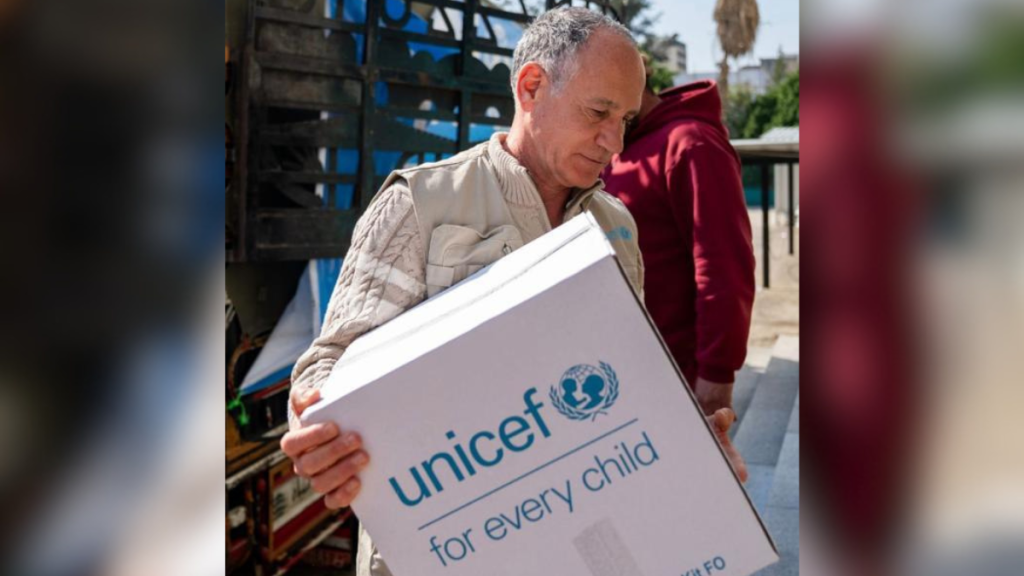
After thirty years spent in some of the world's most challenging environments, Marcoluigi Corsi, UNICEF Representative in Lebanon, reflects on child protection, hope and the humanity that endures even in the midst of war.
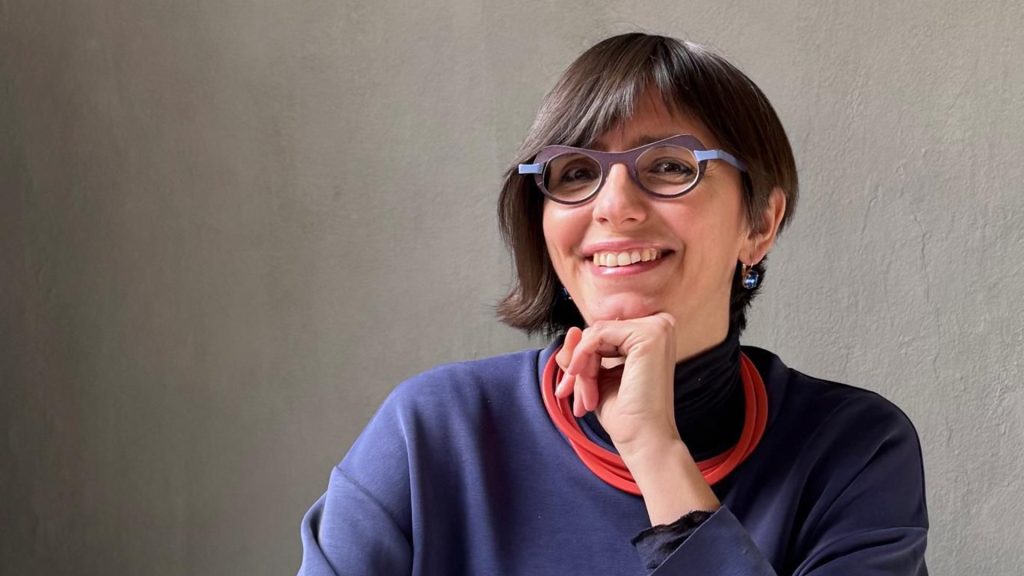
Stefano Zaffino, author of Fraternità e Profezia (Fraternity and Prophecy): The Thought of Igino Giordani in the Wake of the Encyclical Fratelli tutti, reflects on fraternity as a response to the conflicts and divisions of the contemporary world.
Anna Granata, professor at the University of Milano-Bicocca, reminds us that teaching peace is not an abstract utopia. It is something that happens every day in Italian classrooms among children with diverse stories, languages, and backgrounds.