
 EN
EN
Peace & Human Rights


Stories from around the globe show how a united world is already in motion. This platform highlights experiences, initiatives, and projects from people and communities working for unity and peace. Explore what’s happening and get inspired.


<p><em>If several African countries are known because of civil wars, extreme poverty, dictatorship, and corruption, Botswana can be considered an exception in the continent. </em><em>In fact, it is a landlocked country in Southern Africa, mostly desert, rich in diamond resources, sparsely populated – only around two million inhabitants.<br /></em></p> <p>Economically speaking, it is one of the few African countries which has experienced one of the greatest growth in the world since the 1960s, out of the exploitation of its very rich <strong>diamond resources</strong>, but also thanks to the good management implemented by its leaders since independence. As to economic growth, for example, while the rest of Africa experienced an average negative economic growth rate of -0.3% over the period 1965 to 1998, Botswana recorded an average 7.7% growth rate over the same period. Such performance was, at the time, higher than the one of the ‘Asian tigers’ - which performed miracles of economic growth during the last quarter century. In this perspective, <strong>this country of reference for Africa multiplied by 11 the standard of living of its citizens between 1960 and 2007 according to the 2008 World Bank Report</strong>.
<p><em>Today, at the Polo Lionello Bonfanti, in the Burchio neighbourhood, Municipality of Incisa Valdarno, Province of Florence, Italy, the official inauguration of a multimedia exhibition of social, civil, and communion economy - "SCiC" – will take place.</em></p> <p>There is also a <strong><a href="https://www.facebook.com/events/1812800599039553/">SCiC economy</a></strong>. No, it is not a typing error, we just wrote well. It is about the <em>s</em>ocial, <em>c</em>ivil, and <em>c</em>ommunion economy on exhibition at the <strong><a href="http://www.pololionellobonfanti.it/">Polo Lionello Bonfanti</a></strong> from today.</p>
<address>Last Saturday, the United World Week was closed in Cordoba, Argentina, with the first event aimed at introducing the Dice of Peace, prior to the inauguration of the Monument of the Dice of Peace that will be erected in a central square of the city.</address> <p>Last Saturday the first activity to introduce the Dice of Peace was held, as part of a plan scheduled to be carried out in 6 peripheral and marginalized areas of Cordoba. Behind this initiative, carried out jointly by the Focolare Movement, the Youth for a United World, and the</p> <p>Office of the Ombudsman of the Rights of Children and Adolescents of the Province of Cordoba, there is the idea of introducing the Dice of Peace through theatre plays, songs, and games that would involve 6 to 12 year-old children who live in complex, stigmatized, and peripheral areas of the city of Cordoba.</p>
<p>The Project’s name is <em><strong><a href="http://www.besom.com/">The Besom</a></strong></em>. Yes, the broom made of twigs that you use in the garden to sweep away leaves or dirt. Only in this case, rather than leaves, "<strong>The Besom</strong>" is a Foundation that aims to wipe away pain and suffering. You can read on their Website:</p> <address>Poverty, isolation, abuse, ill health, injustice, homelessness: we all see the sharp inequalities of life around us and the devastating impacts they have on people’s lives. Many of us want to do something, to get involved but we don't always know how. The Besom exists to help you make a difference to the lives of others and to make it easy for you to do so.
 Health, Sport & Ecology
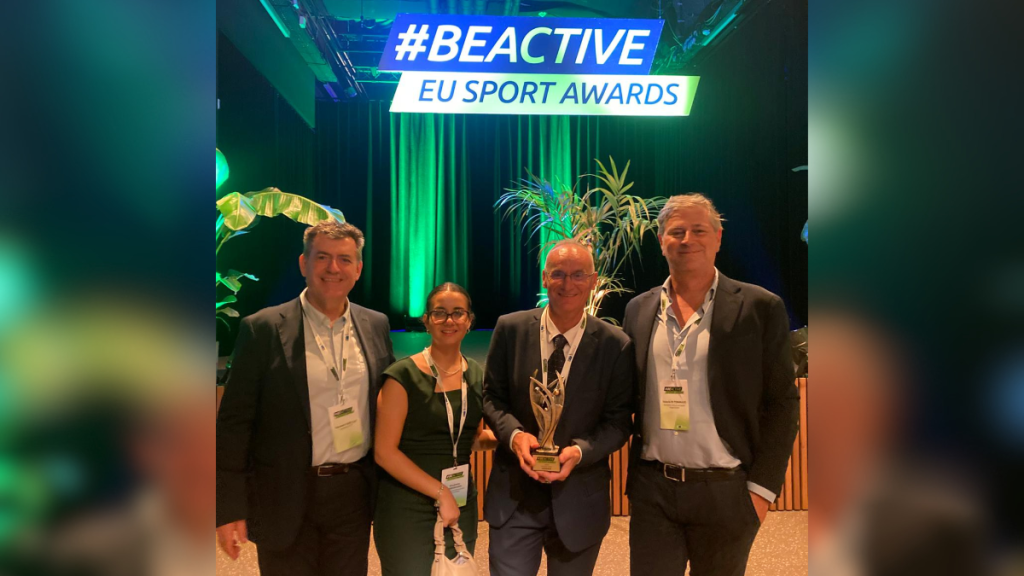
Run4Unity has received the prestigious BeActive EU Sport Awards from the European Union in the “sports and peace” category, recognising more than twenty years of work promoting fraternity, inclusion and a culture of peace through sports.
 Dialogue & Interculture
 Dialogue & Interculture
 Peace & Human Rights
Elena Gentili of Save the Children Italy discusses humanitarian work in emergencies, advocacy, and the importance of education and social inclusion in ensuring children’s rights.
 Active Citizenship & Politics
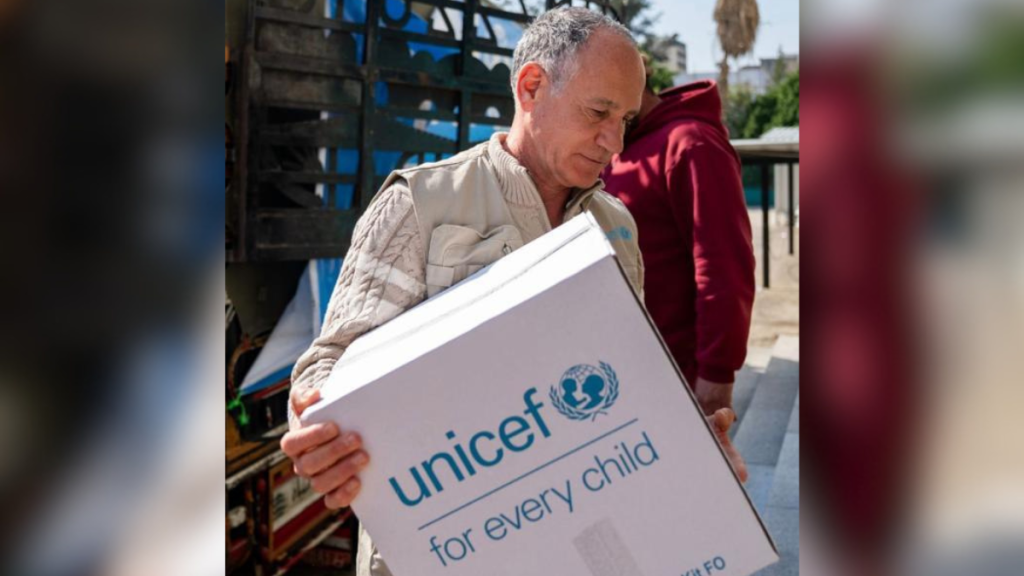
After thirty years spent in some of the world's most challenging environments, Marcoluigi Corsi, UNICEF Representative in Lebanon, reflects on child protection, hope and the humanity that endures even in the midst of war.
 Economy & Work
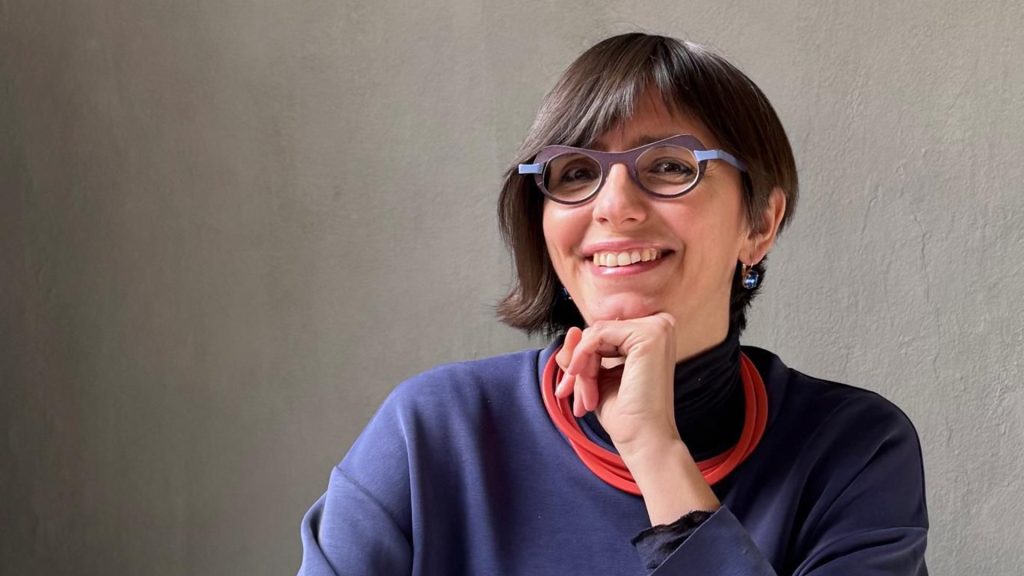
Anna Granata, professor at the University of Milano-Bicocca, reminds us that teaching peace is not an abstract utopia. It is something that happens every day in Italian classrooms among children with diverse stories, languages, and backgrounds.