

 EN
EN
Dialogue & Interculture
United World Week

Stories from around the globe show how a united world is already in motion. This platform highlights experiences, initiatives, and projects from people and communities working for unity and peace. Explore what’s happening and get inspired.
<h1>News from the last European council...</h1> <p>Agenda highlights<br />The European Council focus on two main issues:</p> <h2>United Kingdom</h2> <p>Following the discussion at the December 2015 European Council on the UK plans for an (in/out) referendum, the European Council agreed to find mutually satisfactory solutions in four areas of concern at its February meeting:</p> <ul> <li>competitiveness</li> <li>economic governance</li> <li>sovereignty</li> <li>social benefits and free movement</li> </ul>
<p><em>The last months of 2015 will go down in the history of Paraguay as the epoch in which the youth revived its leading and ongoing role in civic actions. The story of the Focolare youth’s commitment.</em></p> <p><strong></strong><strong>Thousands of university students have denounced the rampaging corruption in the country’s main state university</strong>, the Università Nazionale of Asunción (UNA). A long austere spring ended with chain resignations of the academic authorities, and negotiations on the reforms of a statute drafted during the dictatorship.</p> <p><strong>The university youth surprised </strong><strong>everyone with their seriousness and organisation</strong><strong>.</strong> In the month in which the campus was occupied, they created a true and proper “alternative State.”</p>
<p><em>During the Year of Mercy, the commitment of a focolarino and 30 volunteers from the Sempre Persona (Always a Person) project at the Rebibbia Prison on the outskirts of Rome, Italy. It all began with a request for forgiveness.</em></p> <p><strong>“I was still a child</strong>,” <strong>Alfonso from the class of 1945 recounts, “when my father was unjustly imprisoned.</strong> My mother and I would visit him in prison and, at such a tender age I realised how lonely the inmates were: people without hope or future – and without dignity. So, I promised myself that one day I would do something for them.”</p> <p><strong>Alfonso had to wait for that chance.</strong> He enrolled in a course on volunteering and obtained permission to make visits to Rebibbia Prison, which currently has 1,700 inmates. They are serving time for the most varied crimes: drug dealing, sex abuse, mafia activity, extortion, murder, and more. Alfonso was aware that his efforts would be limited by the distrust of the inmates who belived they had lost any chance at redemption. In fact, many of them refused to let him approach. But he never gave up because he was convinced they were the image of the God he had chosen when he became a focolarino.</p>
<p><em>A visit to “the Voice School of English” in Malta: one of the very first EoC businesses distinguishes itself by giving priority to the relationship with students<em></em></em></p> <p>Coming down from the bus we immediately spot ““The Voice School of English”, situated in Pembroke, a few metres away the sea. The modern and spacious Malta National Sports School houses the Voice during the summer months. Andy, who co-ordinates the students’ visit to Malta, greets us with a big smile. She does not only know all the students by name, as actually all the teachers do, but she makes it a point to see that they receive the care and attention needed, while she works very closely even with the host families to ensure the comfort and well-being of each student.</p>
<p>With the US and Russia leading the way the international partners along with the Syrians and groups opposed to President Bashar al-Assad, meeting in Munich, have announced a cessation of hostilities in Syria within a week, the first in five years of civil war. The intention is to fully implement the existing UN resolution on Syria.</p> <p>It has a dual purpose; to allow UN-monitored humanitarian aid to all areas cut off and under siege, and to give time for a full resumption of stalled Geneva peace talks.</p> <p>John Kerry said the plight of ordinary Syrians had driven the talks.</p>
<p>On the eve of scheduled intra-Syrian talks in Geneva to seek an end to five years of internecine fighting, the top United Nations official for the war-torn country took to the airwaves today to speak directly to the Syrian people, vowing that the world Organization will never abandon them.</p> <p>“My message today is meant to reach every single man, woman, child of Syria, inside Syria and outside, in the refugee camps, or wherever you are,” Special UN Envoy for Syria Staffan de Mistura said in a video recording.</p>
<p><em>The Focolare Movement in Mumbai has been reaching out to its local communities for over two decades, inspiring hope and change in the lives of underprivileged families, especially children and youth.</em></p> <p><strong></strong><strong>“One can either walk away from the problems in another’s life or embrace the challenge head on.</strong> For a Movement that has chosen the suffering face of Jesus on the Cross, it is only natural that the Focolare in Mumbai chose to welcome the challenges among its communities with love and dedication,” writes Annabel, a young journalist, member of the Focolare in Mumbai. Santacruz Project and Udisha have come to symbolize the Movement’s strong commitment to social justice, universal fraternity and, above all, love for Jesus in the other in this city.</p>
<p>The common perception of the physically disabled throughout Mexico was that they are incapable of being productive members of society. Unable to work or provide for their families, they face discrimination, must be taken care of, and are kept at home.</p> <p>But an organization called Autonomy, Liberation Through Movement (ALEM) is working to change all that. Founded in 2007, ALEM provides vocational training, encouraging and empowering people with motor disabilities to find meaningful employment. In addition, the group is providing a service that was sorely needed throughout central Mexico: wheelchair repair.</p>
<p><em>In Lugano, a conference entitled “Economics, Health and Happiness” organized by Supsi, Heirs and the Swiss School of Public Health. We talk about it with Luca Crivelli, director of the Department for Corporate, Health and Social Economics of SUPSI.</em></p> <p>An international academic conference, one of a kind, gathered 150 scholars from 4 continents last week in Lugano to discuss a topic - economics, health, happiness - which attracted a wide variety of researchers and gave the event an interdisciplinary nature that's rarely present in this kind of conference. Economists, psychologists, sociologists and physicians, each with the typical approach of their discipline, exchanged their ideas for two and a half days on the relationship between economics, individual and collective health and welfare, presenting works of great variety, in a real kaleidoscope of topics. There were 33 parallel sessions held in which every paper, previously read by a discussant, was thoroughly commented.</p>
 Dialogue & Interculture
United World Week
Dialogue & Interculture
United World Week
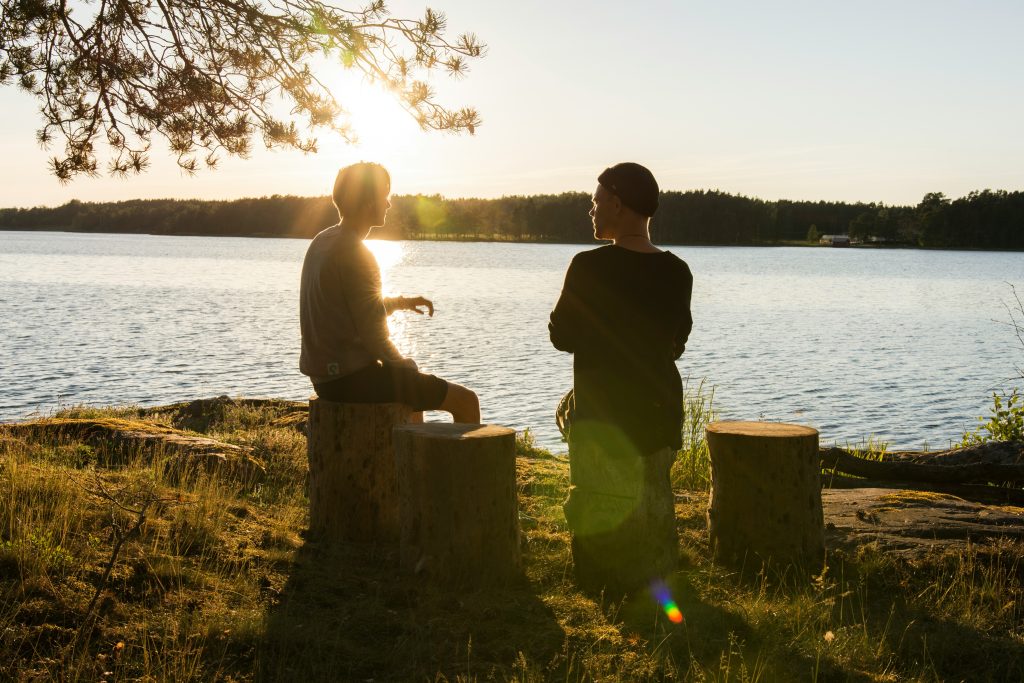
United World Project launches #ChooseToDialogue, a global invitation as part of United World Week 2026. A proposal to build spaces for encounter and share stories of impact through a powerful and necessary tool: dialogue.
 Dialogue & Interculture
 Economy & Work
 Dialogue & Interculture
United World Week
Dialogue & Interculture
United World Week
Here’s the key: knowing that we do not know. No one possesses the absolute Truth, and by engaging in dialogue with everyone we can grasp aspects or fragments of truth that help us reassemble a shattered vase that we can restore only if we are “together”.
 Economy & Work
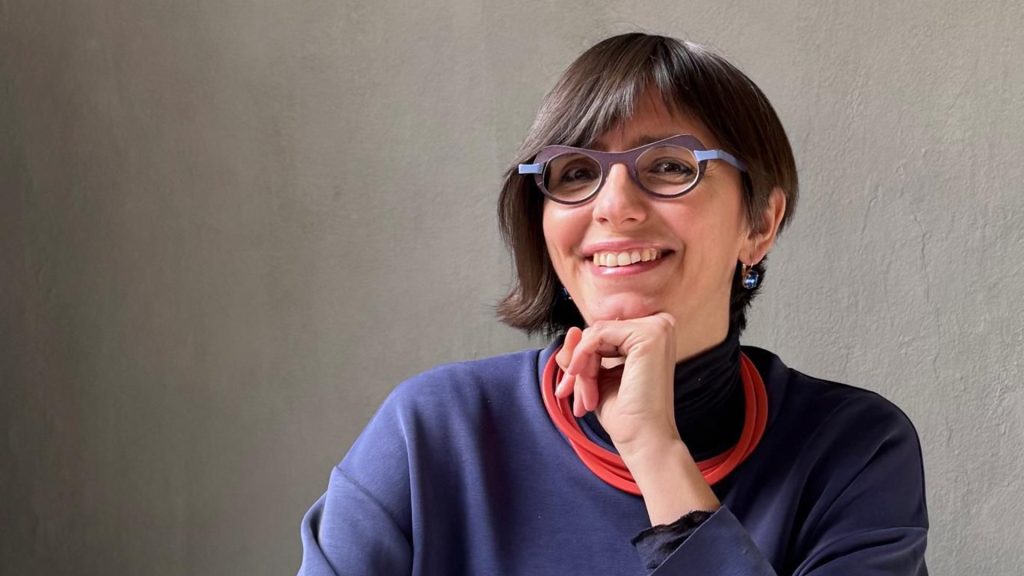
Anna Granata, professor at the University of Milano-Bicocca, reminds us that teaching peace is not an abstract utopia. It is something that happens every day in Italian classrooms among children with diverse stories, languages, and backgrounds.
 Art & Social Commitment
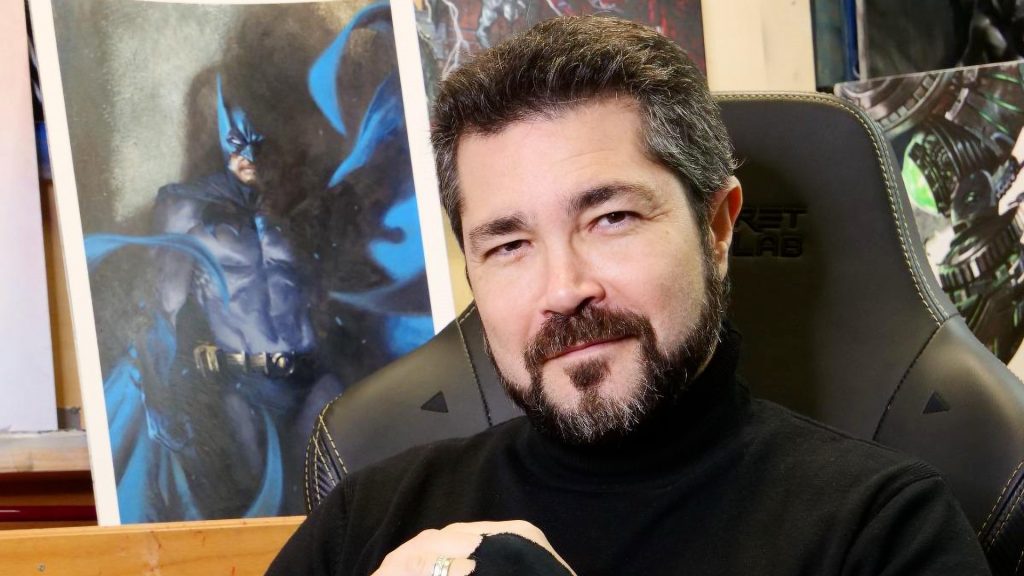
Celebrated Marvel and DC artist Gabriele Dell’Otto invites us to consider the people who are working to build peace as the real superheroes of our world. A profound discussion on responsibility, citizenship, and the challenge of doing the extraordinary in our everyday lives.