
 EN
EN
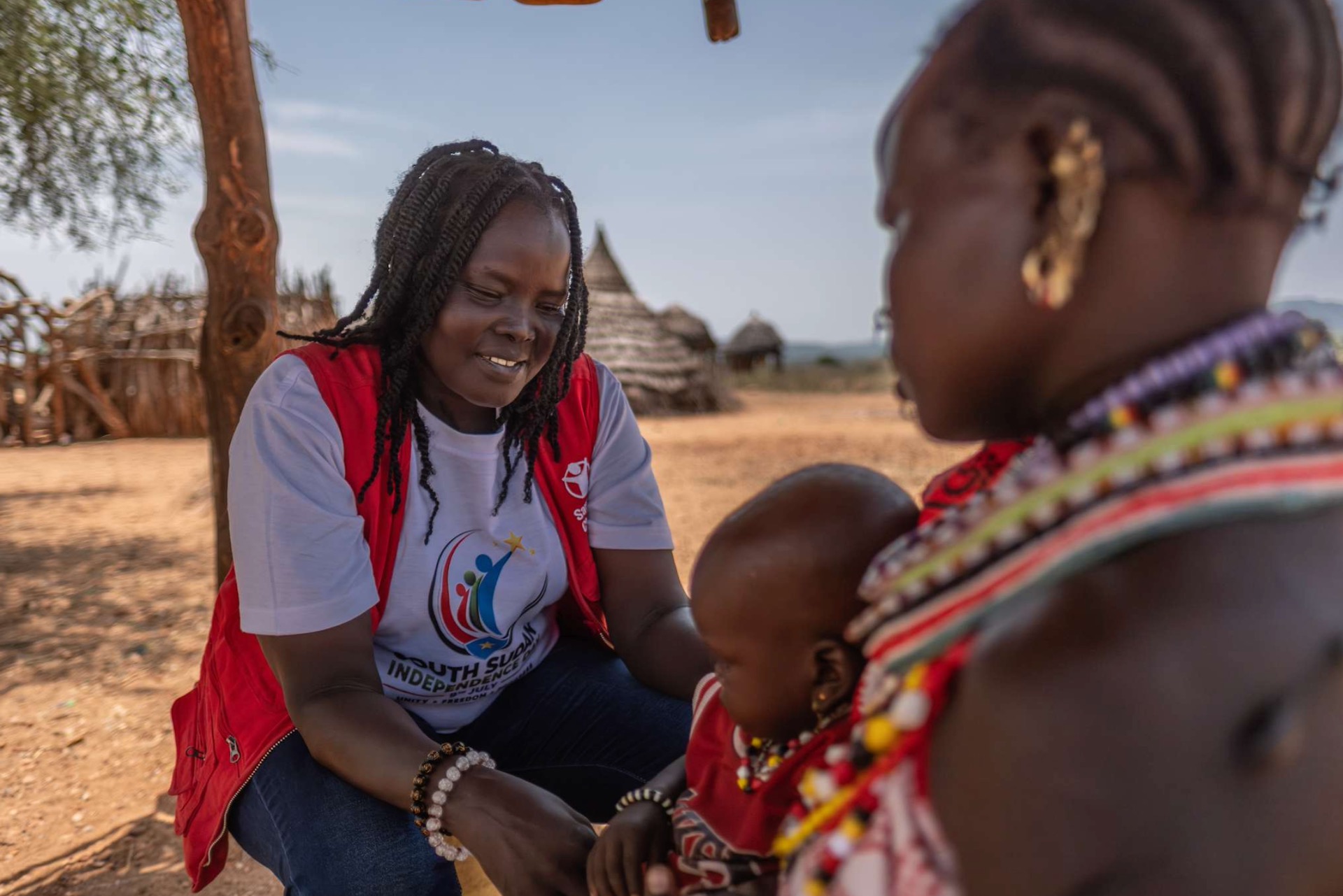
Peace & Human Rights


Stories from around the globe show how a united world is already in motion. This platform highlights experiences, initiatives, and projects from people and communities working for unity and peace. Explore what’s happening and get inspired.
<p><em>A step towards equity and social justice in Ecuador</em></p> <p><img style="margin-right: 5px; float: left;" src="http://www.mppu.org/images/news/2013-2015/Quito_montage_794x488.png" height="150" />Hundreds of people participated in the national dialogue for peace and social justice conventions held in Ecuador, including invited guests: opposition and civil society. President Rafael Correa gathered proposals for a more equal distribution of wealth after the occurrence of protest and controversies last June.</p>
<p><em>In Mauritania, a Congolese mother is helping refugees to reconnect by teaching IT, 17 years after her own displacement. Written by Helena Pes</em></p> <p><img style="margin-right: 5px; float: left;" src="http://tracks.unhcr.org/wp-content/uploads/2015/07/07222015_Featured_RefugeesConnecting.jpg" height="150" />The city of Nouakchott, Mauritania, is no stranger to refugees. Around 1,500 people who have fled some of Africa’s bloodiest conflicts now call it home. One of them, Budiaki*, is sitting in a computer room at a bustling Women’s Centre when I arrive, using her own experiences of life on the run to help women just like her.</p>
<p><em>Experience by George and Lara, from Lebanon</em></p> <p><strong><img style="margin-right: 5px; float: left;" src="http://farm1.static.flickr.com/61/193869197_40092b8e93.jpg" height="150" />LARA:</strong></p> <p>We are George and Lara and we come from Lebanon. We thank you for this opportunity to speak.</p> <p>As you know, the Middle East is living one of the worst pages of the history of mankind. In front of such horror, the outstanding example of people sentenced to death because they refuse to renounce their religion, they pray for their persecutors and they forgive these massacres before their death, as it was for the twenty-one Copts killed in Libya during the events of last February; that challenges us deeply, both Christians and Muslims living in these countries. It reminds us of the greatness of love, forgiveness, which one day will change the face of the Earth.</p>
<p><em>Mario Bruni, sindaco di Alghero, in Sardegna, Italia, racconta come hanno affrontato il necessario sgombero di un campo, cercando insieme ai Rom la migliore soluzione #politics4unity</em></p> <p><strong>Il campo, da alcuni anni doveva essere sgomberato</strong> per seri motivi sanitari e ambientali, ma non era lavoro semplice, dato che lì abitava una comunità di trenta famiglie. Mario Bruni, sindaco di Alghero, ha deciso di farlo, nell’attenzione di coinvolgere le stesse famiglie rom nella scelta del luogo dove trasferirsi.</p> <p><strong>Ad Alghero ci sono tanti disoccupati</strong> e c’è anche tanta gente in lista di attesa per avere una casa. Quindi, come diceva il sindaco, può essere difficile far capire ai cittadini «che ci sono finanziamenti ad hoc, che dobbiamo tutti avere a cuore l’inclusione sociale e a volte prendere anche delle decisioni che sono impopolari, che a volte non si capiscono».</p>
<p><em>The steps of the long history until the beginning of the thawing</em></p> <p>In January, 1959, when Fidel Castro led a guerrilla army to drive dictator Fulgencio Batista out of Havana, the United States was not over alarmed that it would have much impact. But relations swiftly soured as the Cuban communists expropriated companies; 1961 ushered in an ideological ice age.</p>
<p><em>Experience of Metta about interreligious dialogue and with the authorities</em></p> <p>I am Metta from Thailand. I am Buddhist. In 1993, I met the youth group of the Focolare Movement called “Gen” in Bangkok. The Idea that those young people promoted and shared to me was very attractive. I was invited to build peace and unity to fulfill Jesus’ final testament: “May they all be one”, right there in the environment where I live, through loving which is essential in the Spirituality of Unity.</p>
<p><em>72 countries have achieved the Millennium Development target of halving proportion of the chronically undernourished.</em></p> <p>The number of hungry people in the world has dropped to 795 million -- 216 million fewer than in 1990-92 -- or around one person out of every nine, according to the latest edition of the annual UN hunger report (<a href="http://www.fao.org/hunger/en/">The State of Food Insecurity in the World 2015 – SOFI</a>).</p>
<p><em>In Loppiano, the 7th summer course aimed at strengthening relationships of married couples</em></p> <p><strong></strong><strong>Lack of communication and the incapacity to comprehend the other,</strong> see the positive side of the other person’s diversity, and establish the right distance with the families of origin, are often the causes of the crises, in an individualistic society that does not believe in marriage and the commitment for a long-lasting relationship.</p> <p>The 7<sup>th</sup> edition of the course in Loppiano this year (20-27 June) was organized by the New Families and aimed to strengthen the unity of couples. The course allowed participants to demonstrate willingness to put themselves to the test, together with a deep sharing with the course guides and other families, and avail of the advice of experts that could help dead-end relationships to start anew. With these factors, also the greatest difficulties could be overcome, as was demonstrated by the moving testimonial of unconditional forgiveness<strong> by </strong>a<strong> couple that was reunited after nine years of separation.</strong></p>
<p><em>Experience of Anita Martinez, a young Argentinian</em></p> <p>By the end of 2012 I had an awful experience. I was in a friend’s house with all his family and suddenly three armed and violent men entered their house to rob. They beat us and put us all lying down in the ground of his parents’ room. Then, they started interrogating us and shouting us “where is the money?” with guns in our heads… The father of my friend started saying to one of the thieves that he forgave him, but that was not the way he was supposed to act. The man was getting angry and we were afraid he would do something awful to my friend’s father. Surprisingly, the thief started crying and saying sorry.
 Health, Sport & Ecology
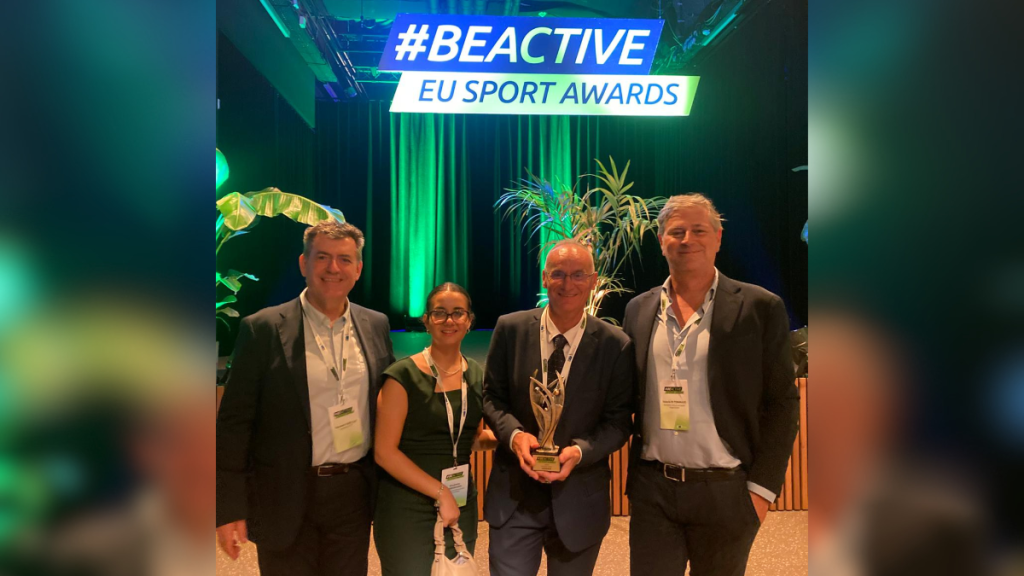
Run4Unity has received the prestigious BeActive EU Sport Awards from the European Union in the “sports and peace” category, recognising more than twenty years of work promoting fraternity, inclusion and a culture of peace through sports.
 Dialogue & Interculture
 Dialogue & Interculture
 Peace & Human Rights
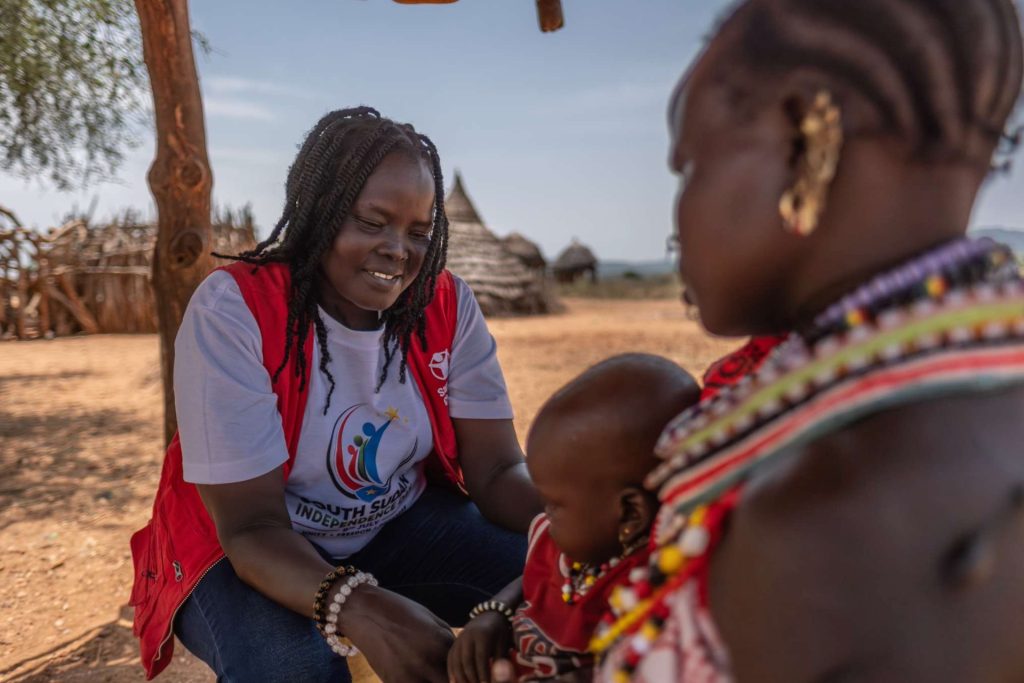
Elena Gentili of Save the Children Italy discusses humanitarian work in emergencies, advocacy, and the importance of education and social inclusion in ensuring children’s rights.
 Active Citizenship & Politics
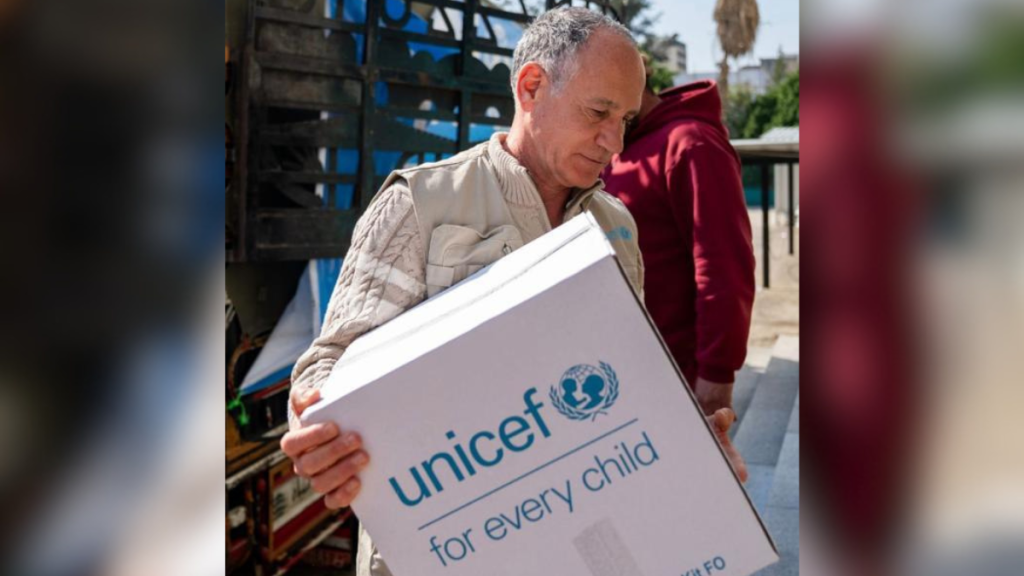
After thirty years spent in some of the world's most challenging environments, Marcoluigi Corsi, UNICEF Representative in Lebanon, reflects on child protection, hope and the humanity that endures even in the midst of war.
 Economy & Work
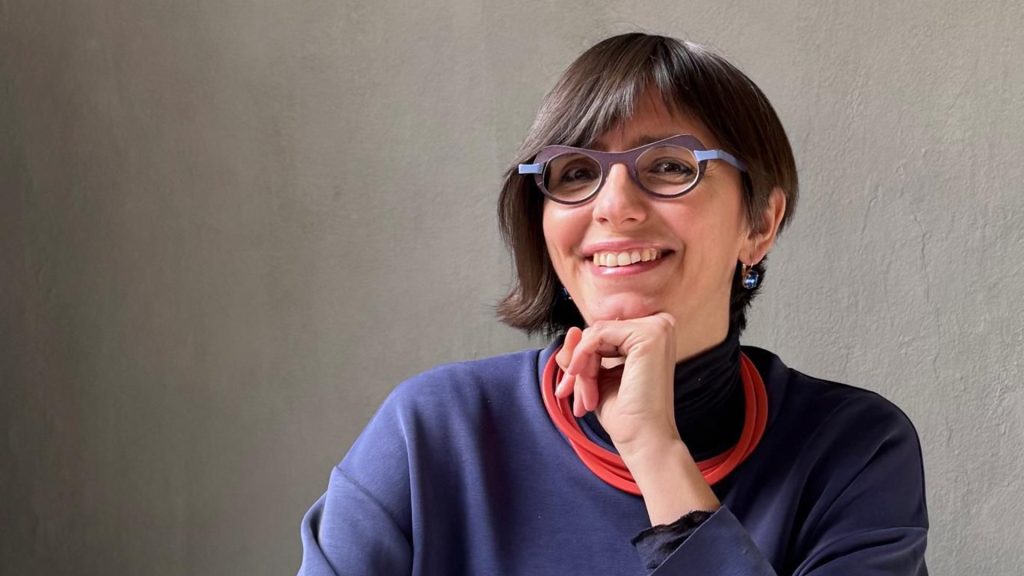
Anna Granata, professor at the University of Milano-Bicocca, reminds us that teaching peace is not an abstract utopia. It is something that happens every day in Italian classrooms among children with diverse stories, languages, and backgrounds.